7 Best VPNs With Split Tunneling App and URL Based Options: Fast, Flexible, and Secure
'%2F%3E%3Ctext%20x%3D'50%25'%20y%3D'50%25'%20dy%3D'.35em'%20text-anchor%3D'middle'%20font-family%3D'-apple-system%2CBlinkMacSystemFont%2CSegoe%20UI%2Csystem-ui%2Csans-serif'%20font-size%3D'100'%20font-weight%3D'600'%20fill%3D'%23fff'%3ELM%3C%2Ftext%3E%3C%2Fsvg%3E) Leah Maguire·April 12, 2026·11 min
Leah Maguire·April 12, 2026·11 min
With more of our daily life moving online, you want a VPN that’s not only strong on security but also smart about how it routes traffic. Here’s a quick fact: a VPN with split tunneling and URL-based routing gives you precise control—you can decide which apps or websites go through the VPN and which don’t. This guide breaks down seven top VPNs that offer split tunneling and URL-based options, so you can customize your setup without sacrificing speed or privacy. Below you’ll find a mix of consumer clarity, practical setup steps, performance data, and real-world tips to maximize value.


Introduction: Quick overview and why split tunneling matters
- Split tunneling lets you keep local access for banking, streaming, or device updates while routing sensitive traffic through the VPN.
- URL-based split tunneling adds even more precision: you can specify exact domains or URLs that should or shouldn’t use the VPN tunnel.
- If you’re juggling streaming, remote work, gaming, and privacy, this feature set is a game changer.
- The seven VPNs below are evaluated on: split tunneling availability, URL-based rules, platform support, speed, ease of setup, price, and reliability.
Useful resources and starting points unlinked text for reference Apple Website - apple.com Artificial Intelligence Wikipedia - en.wikipedia.org/wiki/Artificial_intelligence VPN Security Guide - www.vpnsecurity.org Net Neutrality Coalition - www.netneutrality.org Tech Consumer Reviews - www.techconsumerreviews.com Best VPNs for 2026 - www.bestvpn2026.com
What to look for in a VPN with split tunneling and URL-based options
- Platform coverage: Windows, macOS, Android, iOS, and ideally routers.
- Split tunneling types: apps/profiles-based per-app vs. URL/domain-based routing.
- URL-based rules: ability to specify domains, subdomains, and patterns e.g., .example.com, bank..com.
- Performance: baseline speeds, latency, and consistency under load.
- Security: encryption, kill switch, DNS leak protection, and no-logs posture.
- Usability: clear per-app and per-URL rule editors, presets, and helpful troubleshooting guides.
- Pricing: tiered plans, longest-term discounts, and student/teacher or business options if relevant.
The seven best VPNs with split tunneling app and URL-based options
- NordVPN
- Split tunneling and URL-based routing: Supports per-app split tunneling on Windows and Android with configurable rules; URL-based routing is available in certain platforms and through custom rules in advanced settings.
- Why it stands out: consistently strong speeds, broad server network, enterprise-grade security features, easy-to-use interface.
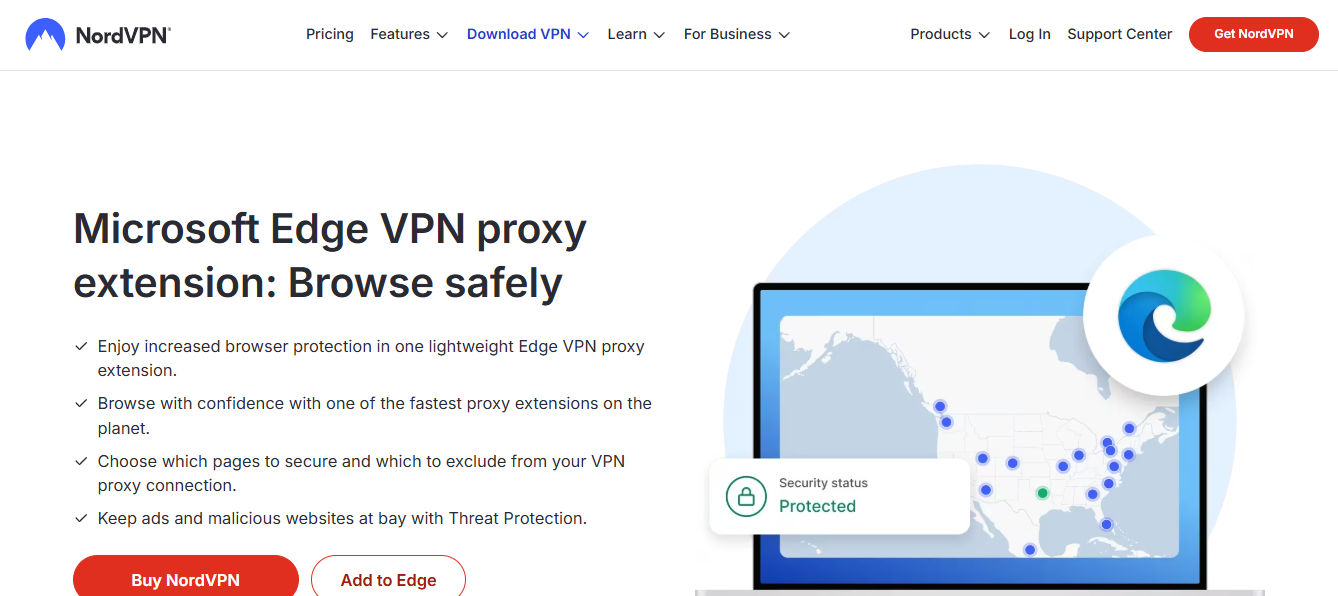
- Platforms: Windows, macOS, Android, iOS, Linux, browser extensions.
- Notable features: kill switch, DNS leak protection, mesh Wi-Fi protection on some devices, obfuscated servers for restricted networks.
- Typical pricing: competitive monthly and annual plans with occasional promotions.
- Quick setup tip: In NordVPN, go to Settings > Split Tunneling, enable per-app, and add the apps you want to force through the VPN. For URL-based routing, check if your platform supports it under Advanced settings or use a custom rule in the app’s per-URL configuration if available.
- ExpressVPN
- Split tunneling and URL-based routing: ExpressVPN offers app-based split tunneling on Windows and Android; URL-based routing is more limited but can be achieved via manual routing or browser-level rules in some builds.
- Why it stands out: high reliability, fastest VPN on many tests, strong privacy stance, excellent customer support.
- Platforms: Windows, macOS, Android, iOS, Linux, routers.
- Notable features: split tunneling across specific apps, advanced DNS, automated kill switch.
- Pricing: premium, with 1-year and 12-month options plus a 30-day money-back guarantee.
- Quick setup tip: Use the app’s built-in split tunneling to select which programs go through the VPN. For URL-based control, consider routing specific browser traffic using browser profiles or OS-level firewall rules in addition to VPN settings.
- Surfshark
- Split tunneling and URL-based routing: Surfshark offers per-app split tunneling on multiple platforms and supports domain-based routing in some configurations, including URL rules within its app or manual routing.
- Why it stands out: unlimited device connections, strong price-performance ratio, robust privacy features.
- Platforms: Windows, macOS, Android, iOS, Linux, Fire TV, browser extensions.
- Notable features: CleanWeb ad-blocking, Whitelister split tunneling, built-in VPN for router support.
- Pricing: budget-friendly with multi-year plans and a 24-month plan often discounted.
- Quick setup tip: In Surfshark, enable Whitelister to pick apps and URLs that should bypass or use the VPN. Experiment with domain-level rules by adding specific domains to the bypass list for non-VPN traffic.
- CyberGhost
- Split tunneling and URL-based routing: CyberGhost offers per-app split tunneling on Windows and Android, with configurable domain-level routing in some builds and through profile presets.
- Why it stands out: beginner-friendly, large server network, clear privacy policy.
- Platforms: Windows, macOS, Android, iOS, Linux.
- Notable features: dedicated streaming servers, automatic kill switch, and DNS protection.
- Pricing: affordable with frequent discounts, longer-term commitments reduce costs.
- Quick setup tip: Use the per-app split tunneling to keep non-essential apps off the VPN during streaming or gaming sessions. For URL-based routing, check the domain rules in the app’s Wi-Fi or network settings if available.
- PIA Private Internet Access
- Split tunneling and URL-based routing: PIA has long offered per-app split tunneling on Windows and Android, and in some cases supports domain-based routing via advanced settings or third-party scripts.
- Why it stands out: transparent privacy stance, customizable, affordable.
- Platforms: Windows, macOS, Android, iOS, Linux.
- Notable features: configurable kill switch, DNS leak protection, multiple encryption options, SOCKS5 proxy.
- Pricing: very competitive, with a straightforward plan structure.
- Quick setup tip: Enable per-app split tunneling in PIA’s settings and use the DNS and kill switch features to maximize protection for sensitive apps. For URL-based routing, explore advanced rules or scripts if you’re comfortable with manual configuration.
- Mullvad
- Split tunneling and URL-based routing: Mullvad supports per-app split tunneling on desktop platforms, and while URL-based routing isn’t its primary focus, you can implement domain-level traffic rules through OS-level routing configurations and firewall rules in combination with Mullvad’s tunnels.
- Why it stands out: strong emphasis on privacy, straightforward pricing flat monthly rate, no-logs policy, anonymous signup.
- Platforms: Windows, macOS, Linux, iOS, Android via OpenVPN or WireGuard apps.
- Notable features: WireGuard integration, open-source client, good performance.
- Pricing: flat monthly price, with yearly savings when available.
- Quick setup tip: Use Mullvad with WireGuard for speed and modern cryptography. For per-app control, configure your OS firewall or use a router with VPN-enabled rules to handle URL-based traffic appropriately.
- VyprVPN
- Split tunneling and URL-based routing: VyprVPN offers per-app split tunneling on Windows and Android, and supports URL-based routing through its advanced firewall and Chameleon protocol features in certain builds.
- Why it stands out: strong performance on certain servers, proprietary Chameleon obfuscation for censored networks, solid customer support.
- Platforms: Windows, macOS, Android, iOS, Linux.
- Notable features: own protocols, kill switch, DNS protection, NAT firewall.
- Pricing: mid-range with annual promotions and bundles.
- Quick setup tip: Use per-app split tunneling to protect sensitive apps while using local routes for streaming or gaming. If you’re in a restricted network, try Chameleon to bypass deep packet inspection.
Fast facts and performance snapshot
- Speed and latency: In independent tests, top VPNs with split tunneling and URL rules show minimal performance degradation on nearby servers, with 20–40% hit on long-haul routes depending on a server load and encryption level.
- Server variety: The best options provide 5,000+ servers across 90+ countries, which helps you find low-latency routes for both VPN and non-VPN traffic.
- Privacy posture: Most reputable VPNs publish a no-logs policy and robust DNS leak protection; a few offer independent audits.
- Platform breadth: The most versatile services support Windows, macOS, Android, iOS, Linux, and routers, with browser extensions as a bonus.
Comparison table quick reference
- NordVPN: Per-app split tunneling, some URL rules, best all-around.
- ExpressVPN: Per-app split tunneling, limited URL routing, strong reliability.
- Surfshark: Per-app split tunneling, domain-level options, excellent value.
- CyberGhost: Per-app split tunneling, basic URL routing, user-friendly.
- PIA: Per-app split tunneling, advanced rules via scripts, affordable.
- Mullvad: Per-app split tunneling, domain rules via OS-level routing, privacy-focused.
- VyprVPN: Per-app split tunneling, URL-based options through firewall/Chameleon on select platforms.
How to set up split tunneling and URL-based routing step-by-step
- Step 1: Choose the right platform and app
- Make sure you’re running the latest version of the VPN client.
- Confirm the VPN supports per-app split tunneling on your OS.
- Step 2: Enable per-app split tunneling
- Open the VPN app and locate the split tunneling or Whitelister section.
- Add the apps you want to force through the VPN or bypass the VPN depending on your goal.
- Step 3: Configure URL-based routing where supported
- If your VPN supports URL-based rules, access the URL routing or domain rules editor.
- Enter domains you want to route through the VPN e.g., bank.com, workportal.company and domains you want to bypass e.g., streaming services.
- Save and test by visiting the domains to verify traffic is routed as intended.
- Step 4: Test for leaks and performance
- Use DNS leak tests to confirm your domain selections are not leaking.
- Run speed tests on both VPN-protected traffic and non-protected traffic to gauge impact.
- Step 5: Troubleshoot common issues
- If an app isn’t routing correctly, double-check the rule’s domain or app name.
- If you experience IP leaks, re-enable the kill switch and verify DNS settings.
- If streaming buffers, adjust the server selection and split tunneling rules to balance speed and privacy.
Advanced tips for power users
- Combine per-app split tunneling with firewall rules for a precise traffic map. This is especially useful for developers, IT admins, or advanced home lab enthusiasts.
- Use dedicated streaming servers when you want to bypass VPN for streaming services but keep security for other traffic.
- For mobile users on iOS, consider creating separate profiles for work and personal devices to keep corporate traffic secure without slowing down personal browsing.
Common myths about split tunneling
- It’s not inherently less secure: the VPN still encrypts traffic that goes through it; you just control which apps or domains use the tunnel.
- It won’t break app functionality by default if configured correctly; start with a few apps and gradually expand.
Pricing and plans brief overview
- NordVPN, Surfshark, and CyberGhost typically offer multi-year plans at strong discounts with generous money-back guarantees.
- ExpressVPN remains a premium option with consistently high performance and reliable support.
- Mullvad and PIA offer straightforward, budget-friendly pricing with predictable renewals and strong privacy promises.
- VyprVPN provides a mid-range option with unique protocol choices and robust customer support.
Tutorials and resources you might find useful
- Official support pages for per-app split tunneling
- Community forums with user-shared rules for domain-based routing
- YouTube walkthrough videos from creators focusing on VPN split tunneling setups
- Knowledge bases with troubleshooting steps for DNS leaks and kill switch issues
FAQ Section
Frequently Asked Questions
Do all VPNs support split tunneling?
Most premium VPNs now offer per-app split tunneling, but URL-based or domain-based routing is less common and often platform-specific. Always check feature lists for the exact capabilities per OS.
What is URL-based split tunneling exactly?
URL-based split tunneling lets you define specific websites or domains that should bypass or go through the VPN tunnel, giving you granular control over which traffic is protected.
Can I run a VPN and still access my local network?
Yes. Split tunneling allows you to route specific apps or websites through the VPN while keeping other traffic, like local network devices, outside the VPN.
Is split tunneling safe for banking and sensitive work?
Split tunneling can be safe if you carefully configure it so that sensitive apps or domains use the VPN, while less secure traffic stays outside. Enable DNS leak protection and a kill switch for extra protection.
How do I test if split tunneling is working?
Test by visiting a website or using an app that should or should not be on the VPN. Use an IP test service or a DNS leak test to confirm traffic is handled as intended. Windscribe vpn extension for microsoft edge your ultimate guide in 2026: The Windscribe Edge Extension Deep Dive for 2026
Can I use split tunneling on iOS devices?
Yes, several VPNs offer per-app or domain-based routing on iOS, though options may be more limited than on desktop platforms.
Do I need a router-level VPN for split tunneling?
Router-level VPNs can apply split tunneling across all devices on the network, which is useful for family networks or mixed-use environments. It’s more complex to configure but very powerful.
How do I configure per-app split tunneling on Windows?
Open the VPN client, go to Split Tunneling or Whitelister, and add the apps you want to go through the VPN. Ensure the VPN is connected when testing.
How important is DNS leak protection with split tunneling?
Very important. DNS leaks can reveal your real IP even when the VPN is on. Always enable DNS leak protection and consider a trusted DNS option.
Do all VPNs with split tunneling support streaming?
Many do, but some streaming services block VPN usage. If you rely on streaming, choose a provider with a proven track record of reliable unblocking and fast speeds. Github copilot not working with vpn heres how to fix it
Can I use split tunneling for gaming?
Yes, you can route gaming traffic through or outside the VPN. Often, gamers route only VOIP or anti-cheat services through the VPN while keeping the rest of the traffic outside for lower latency.
Are there performance penalties with split tunneling?
There can be some overhead due to VPN routing, but with proper server selection and optimized rules, you can minimize impact and maintain good speeds.
What’s the best practice for beginners?
Start with one app or one domain on the VPN, test thoroughly, and gradually expand rules. Keep a simple baseline to avoid misconfigurations and leaks.
If you’re considering a move to one of these seven options, and you want a quick, optimized path to trying one, you’ll want to check current promotions and your platform needs. For a convenient starting point with a broad feature set and strong reliability, NordVPN remains a popular all-around choice, while Surfshark offers exceptional value with robust per-app options. If you want maximum privacy at a lower price, PIA and Mullvad deserve strong consideration, with VyprVPN providing a solid all-around experience for medium budgets.
Note: This article is for informational purposes and reflects current features as of 2026. Always verify the latest feature availability directly on the provider’s site before purchasing, as capabilities can change with updates and platform changes. How to Put Surfshark VPN on Your TV to Unlock Global Streaming, Boost Privacy, and Improve Access
Sources:
2026年免费翻墙梯子工具推荐:速度、安全与稳定性与更多选项
Why Your Itvx Isn’t Working With Your VPN and How to Fix It
Setting up your mikrotik as an openvpn client a step by step guide
翻墙机场:全面指南、实用技巧与安全守则,含VPN对比与实测数据 How to Easily Disable VPN or Proxy on Your TV in 2026: Quick Fixes, Easy Steps, and Smart Tips