Browsec vpn free vpn for edge: complete guide to using Browsec on Edge, features, setup, tips, and alternatives 2026
'%2F%3E%3Ctext%20x%3D'50%25'%20y%3D'50%25'%20dy%3D'.35em'%20text-anchor%3D'middle'%20font-family%3D'-apple-system%2CBlinkMacSystemFont%2CSegoe%20UI%2Csystem-ui%2Csans-serif'%20font-size%3D'100'%20font-weight%3D'600'%20fill%3D'%23fff'%3EMW%3C%2Ftext%3E%3C%2Fsvg%3E) Magnus Wexler·April 11, 2026·18 min
Magnus Wexler·April 11, 2026·18 min
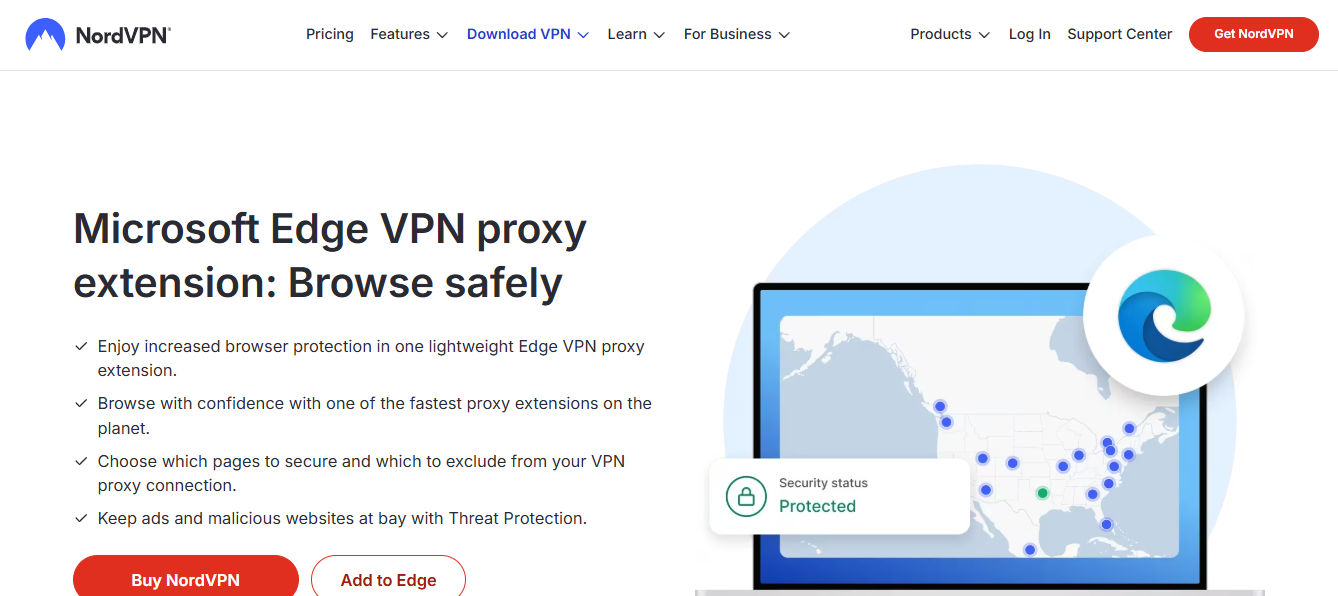
Browsec vpn free vpn for edge complete guide to using browsec on edge features setup tips and alternatives – here’s a quick, all-in-one rundown to get you up and running smoothly. Quick facts: Browsec is a browser extension that helps you browse with a VPN-like layer right in Edge. In this guide you’ll find practical steps, real-world tips, and a clear path to maximize privacy and access. This post is designed for busy readers, so expect concise sections, handy checklists, and concrete examples.
- What you’ll learn:
- How Browsec works on Edge and what it protects
- How to install, configure, and optimize Browsec on Edge
- Free vs. paid Browsec features and when to upgrade
- Troubleshooting common Edge VPN extension issues
- Alternatives if Browsec isn’t the perfect fit for you
At a glance: Browsec on Edge is commonly used for security on public Wi-Fi, bypassing regional restrictions, and keeping your browsing lightweight. It’s not a full desktop VPN, but it’s a solid option for quick protection inside the browser. Below you’ll find a thorough, step-by-step walkthrough, followed by FAQ and resource lists to keep handy.
Table of contents
- Browsec basics: what it is and how it works
- Getting started: install Browsec on Edge step-by-step
- Features explained: free plan, paid upgrades, and what they unlock
- Setup tips for best performance
- Using Browsec in everyday scenarios
- Troubleshooting common issues
- Alternatives to Browsec for Edge
- Best practices for privacy and security
- Frequently Asked Questions
Browsec basics: what it is and how it works
- What Browsec does: Browsec acts as a lightweight VPN extension for Edge, routing your browser traffic through its servers to mask your IP address and encrypt data in transit within the browser session.
- What Browsec doesn’t do: Browsec is not a full device-wide VPN. If you need system-wide protection for your entire OS or apps outside Edge, you’ll want a traditional VPN client.
- Core benefits:
- IP masking to access geo-restricted content
- Encrypted browser traffic on unsecured networks
- Easy one-click activation directly from Edge
- Limitations to know:
- Connection speed can vary based on server load
- Some sites may still detect VPN usage
- Free tier may have fewer server locations and higher limits on data
Getting started: install Browsec on Edge step-by-step
- Open Microsoft Edge and go to the browser’s Extensions marketplace.
- Search for “Browsec VPN” and select the official Browsec extension.
- Click on Add to Edge, then confirm by selecting Add extension.
- After installation, you should see the Browsec icon in the Edge toolbar.
- Click the Browsec icon to open the extension panel and sign up or log in if you already have an account.
- Choose a server location and toggle the VPN on to start using Browsec in Edge.
- To disable, click the toggle again. You can switch locations on the fly as needed.
- Optional: adjust settings for auto-launch, startup behavior, and performance preferences in the Browsec panel.
Pro tips for installation and setup
- Confirm you’re using the official Browsec extension to avoid phishing add-ons.
- If you encounter slow speeds, try a different server location closer to your actual location.
- For frequent users, consider creating a Browsec account to access cloud features and optimize connection choices.
- Use Browsec primarily for browser traffic; for apps and OS-wide encryption, explore a full VPN service.
Features explained: free plan, paid upgrades, and what they unlock
- Free plan:
- Basic server access usually a limited number of locations
- Bandwidth and session limits set by Browsec
- Core protection for browser traffic
- Paid upgrades:
- More server locations and faster speeds
- Higher data allowances and priority servers
- Additional security features if offered by Browsec in your region
- What to expect:
- The free plan is great for casual browsing on public networks
- If you need streaming access from multiple regions or more reliable speeds, consider the paid tier
- How to decide:
- Assess your typical usage: casual browsing vs. heavy streaming or work-related tasks
- Try the free tier for a week, then evaluate whether a paid plan makes sense for your needs
Setup tips for best performance
- Pick servers that are geographically close to you to reduce latency.
- Turn off auto-connecting on startup if you don’t want the VPN on every time you open Edge.
- Use Browsec with HTTPS websites to maximize encryption protection.
- If you’re on a flaky network, reconnect to a different server rather than restarting Edge.
- Clear browser cache if Browsec seems slow after a long browsing session.
Using Browsec in everyday scenarios
- Public Wi-Fi at coffee shops or libraries:
- Turn Browsec on before visiting sites that require logins.
- Use stronger authentication where available on sensitive accounts.
- Streaming and geo-restricted content:
- Test different servers that are known not to be blocked by the streaming service.
- Be mindful of potential streaming quality loss due to shared VPN IPs.
- Online shopping:
- Browsec can help with price differences by showing different regional prices, but be aware of payment restrictions and terms.
Troubleshooting common issues
- Issue: Browsec not connecting
- Step 1: Check your Internet connection
- Step 2: Try a different server location
- Step 3: Refresh or reinstall the extension
- Issue: Slow browsing or buffering
- Step 1: Switch to a closer server
- Step 2: Check other browser extensions that may cause conflicts
- Step 3: Disable other network-heavy apps temporarily to test performance
- Issue: Websites loading without encryption
- Step 1: Ensure Browsec is toggled on
- Step 2: Verify you’re on an HTTPS-enabled site
- Step 3: Clear cookies and cache if needed
Alternatives to Browsec for Edge
- Other VPN extensions compatible with Edge:
- Proton VPN extension for Edge
- Windscribe VPN extension for Edge
- TunnelBear VPN extension for Edge
- Full VPN clients you can install on your device:
- ExpressVPN, NordVPN, Surfshark for system-wide protection
- Considerations when choosing an alternative:
- Server reach and locations
- Speed and reliability
- Privacy policy and data logging
- Price and value for your use case
Best practices for privacy and security
- Use Browsec as part of a layered privacy approach:
- Enable strong passwords and 2FA for critical services
- Keep Edge and extensions up to date
- Regularly review browser privacy settings
- Be mindful of logging policies and data retention of the VPN provider
- Avoid sharing sensitive data while connected to unknown networks
- Consider periodically testing your real IP address via reputable online tools to verify protection
Performance and data considerations
- The impact of a browser VPN on data usage tends to be minor for typical browsing, but streaming and large file downloads may see higher data usage due to encapsulation and server routing.
- Server load and time of day can affect speed; plan accordingly when you need consistent performance.
Troubleshooting quick reference
- If Browsec crashes Edge:
- Disable other extensions and reload Edge
- Reinstall Browsec from the Edge Add-ons store
- If you can access some sites but not others:
- Check site blocks or regional restrictions that Browsec may not bypass
- Try a different server location or disable and re-enable Browsec
- If you’re unsure about a safe server:
- Use a server recommended by Browsec’s internal stats or support articles
- Start with a nearby location to test stability
Best practices for daily use
- Turn Browsec on when using public networks or when you want IP masking for quick privacy checks.
- Turn Browsec off when you’re on a trusted private network to avoid over-encapsulation or potential speed reduction.
- Regularly review permissions granted to the Browsec extension and remove unnecessary access if needed.
Frequently Asked Questions
How do I install Browsec on Edge?
Install Browsec from the Edge Extensions store, then click the icon in your toolbar to start using it.
Is Browsec free VPN for Edge enough for safe browsing?
For casual protection on browser traffic, yes. It’s not a substitute for a full device-wide VPN if you need protection for other apps.
Can Browsec bypass all geo-restrictions?
Often it can bypass many region locks, but some services actively block known VPN IPs. Speed and reliability will vary by server.
Does Browsec log my data?
Check Browsec’s privacy policy for specifics. Most browser VPNs log limited data, but policies vary by provider and plan.
Will Browsec slow down my internet?
Some latency is possible due to server routing. Connecting to a nearby server often helps.
Can I use Browsec with streaming services?
Yes, but not all servers will work consistently due to streaming service blocks. Test different locations.
How do I upgrade from the free plan?
Open the Browsec panel in Edge, choose the upgrade option, and follow the payment steps.
Is Browsec safe to use on public Wi-Fi?
Yes, it helps encrypt browser traffic and masks your IP on public networks.
What if Browsec isn’t working on Edge?
Try restarting Edge, reinstalling the extension, or clearing browser data. If problems persist, check Browsec’s support resources.
How do I disable Browsec on Edge?
Click the Browsec icon and toggle the switch to off.
Useful URLs and Resources
- Browsec official site - browsec.com
- Microsoft Edge add-ons store - microsoft.com/edge
- Browsec support center - support.browsec.com
- Privacy best practices - en.wikipedia.org/wiki/Privacy
- 2FA information - twofactorauth.org
- Networking basics - en.wikipedia.org/wiki/Computer_network
- VPN comparison guide - techradar.com/vpn/compare
- Streaming VPN tips - cordcuttersnews.com
Note: The above URLs are provided as text references for your convenience; copy and paste any of them into your browser to access the resources.
Yes, Browsec VPN offers a free VPN option for Edge via its browser extension.
If you’re curious about using Browsec on Edge, this guide covers everything from setup to real-world use, plus tips to maximize privacy and speed. You’ll find a quick-start section, a comparison between Browsec’s free and paid plans, troubleshooting, and solid alternatives in case you need more robust protection. Think of this as your friendly, no-fluff primer on running Browsec on Edge with practical steps you can follow today. Here’s what you’ll get:
- A quick-start: how to install Browsec on Edge in under 5 minutes
- What free Browsec on Edge can and can’t do limits, speeds, locations
- Privacy, security, and potential risks when using browser-based VPNs
- Step-by-step usage tips: choosing servers, enabling protections, and testing for leaks
- Real-world scenarios: streaming, public Wi‑Fi, and work-from-anywhere
- Upgrading options and solid alternatives if you need more
- A robust FAQ with practical answers to common questions
For readers who want extra protection beyond Browsec, consider this NordVPN deal:
Useful resources you can check later non-clickable: Browsec official site - browsec.com, Edge support and extensions - microsoft.com/en-us/edge, IP leak test - ipleak.net, What is a VPN - en.wikipedia.org/wiki/Virtual_private_network, Edge extensions store - microsoftedge.microsoft.com/addons, Browsec privacy policy - browsec.com/privacy-policy
Browsec on Edge: the basics and what to expect
Browsec is a browser-based VPN extension designed to route your browser traffic through encrypted servers. On Edge the Chromium-based version, you don’t need a full system-wide VPN app—you install the Browsec extension and toggle it on when you want to protect your browser traffic. Because Edge now supports many Chrome extensions, Browsec can be installed from the Edge Add-ons store or the Chrome Web Store.
What “free” means in Browsec terms:
- You’ll get access to a small set of server locations and lower priority than paid users
- Speeds may be slower than premium plans, especially during peak times or when you’re far from the selected server
- Ads and occasional prompts may appear in the extension interface
- Overall privacy protections still apply, but features like advanced kill switch or global device protection may be limited or unavailable
A browser extension VPN like Browsec provides a convenient, lightweight layer of privacy protection for your browser traffic, but it won’t cover all app traffic on your device. If you’re shopping for a more comprehensive solution, you’ll often want a full VPN app in addition to or instead of the browser extension.
Free vs Premium: what you get and what you don’t
Free plan
- Limited server locations typical XP options in nearby regions
- Lower top speeds, with potential throttling during high-traffic periods
- Ads and occasional prompts in the UI
- Basic protection for browser traffic. no system-wide VPN coverage
- Community or ticket support rather than 24/7 priority support
Premium plan paid Best VPN for USA Travelling in 2026: The Ultimate Guide to Staying Safe, Accessing Content, and Saving Money on the Road
- Access to more server locations worldwide
- Faster, more stable connections and higher throughput
- Ad-free experience and enhanced UI
- Possible additional features like a “kill switch,” more robust DNS protections, and priority support
- System-wide protection depending on the vendor and platform in addition to browser protection
What this means in practice: Browsec free is a solid starting point if you mainly want to unblock content in your browser or add a basic privacy layer while browsing. If you’re on public Wi‑Fi, handling sensitive work tasks, or streaming from locations with strong geoblocks, upgrading to premium or considering a dedicated VPN app can be worth it.
Privacy and logging note: Browsec’s policy outlines how data is collected for operation and improvement. As with any browser-based VPN, read the privacy policy to understand what is collected and how it’s used. If privacy depth is your top priority, you’ll want to compare Browsec’s policy with other providers to ensure it matches your expectations.
How to install Browsec on Edge step-by-step
- Open Edge and go to the Extensions area
- Search for Browsec in the Edge Add-ons store or on the Chrome Web Store Edge supports Chrome extensions
- Click Add to Edge or Add extension
- Confirm any prompts about permissions
- Pin Browsec to your toolbar for quick access
- Open Browsec from the toolbar, choose a location if you’re on free, you’ll see available options, and toggle the switch to connect
Tips for a smooth setup:
- If you don’t see Browsec in Edge, enable “Extensions from other stores” if you’re using Chrome Web Store in Edge’s extension settings
- Start in nearby locations to reduce latency, then test other servers if you need different content access
- If you’re using other privacy tools, disable conflicting extensions ad blockers or anti-tracking tools can interfere with VPNs
How to use Browsec on Edge: a quick, practical guide
- Turn Browsec on, select a server location, and browse as normal
- If you’re streaming, choose a location that’s known to have access to the service you want to watch some free locations may be blocked by streaming platforms
- For sensitive work on public Wi‑Fi, keep Browsec on and consider pairing with a strong password manager and two-factor authentication
- If you experience slowdowns, switch to a closer server, close bandwidth-heavy apps, and reload pages
- Test for IP and WebRTC leaks after you connect to your Browsec server. You can visit ipleak.net or similar services to verify your IP address and DNS requests appear as the VPN’s server location
A quick test workflow:
- Before connecting: note your real IP, use ipleak.net to confirm your current IP shows your actual location
- After connecting: re-run the test. you should see the Browsec server location in the reported IP
- For WebRTC leaks, use the same test page or dedicated WebRTC leak test pages to verify no leaks occur in the browser
Performance notes: Zenmate free vpn edge guide 2025: ZenMate free version, features, limitations, safety tips, and top alternatives
- Browser-based VPNs like Browsec can be affected by your local network conditions
- If you’re far from a server, you’ll likely experience higher latency. always test a nearby server first
- Public Wi‑Fi networks can be noisy. Browsec can help, but a full VPN may offer more reliability in some scenarios
Security, privacy, and practical considerations
- Browser-only protection versus system-wide coverage: Browsec secures browser traffic, which is great for casual browsing, but not a substitute for a full VPN if you need device-wide protection
- DNS and IP handling: Browser-based VPNs typically use their own DNS paths to reduce leaks, but you should verify DNS requests on the test pages after connecting
- WebRTC leaks: WebRTC can reveal your real IP despite a VPN. disabling or controlling WebRTC in your browser settings adds another layer of privacy
- Kill switch availability: Many browser extensions don’t offer a robust kill switch that blocks all traffic if the VPN drops. If you need a hard kill switch, you may prefer a full VPN app that explicitly provides this feature
- Logging and privacy: Review Browsec’s privacy policy to understand what data is collected during operation and how it’s used. If privacy depth is crucial for you, compare policies across providers
- Content access and geoblocks: Some streaming services and websites actively block VPNs. If accessing geo-restricted content is important, you may need to experiment with multiple locations or alternative providers
Speed and reliability: tips to get the most from Browsec on Edge
- Choose nearby servers first: Closer servers generally yield lower latency and smoother streaming
- Avoid peak times: Early evenings and weekends see heavier traffic. if possible, try off-peak hours
- Limit browser extensions: Extra extensions can compete for bandwidth or cause conflicts, so disable unnecessary ones while you’re connected
- Use a wired connection if possible: If you’re on a laptop, a wired Ethernet connection can improve stability
- Regularly update Browsec: Ensure you’re running the latest version to benefit from performance improvements and bug fixes
- Consider upgrading if you need higher throughput or more reliable performance for demanding tasks
When Browsec alone isn’t enough: upgrading and alternatives
If you find Browsec free too limiting, you have options:
- Upgrade to Browsec Premium for more servers and faster speeds within the same browser-based approach
- Try a standalone VPN app: If you need device-wide protection on Windows, macOS, iOS, or Android, a dedicated VPN app often provides better performance, a true kill switch, and more consistent speeds
- Alternatives to Browsec free or paid:
- ProtonVPN Free: solid privacy track record, no data cap on some plans, but limited server options and speeds on the free tier
- Windscribe: offers a generous free data allowance and multiple locations
- TunnelBear: user-friendly with a playful interface. free plan has monthly data limits
- Atlas VPN: straightforward, with a free tier and paid upgrades
- Private Internet Access PIA and similar providers: strong feature sets in paid plans
When deciding, think about what matters most to you: thorough privacy, consistent streaming access, or a no-hussle browsing experience. If security and reliability are non-negotiable, a reputable full VPN app from a trusted provider is often worth the investment.
Real-life use cases you’ll actually encounter
- Streaming geo-blocked shows: Browsec can unblock some libraries, but streaming services frequently update their VPN detection. If a service blocks Browsec, try a different server or consider a premium option from the same or another provider
- Public Wi‑Fi safety: Browsec adds a privacy layer in your browser, reducing exposure on shared networks
- Remote work and privacy-conscious browsing: For day-to-day tasks that don’t require system-wide protection, Browsec is a convenient option
- Travel and access to region-specific content: You can switch servers to see what content is available from different regions, in a pinch
Edge-specific tips you’ll find useful
- Always keep Edge and Browsec updated to avoid compatibility issues
- If you use Edge features that rely on local content or WebRTC, be mindful of potential leaks. test regularly
- Consider combining Browsec with a strong endpoint security routine: updated OS, home firewall, and password hygiene
- If Edge blocks certain content when Browsec is on, try toggling Smart Location if available to automatically pick the best server for your needs
Frequently Asked Questions
Is Browsec safe to use on Edge?
Yes, Browsec is designed to protect your browser traffic by routing it through a VPN server, which helps hide your IP and encrypt data in transit. However, it’s browser-based, not a system-wide solution, so other apps on your device may not be protected.
How do I install Browsec on Edge?
Open Edge, go to Extensions, search for Browsec in the Edge Add-ons store or the Chrome Web Store, and click Add to Edge. Then pin the extension and sign in if needed.
Is Browsec free?
Browsec offers a free tier with limited servers and potentially slower speeds. Premium adds more servers and faster performance. Hotspot shield vpn edge review 2025: features, performance, privacy, pricing, and setup guide
Can Browsec bypass streaming geo-blocks?
Sometimes yes, but streaming services actively block VPNs. If a service blocks Browsec, you may need to switch servers, try Premium, or consider another provider.
Does Browsec have a kill switch?
Browser extensions typically don’t offer a traditional system-wide kill switch. If you need a kill switch, consider a full VPN app that includes this feature.
Does Browsec leak WebRTC or DNS?
WebRTC leaks can still reveal your real IP in some setups. It’s a good idea to test for WebRTC leaks and adjust browser settings if needed. Browsec’s DNS handling aims to reduce leaks, but verify with tests.
How fast is Browsec on Edge?
Speeds depend on server location, distance, and network conditions. Nearer servers usually perform better. Free plans may experience more throttling and variability.
Can I use Browsec on other browsers besides Edge?
Yes, Browsec supports multiple browsers, including Chrome and Firefox. If you switch browsers, you’ll need to install the extension there as well. Tunnelbear vpn rating
Should I use Browsec or a full VPN app?
For browser-level protection and convenience, Browsec is great. If you need device-wide protection, a full VPN app is typically more robust, with features like a true kill switch, DNS protection, and wider server networks.
How do I test if Browsec is working?
Visit a site that shows your IP, like ipleak.net, before and after connecting Browsec. The displayed location should shift to the selected Browsec server location. Also check DNS requests to ensure they reflect the VPN tunnel.
If you’re exploring Browsec specifically for Edge, this guide should give you a clear path from installation to daily use, plus practical warnings and alternatives. Remember, it’s about matching the right tool to your needs: Browsec on Edge for quick privacy on browser traffic, or a more comprehensive VPN solution when you require broader device protection and reliability.
Vpn china free 中国大陆翻墙指南与安全要点