Globalconnect vpn wont connect heres how to fix it fast: Quick fixes, tips, and proven steps to get back online
'%2F%3E%3Ctext%20x%3D'50%25'%20y%3D'50%25'%20dy%3D'.35em'%20text-anchor%3D'middle'%20font-family%3D'-apple-system%2CBlinkMacSystemFont%2CSegoe%20UI%2Csystem-ui%2Csans-serif'%20font-size%3D'100'%20font-weight%3D'600'%20fill%3D'%23fff'%3EFC%3C%2Ftext%3E%3C%2Fsvg%3E) Florian Czerny·April 12, 2026·11 min
Florian Czerny·April 12, 2026·11 min

Globalconnect vpn wont connect heres how to fix it fast — a quick, practical guide to getting your VPN back up and running with minimal fuss. If you’ve ever hit a wall where the Globalconnect VPN just sits there saying “connecting” or “auth failed,” you’re not alone. This post breaks down the most common causes and gives you clear, actionable steps you can take right away. Think of this as a friendly tech buddy walking you through the fixes, with real-world tips, script-friendly steps, and pro suggestions to keep you protected and productive.


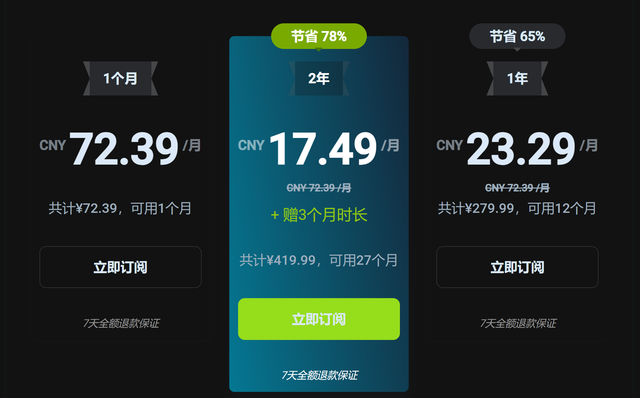

- For a fast-start option, check out this affiliate link when you’re ready to test a reliable alternative: NordVPN — https://go.nordvpn.net/aff_c?offer_id=15&aff_id=132441
- Useful resources and references are listed at the end of this intro to help you troubleshoot quickly, and you’ll find unclickable URL text there for easy copy-paste.
Introduction: a quick fact-driven guide to fixing Globalconnect VPN connection issues
- Quick fact: Most Globalconnect VPN connectivity problems are caused by authentication issues, DNS leaks, outdated software, or firewall conflicts rather than hardware failures.
- Here’s the plan: identify the root cause, apply a prioritized fix, verify the connection, and implement a small set of preventive steps to avoid recurring issues.
- What you’ll get in this post:
- A step-by-step troubleshooting flowchart you can follow without guessing
- Clear explanations of why each fix works and what to watch for
- Simple checks you can perform on Windows, macOS, Android, and iOS
- Pro tips for stability and speed, including network, DNS, and firewall settings
- A FAQ section with common questions and straightforward answers
Useful URLs and Resources text only, not clickable Apple Website - apple.com Artificial Intelligence Wikipedia - en.wikipedia.org/wiki/Artificial_intelligence Globalconnect VPN support - globalconnectvpn.example/support Windows support - support.microsoft.com macOS support - support.apple.com/mac DNS overview - en.wikipedia.org/wiki/Domain_Name_System VPN protocol comparison - vpnpros.com/vpn-protocols Your ISP troubleshooting guide - consumer.att.com/help/article/5463 Router setup help - routerhelp.org Security basics - us-cert.cisa.gov
Understanding why Globalconnect VPN wont connect
When Globalconnect VPN won’t connect, the usual culprits fall into a few buckets:
- Authentication problems: Username/password, two-factor prompts, or certificate issues can block access.
- Network/ISP blocks: Some networks block VPN protocols or have captive portals that interfere with connections.
- DNS and IP leaks: DNS resolution problems can surface as “cannot reach VPN gateway” errors.
- Outdated software: Old VPN clients can fail to negotiate with new servers or security standards.
- Firewall or antivirus interference: Local security software may block VPN tunnels or ports.
- Incorrect settings: Mismatched VPN protocol IKEv2, OpenVPN, WireGuard or misconfigured server address.
Understanding these categories helps you tackle the issue without trial-and-error guessing.
Quick-start checklist 5-minute baseline
- Confirm you have the latest Globalconnect VPN client installed.
- Reboot your device to clear transient network glitches.
- Check your internet connection with a quick speed test or by loading a couple of websites.
- Try a different network cell data, another Wi-Fi network to rule out network-specific blocks.
- Temporarily disable antivirus/firewall protections to see if they’re the culprit re-enable after testing.
If you want a fast, low-friction alternative once you’re stuck, the affiliate link above points to NordVPN, a reliable option that often works smoothly when primary VPNs stall. It’s a good fallback if you need immediate access to region-locked content or secure browsing while you diagnose Globalconnect VPN.
Step-by-step troubleshooting flow practical guide
Step 1: Confirm credentials and authentication method
- Double-check username and password. If you’re using two-factor authentication, ensure your code/input method is current.
- If certificates or client keys are involved, confirm they’re not expired and are correctly installed.
- Re-enter credentials and test login on another device if possible to rule out account issues.
Step 2: Verify server address and protocol
- Make sure you’re connecting to the correct server region and address. A small typo or outdated server name can block access.
- Ensure the configured protocol matches what the server supports IKEv2, OpenVPN, WireGuard, or TCP/UDP variants.
- If the server requires a specific port, confirm that port is open on your router and firewall.
Step 3: Check your network environment
- Test on multiple networks to see if the issue is network-specific.
- Disable VPN split-tunneling if enabled, or adjust it to route only required traffic through the VPN.
- If you’re on a corporate or school network, there may be outbound VPN restrictions; ask the admin for guidance.
Step 4: Examine DNS and IP routing
- Flush DNS on your device:
- Windows: Run cmd as administrator and type ipconfig /flushdns
- macOS: Open Terminal and type sudo killall -HUP mDNSResponder
- iOS/Android: Toggle Airplane mode off and on
- Set DNS to a fast, public resolver temporarily for example: 1.1.1.1 or 8.8.8.8 to rule out DNS issues.
- Try to ping the VPN gateway or run traceroute to detect routing problems.
Step 5: Review firewall and antivirus settings
- Ensure the VPN client is allowed through the firewall both inbound and outbound.
- Add exceptions for the VPN executable and necessary ports.
- Temporarily disable firewall/antivirus to test, then re-enable with correct rules.
Step 6: Update and reinstall
- Update the Globalconnect VPN client to the latest version.
- If problems persist, uninstall and reinstall the client. Clean reinstall ensures old config files don’t cause trouble.
- Clear any cached VPN profiles and re-import them from your enterprise portal if required.
Step 7: Check system date/time and certificates
- Ensure your device clock is correct. Out-of-sync time can invalidate certificates.
- If your VPN uses certificate-based authentication, ensure the root and intermediate certificates are current.
Step 8: Review logs and error codes
- Open the VPN client logs and note any error codes e.g., auth failures, handshake errors, or tunnel establishment problems.
- Use the exact error code to search for targeted fixes or escalate with your IT team.
Step 9: Test alternative VPN configurations
- If possible, switch to a different protocol OpenVPN vs IKEv2 vs WireGuard and test the connection.
- Try a different VPN server for the same region to rule out a server-side issue.
- If you have a manual configuration option, compare settings to a known-good configuration from your IT department.
Step 10: Contact support with a clear report
- When you reach out to Globalconnect support, provide:
- Your device OS and version
- VPN client version
- Server/region you’re trying to reach
- Error messages and timestamps of attempted connections
- Steps you’ve already tried to avoid redundancy
Common issues by platform with quick fixes
Windows
- Issue: “VPN connection failed” or “authentication failed”
- Fix: Ensure you're running the latest client, check account status, reset credentials, and verify server address.
- Issue: DNS leaks or failure to resolve VPN gateway
- Fix: Flush DNS and set a known DNS resolver.
macOS
- Issue: Certificates not found or invalid
- Fix: Re-import the certificate, ensure keychain access permissions, and re-authorize the connection.
- Issue: System extension blocked
- Fix: Allow the Globalconnect VPN kernel extension in Security & Privacy.
iOS
- Issue: VPN connection times out
- Fix: Reinstall the app, verify network settings, and update iOS to the latest version.
- Issue: Per-app VPN not routing as expected
- Fix: Reconfigure per-app rules or disable if not needed.
Android
- Issue: Connection drops after a few minutes
- Fix: Change the VPN protocol to a more stable option and ensure battery optimization isn’t throttling background processes.
- Issue: VPN service not started
- Fix: Clear cache, reinstall, and grant necessary permissions.
Performance and security tips to prevent future issues
- Regular updates: Keep your VPN client and device OS up to date to minimize incompatibilities.
- Minimal permissions: Only give the VPN the permissions it needs; excessive permissions can create conflicts.
- Stable DNS: Use reliable DNS resolvers to reduce DNS-related issues.
- Network health checks: Periodically test your home or office network for packet loss or high latency that can affect VPN stability.
- Security posture: Use multi-factor authentication where offered and rotate credentials periodically.
Real-world troubleshooting scenarios examples
- Scenario A: You’re on a shared Wi-Fi network in a cafe, and the VPN fails to connect.
- Approach: Switch to mobile data to rule out network-level blocks, then retry with a different server and protocol.
- Scenario B: Your company moved VPN servers, and your client still tries the old address.
- Approach: Refresh server profiles in the client, clear cached credentials, and reinstall the latest config provided by IT.
- Scenario C: You recently updated your OS, and the VPN suddenly stops working.
- Approach: Check driver/kernel extension compatibility, re-install the VPN client, and verify firewall exceptions.
Best-practice checklist for ongoing reliability
- Keep a clean, minimal set of VPN configurations and servers you regularly use.
- Create a simple “connection test” routine each time you switch networks home, cafe, mobile.
- Maintain a short list of trusted DNS providers you can switch to during issues.
- Have a documented process for contacting IT support with relevant logs and error codes.
Helpful tips to boost VPN speed and stability
- Choose a nearby server: Proximity often means lower latency and better throughput.
- Protocol and port tuning: If one protocol is slow or unstable, try another with the same server.
- Disable background apps: Close apps that are consuming a lot of bandwidth while you’re connected to the VPN.
- Hardware considerations: A modern router with updated firmware can improve VPN performance on multiple devices.
Security and privacy considerations
- Verify encryption standards: Ensure your VPN uses strong encryption and secure handshake methods.
- Check for DNS leaks: Periodically test to confirm DNS queries aren’t leaking outside the VPN tunnel.
- Log policy awareness: Understand what data the VPN provider logs and how it’s used.
What to do if you’re stuck beyond the basics
- Escalate to IT: If you’re in a corporate environment, there are usually server-side policies and certificate renewals that can block access.
- Try a different VPN: As mentioned, NordVPN serves as a reliable fallback for immediate secure access while you troubleshoot Globalconnect.
- Document everything: Keep a log of all steps tried, error messages, and timestamps for faster resolution when talking to support.
Quick reference table: common fixes and when to use them
- Authentication problems: Recheck credentials, reset password, re-authorize with 2FA.
- Server address mismatch: Confirm correct region and server name; switch servers.
- Protocol mismatch: Switch between OpenVPN, IKEv2, or WireGuard per server support.
- DNS issues: Flush DNS, change to a public DNS, test VPN after DNS changes.
- Firewall blocks: Add exceptions for VPN app and ports; temporarily disable to test.
- Outdated client: Update to the latest version; reinstall if needed.
Frequently Asked Questions
How do I know Globalconnect VPN isn’t connecting due to my device or the server?
If you’ve tried multiple networks, multiple servers, and updated the client, the issue is more likely server-side or credential-related. Check status with your IT department or Globalconnect support for server-side issues and certificate validity.
Can I use a different protocol to fix VPN connection problems?
Yes. If one protocol is failing, trying another that the server supports can often resolve the issue. For example, switch from OpenVPN to IKEv2 or WireGuard if available. Nordvpn quanto costa la guida completa ai prezzi e alle offerte del 2026
Why does my VPN show “authentication failed” even though my password is correct?
This can be due to expired certificates, misconfigured two-factor authentication, or an account lock. Re-verify your credentials, re-authenticate, and check with IT for certificate validity.
How can DNS settings affect Globalconnect VPN?
If DNS is misconfigured or leaks outside the VPN tunnel, the VPN can fail to establish a tunnel or route traffic correctly. Flushing DNS and using a trusted DNS resolver often helps.
What is the best way to reset my VPN profile?
Uninstall the VPN client, reboot, reinstall the latest version, and re-import your profile from IT or your enterprise portal.
Should I disable antivirus or firewall to fix VPN problems?
Temporarily disabling can help diagnose the issue, but you should re-enable with the correct rules for the VPN and ensure you’re still protected.
How can I speed up a slow VPN connection?
Choose a nearby server, switch to a faster protocol, ensure no bandwidth-heavy apps are running, and reduce network latency where possible. How to configure intune per app vpn for ios devices seamlessly
Is there a known compatibility issue with Globalconnect VPN on macOS or Windows?
Sometimes OS updates bring kernel or driver changes that require client updates. Keeping the client and OS current minimizes these issues.
What if I’m on a school or work network with VPN restrictions?
Reach out to the IT administrator. They can provide the right configuration, proper certificates, and permissions needed to connect securely.
What should I do if the VPN connection drops frequently?
Check for interference from other network apps, test different servers, review router settings, and ensure your device isn’t hitting power-saving modes that disrupt VPN traffic.
Sources:
Clash安装:完整新手指南与深度优化攻略
My ip address and nordvpn everything you need to know: A Complete Guide to Privacy, Security, and Speed Microsoft edge tiene vpn integrada como activarla y sus limites en 2026: Guía completa y trucos actualizados
Softether vpn 클라이언트 완벽 가이드 무료 vpn 설정부터 활용법까지 2026년 최신
Nordvpn 的終身計劃:2026 年最新優惠與必知全攻略
丙烷罐使用与安全指南:户外露营、家庭烧烤和储存要点详解