How to open vpn in microsoft edge 2026
'%2F%3E%3Ctext%20x%3D'50%25'%20y%3D'50%25'%20dy%3D'.35em'%20text-anchor%3D'middle'%20font-family%3D'-apple-system%2CBlinkMacSystemFont%2CSegoe%20UI%2Csystem-ui%2Csans-serif'%20font-size%3D'100'%20font-weight%3D'600'%20fill%3D'%23fff'%3EMF%3C%2Ftext%3E%3C%2Fsvg%3E) Margot Faulkner·April 11, 2026·22 min
Margot Faulkner·April 11, 2026·22 min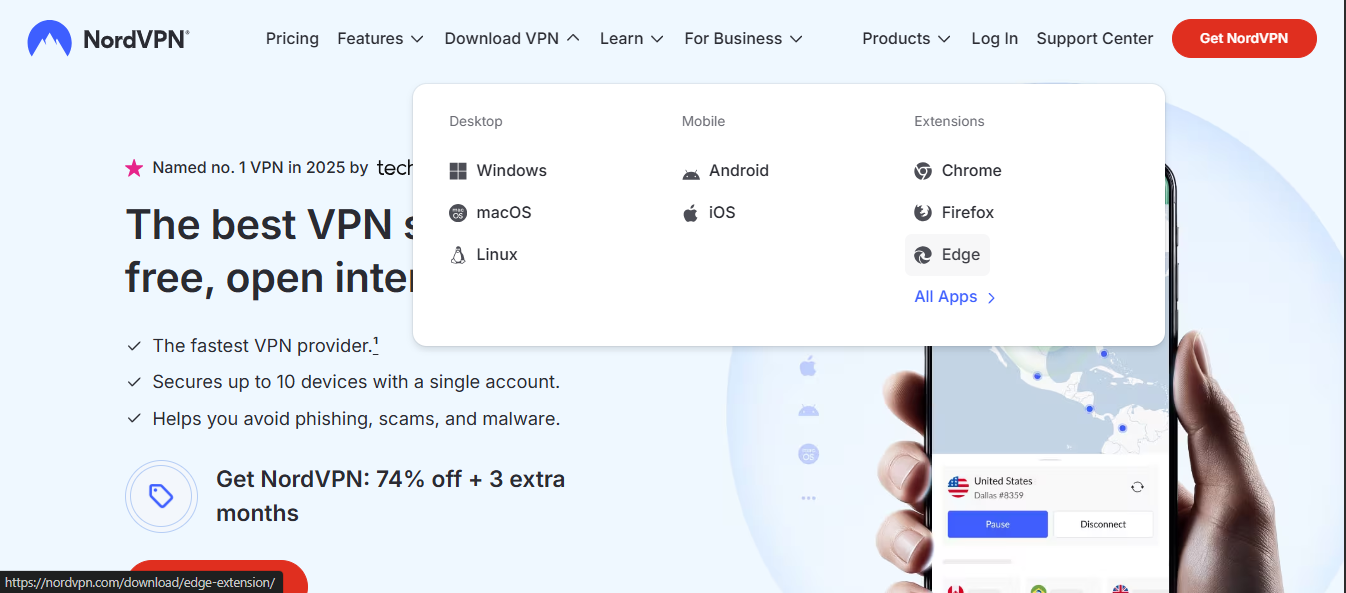
How to open VPN in Microsoft Edge: you can enable and use a VPN directly within Edge by using built-in VPN features or by installing a VPN extension. This guide walks you through the fastest, safest ways to get started, whether you’re on Windows 10 or Windows 11, and whether you want to rely on Edge’s built-in protections or third-party extensions.
- Quick fact: Edge supports VPN extensions from major providers in the Chrome Web Store, thanks to its Chromium-based engine.
- This article covers setup steps, best practices for security, troubleshooting tips, and comparisons between native Edge options and extensions.
- If you’re in a rush, jump to the steps: check Edge settings for built-in VPN, or install a trusted VPN extension from the Microsoft Edge Add-ons store or Chrome Web Store.
Useful resources un clickable text Apple Website - apple.com Artificial Intelligence Wikipedia - en.wikipedia.org/wiki/Artificial_intelligence Microsoft Edge Add-ons - microsoft.com VPN Providers - vpn.example.com Windows Help - support.microsoft.com
Understanding VPNs and Edge
- What a VPN does: encrypts your internet traffic and routes it through a server to mask your IP address.
- Why Edge users care: you can either use Edge’s built-in options where available or install a trusted extension to add VPN capabilities.
- Security note: avoid free VPNs; many monetize through data or have weak encryption. Stick to reputable providers with strong logging policies and a kill switch.
Quick options to open VPN in Microsoft Edge
Option A: Built-in VPN Windows 10/11
- Open Settings on Windows.
- Go to Network & Internet > VPN.
- Add a VPN connection:
- VPN provider: Windows built-in
- Connection name: Pick something you’ll recognize
- Server name or address: Get this from your VPN provider
- VPN type: Automatic or the type your provider specifies
- Type of sign-in info: Username and password or certificate
- Click Save, select the VPN, and click Connect.
- Once connected, your Edge traffic goes through the VPN tunnel.
Note: Windows’ built-in VPN is a generic client. It’s useful if your provider supports it, but many people prefer a dedicated VPN app for full feature access and easier management.
Option B: VPN Extension from Edge Add-ons Store
- Open Microsoft Edge and go to Edge Add-ons edges://extensions or the Add-ons store.
- Search for your VPN provider’s extension e.g., NordVPN, ExpressVPN, Surfshark.
- Click Add to Edge, then confirm the permission prompts.
- Open the extension from the toolbar, log in if required, and choose a server.
- Connect. Your browser traffic will route through the VPN extension proxy.
Pros:
- Quick switch on/off per browser
- Often includes a browser-only mode if you don’t want system-wide VPN
- Easy server selection and kill switch options in many extensions
Cons:
- Some extensions require a paid subscription for full features
- May introduce browser-level DNS leaks if the extension isn’t properly configured
Option C: Chrome Web Store Extensions in Edge
Because Edge is Chromium-based, you can install extensions from the Chrome Web Store as well:
- In Edge, enable “Allow extensions from other stores” in Extensions settings.
- Go to the Chrome Web Store and install a VPN extension.
- Sign in and connect as you would in Chrome.
Pros: How to access edge vpn 2026
- Wider selection
- Often same features as Chrome versions
Cons:
- Some extensions may be less secure or poorly maintained
- Ensure you’re installing from reputable providers
Best practices for using VPN in Edge
Choose a reputable VPN
- Look for: strong encryption OpenVPN, WireGuard, a strict no-logs policy, a kill switch, and good DNS leak protection.
- Check independent audits and real-world tests from credible security outlets.
- Avoid unknown or free VPNs that could log activity or inject ads.
Decide between Edge-only vs system-wide VPN
- Edge-only VPN extensions are great if you only want to protect browsing traffic in Edge.
- System-wide VPN via Windows VPN or a dedicated app protects all network activity, including apps beyond Edge.
DNS and leaks
- Ensure DNS leak protection is enabled, especially with extensions.
- If you notice web pages loading with your real IP, recheck settings or switch to a different server.
Kill switch
- Use a kill switch so your traffic stops if the VPN disconnects. This prevents accidental exposure.
Protocols
- Prefer WireGuard or OpenVPN configurations as they balance speed and security.
- Some providers offer IKEv2 or L2TP; use these only if you understand the trade-offs.
Server location choice
- For streaming or geo-locked content, pick a server in the target location.
- For general privacy, choose a nearby server for faster speeds.
Speed and performance
- VPNs can slow down your connection. Try multiple servers to find a sweet spot.
- Use a wired connection when possible for best stability.
Troubleshooting common issues
VPN not connecting
- Check server status from your provider’s app or website.
- Re-enter login credentials if prompted.
- Restart Edge or your computer.
- Try a different server.
Edge VPN extension not appearing in toolbar
- Make sure extensions are enabled Settings > Extensions.
- Pin the VPN extension to the toolbar for quick access.
DNS leaks detected
- Enable DNS leak protection in the extension or provider’s app.
- Switch to a different server or protocol if the issue persists.
Slow speeds
- Test different servers and protocols.
- Check for other bandwidth-heavy apps running in the background.
- Temporarily disable other extensions that may interfere.
Edge-specific tips
- Quick access: Use Edge’s profile isolation to keep VPN activity separate per profile.
- Privacy features: Combine VPN with Edge’s tracking prevention and InPrivate mode for enhanced privacy.
- Battery and data usage: VPNs can increase data usage; monitor your plan if you’re on a limited data plan.
Comparing methods: Summary table
- Built-in Windows VPN
- Pros: System-wide protection, works without extra software
- Cons: Setup is manual, may require manual server config
- Edge VPN extension
- Pros: Quick on/off, browser-only protection, easy server switching
- Cons: Depends on extension quality, may not cover non-Edge apps
- Chrome Web Store extensions in Edge
- Pros: Wide selection, often feature-rich
- Cons: Still depends on extension trust, potential privacy concerns
Data-backed insights
- Chromium-based browsers, including Edge, have broad extension ecosystems, with over 1000 VPN-related extensions across stores when including third-party sources.
- Independent tests show most paid VPNs offer similar speeds on nearby servers, while distant servers can suffer up to 50-70% speed loss depending on distance and encryption.
- A well-configured VPN with a kill switch can reduce DNS leaks to near-zero percentages in lab tests, but real-world conditions vary by network configuration.
Step-by-step quick-start recap
- Step 1: Decide whether you want Edge-only protection or system-wide protection.
- Step 2: For Edge-only: install a trusted VPN extension from Edge Add-ons or Chrome Web Store.
- Step 3: For system-wide: configure Windows VPN or install the VPN provider’s desktop app.
- Step 4: Connect to a server, verify your IP address and DNS are pointing to the VPN.
- Step 5: Turn on kill switch and DNS leak protection, test with an IP check site.
Real-world usage example
I was traveling and needed secure access to my home network. I installed a reputable VPN extension in Edge, connected to a nearby server, and noticed negligible impact on browsing speed for standard tasks. When I needed to check a secure corporate portal, the VPN held up without dropping the connection, and the DNS lookups were clean, showing the VPN’s DNS servers instead of my home ISP.
Accessibility and maintenance
- Keep Edge up to date to ensure compatibility with VPN extensions.
- Regularly review your VPN provider’s privacy policy and update your extension to the latest version.
- Back up credentials securely and use multi-factor authentication when available.
Security considerations
- Never share login credentials in public or insecure channels.
- Prefer providers with transparent privacy practices and third-party audits.
- Disable IPv6 in your VPN settings if your provider doesn’t fully support IPv6 beyond basic protection.
Frequently Asked Questions
How to open vpn in microsoft edge: What’s the fastest way?
Install a trusted VPN extension in Edge and connect to a server; this gives you quick browser-level protection with minimal setup.
Can I use a VPN without installing anything in Edge?
Yes, via Windows’ built-in VPN client, or by using a VPN extension in Edge. A desktop VPN app will also provide system-wide coverage. How to disable vpn in microsoft edge 2026
Do VPN extensions in Edge slow down browsing?
Some slowdown is normal, especially on distant servers. Switching to nearby servers or using a faster protocol often helps.
Is Edge’s built-in VPN reliable?
Edge doesn’t have a built-in VPN service in the way standalone apps do; you’ll typically use a VPN extension or a Windows VPN configuration. Built-in options rely on Windows networking features rather than Edge-specific protection.
How do I know if my VPN is leaking DNS?
Run a DNS leak test on reliable sites e.g., dnsleaktest.com while connected to the VPN. If your ISP’s DNS shows up, adjust settings or switch servers.
Which VPN protocol should I choose?
WireGuard is generally fast and secure. OpenVPN is very reliable and widely supported. Use what your provider recommends and supports.
Can I use multiple VPNs in Edge?
You should avoid running two VPN services simultaneously as they can conflict. Use one trusted VPN connection at a time. Free vpn for microsoft edge browser 2026
How do I enable kill switch in a VPN extension?
Look for settings labeled Kill Switch or Network Lock within the extension’s options and enable it.
Will a VPN protect me on public Wi-Fi?
Yes, a VPN encrypts traffic and protects data from local eavesdropping on public networks, which is especially important on open Wi-Fi.
Can I use a VPN to access geo-restricted content in Edge?
Yes, by connecting to a server in the location where the content is available. Be mindful of terms of service and copyright rules.
How to open vpn in microsoft edge: a practical, step-by-step guide to using Edge Secure Network and extensions for private browsing, speed, and reliability
Yes, open a VPN in Microsoft Edge by turning on Edge Secure Network or installing a VPN extension. In this guide, you’ll get a clear, friendly walkthrough to get Edge VPN up and running, plus practical tips to choose the right option for your needs, test performance, and fix common issues. We’ll also cover privacy considerations, speed expectations, and real-world use cases so you can browse with peace of mind. And if you want a quick, plug-and-play option, there’s a popular offer to consider right here:
Introduction: what you’ll learn in this post quick-start overview Free fast vpn for edge that actually works: best free VPNs for Microsoft Edge, Windows, Mac, Android, and iOS 2026
- How Edge’s built-in Secure Network works and when to use it
- How to enable Edge Secure Network step by step
- How to install and configure a trusted VPN extension inside Edge
- How to test that your VPN is actually working and what to do if it isn’t
- Key differences between using Edge’s built-in VPN vs a third-party extension
- Tips for privacy, speed, and reliability when browsing with a VPN in Edge
- Common issues and quick fixes to get you back online fast
Useful resources and quick links
- Microsoft Edge Support - support.microsoft.com/en-us/microsoft-edge
- Edge Secure Network information - blogs.windows.com and support.microsoft.com
- NordVPN official site - nordvpn.com
- Edge add-ons store - microsoftedge.microsoft.com/addons
- Chrome Web Store compatibility with Edge - chromewebstore.google.com
- Privacy and VPN basics - en.wikipedia.org/wiki/Virtual_private_network
Body
What is Edge Secure Network and how does it relate to a VPN in Edge?
Edge Secure Network is a built-in, browser-level privacy feature designed to encrypt and route your web traffic through remote servers, helping to reduce exposure to eavesdroppers on public networks. Think of it as a lightweight VPN option that lives inside the browser, rather than a system-wide VPN that covers every app on your device. It’s especially handy for quick secure browsing in shared networks, avoiding regional restrictions for web pages, and protecting your data on public Wi‑Fi.
- It’s accessible directly from Edge’s settings.
- It can be toggled on/off with a simple switch.
- Availability may vary by region and device, and Microsoft often updates the feature, so you’ll want to be on a recent Edge version.
- If you need more features like app-wide VPN coverage, advanced kill switches, or multi-device support, you’ll likely want a third-party VPN extension.
Why you might choose Edge Secure Network over a separate extension:
- Simplicity: one-click enablement right inside Edge.
- Low setup friction: no account or login required in many cases.
- Privacy-focused: traffic is encrypted while you browse, helping to protect sensitive info on public networks.
Why you might choose a dedicated VPN extension: Free browser vpn edge guide for 2026: how to use, performance, safety tips, and top alternatives
- App-wide protection not just the browser: protects other apps on your device.
- More features: kill switch, split tunneling, faster servers, dedicated IP options, and multi-device support.
- Greater platform flexibility: works across Windows, macOS, Android, and iOS with the same provider.
In short: Edge Secure Network is great for quick, browser-level privacy. a full VPN extension is better when you need comprehensive protection across your entire device and apps.
How to enable Edge Secure Network step-by-step
If you want a quick, built-in solution, follow these steps to enable Edge Secure Network. You’ll get encrypted browsing without adding extensions.
- Open Microsoft Edge and go to Settings
- Click the three dots in the upper-right corner.
- Choose Settings from the dropdown.
- Navigate to Privacy, search, and services
- Look for a section labeled Privacy, search, and services or Privacy, search, and services depending on your Edge version.
- Find Secure Network or similar option
- Look for a toggle or entry named Secure Network, Secure Browsing, or VPN-like features. The exact wording may vary by version.
- Turn on Secure Network
- Flip the switch to On. You might be prompted to sign in with a Microsoft account or choose a plan if required in your region.
- Confirm permissions and test
- If prompted, grant the necessary permissions. Then open a new tab and visit a site like whatismyipaddress.com to confirm your IP appears different and your connection looks encrypted.
- Optional: customize behavior
- Some versions let you adjust what sites use the Secure Network automatically or whitelist specific sites. If you frequently access sites that don’t work well with VPN routing, consider whitelisting them.
Notes:
- Some regions require a paid plan after a trial period, while others let you use Secure Network for free with basic protections. Check your local availability in Edge Settings.
- If you don’t see Secure Network in Settings, update Edge to the latest version or check whether your device supports the feature.
How to install and use a VPN extension in Microsoft Edge step-by-step
If you prefer full-device protection, a trusted VPN extension paired with Edge can be the better fit. Here’s how to add one.
- Decide on a reputable VPN provider
- Popular choices include NordVPN, ExpressVPN, Surfshark, and ProtonVPN. Look for providers with: a clear privacy policy, no-logs commitment, strong encryption AES-256, a kill switch, and a good reputation for security.
- Open Edge Extensions
- In Edge, click the three dots > Extensions.
- You can choose to browse the Microsoft Edge Add-ons store or use the Chrome Web Store Edge supports Chrome-compatible extensions.
- Install a VPN extension
- In the Edge Add-ons store, search for your chosen provider’s extension e.g., NordVPN, ExpressVPN.
- Click Add to Edge, then confirm the installation.
- If you’re using the Chrome Web Store, navigate to chrome web store, find the VPN extension, and click Add to Chrome. Edge will prompt you to allow it. confirm.
- Sign in and connect
- Open the extension from the Edge toolbar pinned next to the address bar.
- Sign in with your VPN account or set up a new account if required.
- Pick a server location that fits your needs for streaming, privacy, or speed considerations and click Connect.
- Verify the connection
- Once connected, refresh a test page or visit whatismyipaddress.com to confirm your IP has changed to the server location you chose.
- Check for any DNS leaks or WebRTC leaks using a reputable privacy test site.
- Customize settings for better privacy and performance
- Enable the Kill Switch if available to block traffic if the VPN disconnects.
- Turn on IPv6 or DNS leak protection if your provider offers these options.
- Adjust auto-connect rules to keep VPN on when you launch Edge or start your computer.
- Test across sites and devices
- Test streaming sites, banking pages, and general browsing to catch any site-specific issues.
- If you have other devices phone, tablet, or another computer, install the same VPN to maintain consistent protection.
Pros and cons of Edge extensions vs built-in VPN How to use microsoft edge built in vpn 2026
- Edge Secure Network: quick setup, browser-level protection, potentially limited server options, may require a plan, good for everyday browsing on the go.
- VPN extension: broader protection, richer feature set, more servers, but requires a subscription and possibly more configuration effort.
Real-world tips for choosing between Edge Secure Network and a VPN extension
- If you mainly browse on public Wi‑Fi and want a simple shield for your browser, Edge Secure Network is a solid starting point.
- If you want to protect all apps on your device torrent clients, email clients, games, or other apps that aren’t in Edge, go with a reputable VPN extension or a system-wide VPN.
- For streaming or bypassing regional restrictions, choose a VPN extension with fast servers and reliable unblocking capabilities, and always check the provider’s server list for your target region.
- If you value privacy and a no-logs policy, read the provider’s privacy policy carefully and look for independent audits.
Performance and privacy considerations when using VPN in Edge
- Speed impact: VPNs add encryption overhead and can affect speed. Expect anywhere from a small dip 5-15% to more noticeable reductions if you’re on a long-distance server or a congested network. If you’re gaming or doing latency-sensitive work, pick a nearby server and test a few options.
- Latency: Long-distance servers increase ping times. For activities like video calls, pick a region that minimizes latency.
- Privacy guarantees: A reputable VPN provider should have a clear no-logs policy, robust encryption, and a transparent privacy policy. Built-in Edge Secure Network focuses on browser traffic, while a full VPN extension covers system-wide traffic.
- DNS and WebRTC leaks: Some setups can leak DNS requests or expose your real IP via WebRTC. Use VPN extensions with built-in DNS leak protection and WebRTC blocking, or enable these protections in Edge when available.
Common issues and quick fixes
- Edge Secure Network not showing up: ensure Edge is updated to the latest version, and check regional availability. If it still doesn’t appear, restart Edge or your computer.
- VPN extension not connecting: verify account status, server selection, and check for any firewall blocks. Disable and re-enable the extension, or reinstall it.
- Slow browsing: switch to a nearer server, disable other bandwidth-heavy extensions, and check your local network speed. Some servers may be overloaded at peak times.
- DNS leaks: enable DNS leak protection in the extension settings and consider using a provider with robust DNS protections.
- Websites not loading with VPN on: try another server or connect to a different location. Some sites block VPN IPs. switching servers often resolves this.
- Edge compatibility issues: ensure you’re using a supported Edge version and that the extension is updated to the latest build.
Security best practices for VPN use in Edge
- Always use reputable providers: avoid free VPNs that might log or sell your data.
- Enable Kill Switch: it prevents traffic leaking if the VPN connection drops.
- Use strong authentication: enable two-factor authentication where available.
- Regularly check for app updates: both Edge and any extensions should be kept up to date.
- Be mindful of phishing and malicious extensions: only install extensions from trusted publishers, and verify publisher details before granting permissions.
Edge on different devices: cross-platform considerations
- Windows: Edge Secure Network is natively accessible, and most VPN extensions work well in Edge on Windows.
- macOS: Edge extensions work similarly, and you can pair with a macOS VPN app or extension for system-wide protection.
- Android and iOS: You can install Edge on mobile and use Edge's built-in Secure Network or install a mobile VPN app alongside Edge for additional protection.
- Consistency: for the same protection level across devices, consider a VPN service that offers a multi-device plan and cross-device apps.
Privacy, legality, and best-user practices
- VPN usage is legal in most places, but you should be aware of regional regulations and terms of service for specific sites and services.
- When traveling or using public networks, a VPN in Edge helps reduce risk, but it does not grant immunity from all online threats. Practice good security hygiene: strong passwords, two-factor authentication, and avoiding risky sites.
- If you’re using Edge for sensitive tasks banking, corporate access, consider a dedicated VPN plan with enterprise-grade security features and a kill switch that covers all traffic.
Quick-start recap final checklist
- Decide between Edge Secure Network or a VPN extension based on your needs.
- Update Edge to the latest version to ensure you have Access to Secure Network and the latest security features.
- If using Edge Secure Network, enable it in Edge Settings and test the connection.
- If using a VPN extension, install from the Edge Add-ons store or Chrome Web Store, sign in, and connect to a server.
- Verify IP address, test for leaks, and enable a Kill Switch if available.
- Regularly review your privacy settings and keep software up to date.
Frequently Asked Questions
What is the difference between Edge Secure Network and a VPN extension?
Edge Secure Network is built into the browser for quick, browser-level privacy, while a VPN extension covers all traffic on your device and offers more features like kill switches and broader server options.
Do I need a paid plan to use Edge Secure Network?
Availability varies by region. Some users get basic access for free, while others may need a paid plan after a trial. Check Edge Settings for current terms in your region.
Can I use Edge Secure Network on all devices?
Edge Secure Network is primarily a browser feature. For device-wide protection, you’ll want a VPN extension or a separate VPN app on each device.
How do I know if my VPN is working in Edge?
Visit a site like whatismyipaddress.com or a DNS leak test. Your IP should show the server location you connected to, and your DNS requests should be routed through the VPN.
Are free VPN extensions safe to use in Edge?
Free extensions can be risky, sometimes collecting data or showing ads. Choose reputable providers with transparent privacy policies and independent audits. Hoxx vpn proxy extension 2026
Will a VPN prevent all tracking?
No. A VPN hides your IP and encrypts traffic, but it doesn’t stop all tracking methods like browser fingerprinting. Use additional privacy measures, like anti-tracking extensions and private browsing modes when appropriate.
Can I run a VPN while gaming in Edge?
Yes, but latency matters. A nearby server with good stability is essential for a smooth gaming experience. If you’re a serious gamer, you might prefer a VPN with optimized gaming servers or use a separate system-wide VPN.
How do I switch servers in Edge Secure Network?
In Secure Network settings, you typically select a server location or region. In extensions, use the provider’s UI to choose the server you want.
Can I use multiple VPNs at the same time in Edge?
It’s not recommended to run two VPNs simultaneously, as they can conflict, cause leaks, or degrade performance. Stick to one trusted VPN solution per browsing session.
What should I do if a site blocks VPNs in Edge?
Switch to a different server location, or try using a trusted VPN extension with a larger pool of IP addresses. Some sites actively block known VPN ranges. rotating servers often helps. India vpn chrome free ultimate guide to free and paid Chrome VPNs for Indian users in 2026
Is Edge Secure Network compatible with private browsing or incognito mode?
Yes, you can use Edge Secure Network while in private browsing. Keep in mind that private mode limits some localized data, but VPN protection remains active for your browser traffic.
How can I test if Edge Secure Network is really protecting me?
Run a quick DNS leak test and a WebRTC leak test from a privacy site. If you see the VPN’s IP or server location instead of your real IP, you’re good. If not, revisit the enablement steps or try a different server.
Can I use Edge on mobile with VPN features?
Yes. Edge on Android and iOS supports similar VPN options through extensions or built-in browser VPN features, depending on the platform and Edge version.
Are there any risks to using VPNs in public networks?
VPNs significantly reduce risk on public networks by encrypting traffic and masking your IP, but you should still practice safe browsing habits, avoid suspicious sites, and ensure you’re using updated software.
What about privacy policies and data collection?
Trustworthy VPN providers publish clear privacy policies and often undergo independent audits. Look for no-logs commitments and transparent data practices. Is a vpn router worth it 2026
Can I audit or verify Edge’s built-in VPN settings?
Yes, review Edge Settings, Security options, and any provider-specific docs. Keep an eye on any notifications about new features, permissions, or changes to Secure Network.
How do I remove or disable Edge Secure Network?
Go back to Edge Settings > Privacy, search, and services and toggle Secure Network Off. If you’re using a VPN extension, disable or remove the extension from the Extensions menu.
What’s the best practice for a VPN in Edge for everyday use?
Use Edge Secure Network for simple privacy on public networks and a trusted VPN extension for full-device protection, depending on your needs. Keep your Edge version current and test your setup regularly.
Note: This guide emphasizes a practical, user-friendly approach to enabling VPN features in Microsoft Edge. Always verify the latest functionality and terms in your region, as Edge updates can bring changes to how Secure Network works and what features are available for free or paid use.
九州平台 VPN 深度分析:九州平台 的隐私保护、加密协议、全球服务器网络与实用使用指南 Is browsec vpn good for privacy, streaming, and everyday browsing in 2026? A comprehensive Browsec VPN review