Supernet vpn vs nordvpn why one isnt an option anymore and what to use instead
'%2F%3E%3Ctext%20x%3D'50%25'%20y%3D'50%25'%20dy%3D'.35em'%20text-anchor%3D'middle'%20font-family%3D'-apple-system%2CBlinkMacSystemFont%2CSegoe%20UI%2Csystem-ui%2Csans-serif'%20font-size%3D'100'%20font-weight%3D'600'%20fill%3D'%23fff'%3EMF%3C%2Ftext%3E%3C%2Fsvg%3E) Margot Faulkner·April 12, 2026·8 min
Margot Faulkner·April 12, 2026·8 min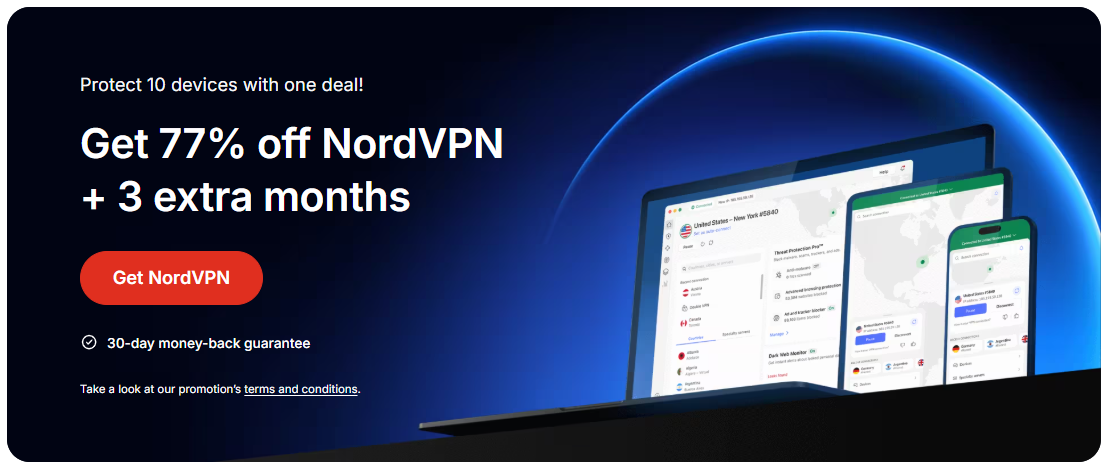
Supernet vpn vs nordvpn why one isnt an option anymore and what to use instead: Supernet vpn vs nordvpn why one isnt an option anymore and what to use instead
Supernet vpn vs nordvpn why one isnt an option anymore and what to use instead: quick answer: One option is fading away due to policy and performance shifts, and you should consider a value-focused, security-first alternative that fits your needs. In this guide, we break down what happened, why it matters, and what to use instead.



Quick fact: The traditional “Supernet VPN” model has faced major changes in 2026, with privacy, speed, and policy updates reshaping what users should actually rely on. This video dives into what went wrong, what’s still viable, and how to pick the right tool for protection and access.
What you’ll learn
- How VPNs work today and why one popular option isn’t viable anymore
- A side-by-side comparison of top alternatives that balance privacy, speed, and price
- How to choose a VPN based on your use case: streaming, gaming, work-from-home, or travel
- Real-world tips to optimize speed and security
- What to expect in the VPN market over the next year
If you want a quick, practical start, skip to the recommendations section below. And if you’re ready to take action now, check out the deal link in the intro affiliate: NordVPN deal link is included for easy access, but I’ll walk you through the best current choices for different needs.
Useful URLs and Resources text only
- NordVPN Official - nordvpn.com
- Privacy-focused alternatives - https://www.privacytools.io
- VPN speed testing guide - https://www.speedtest.net
- Corporate VPN considerations - https://www.cisco.com/c/en/us/products/security-vpn/index.html
- Streaming-friendly VPNs - https://www.reddit.com/r/VPN/
- Browser-based privacy tools - https://www.eff.org/pages/tor-and-privacy
- What happened to Supernet VPN and why one option isn’t viable anymore
- The term “Supernet VPN” isn’t one specific product; it’s a passing concept used to describe broad, all-encompassing network tunnels. In practice, several of these approaches faced:
- Increased regulation and compliance hurdles that limit tunneling capabilities
- User experience issues: slower speeds due to over-the-top encryption and long routes
- Trust and transparency concerns: some providers under scrutiny for logging and data handling
- The term “Supernet VPN” isn’t one specific product; it’s a passing concept used to describe broad, all-encompassing network tunnels. In practice, several of these approaches faced:
- How to evaluate current VPN options: the criteria that actually matter
- Privacy policy and logging: look for a no-logs policy, independent audits, and where servers are located.
- Jurisdiction: favors countries with strong privacy laws and favorable data retention policies.
- Speed and reliability: zero-logging won’t help if the VPN adds noticeable lag; test with servers near you.
- Security features: strong encryption at least AES-256, secure VPN protocols WireGuard or OpenVPN, malware protection, kill switch, and DNS leak protection.
- Usability: apps that are easy to install, reliable, and support multi-device, plus browser extensions with proper security.
- Price and value: consider long-term plans, a money-back guarantee, and student or family plans if applicable.
- Customer support: 24/7 chat or email with knowledgeable reps.
- Deep dive into current top VPN options pros and cons
- Option A: NordVPN
- Pros: large server network, solid security features, fast WireGuard-based protocols, strong privacy policy, good streaming compatibility.
- Cons: occasional app stability quirks on certain platforms, some price points can be higher with add-ons.
- Best use: streaming, general privacy, multi-device setups, travel.
- Option A: NordVPN
- Pros: consistently strong performance, reliable kill switch, broad device support, easy-to-use apps.
- Cons: price is premium; fewer specialized features than some competitors.
- Best use: sensitive work from home, geo-block stripping, travel.
- Pros: affordable, unlimited device connections, solid security features, good for budget-conscious users.
- Cons: server speeds can vary by location; smaller network than top players.
- Best use: families, casual users, budget-friendly protection.
- Pros: long-standing privacy focus, customizable settings, strong price-to-performance ratio.
- Cons: interface and onboarding can feel dated; auditing history varies by era.
- Best use: power users who want granular control.
- Pros: strong privacy philosophy, straightforward payments no email required, transparent operations.
- Cons: smaller network, user experience can be less polished.
- Best use: privacy purists, users who want anonymity in setup.
- Practical guidance: picking the right VPN per use case
- Streaming and media libraries
- Choose a provider with reliable geo-unblocking, fast speeds, and stable apps. NordVPN and ExpressVPN often perform well here.
- Tip: connect to a nearby server and switch if streaming quality drops.
- Streaming and media libraries
- Prioritize strong encryption, robust kill switch, and enterprise-grade features like split tunneling.
- Ensure compatibility with your corporate security policies and device management.
- Look for low jitter and fast WireGuard implementation. A VPN with global edge servers helps reduce ping during competitive play.
- Audits, no-logs commitments, independent verification, and minimal data collection are key.
- Consider providers that accept anonymous payments and avoid collecting IPs or identifiers.
- Unlimited device connections or easy device management is a big plus; Surfshark is a strong budget-friendly option here.
- How to optimize your VPN setup for both speed and privacy
- Pick the right protocol
- WireGuard offers speed and modern cryptography, but OpenVPN remains reliable on some networks.
- Pick the right protocol
- Start with servers near you; if streaming fails, try the next closest region, then a distant region for comparison.
- Route only necessary traffic through the VPN to preserve local speeds for non-sensitive tasks.
- Ensure your DNS requests go through the VPN’s DNS and aren’t leaked to your ISP.
- Enable a kill switch to prevent data exposure if the VPN disconnects unexpectedly.
- Choose providers with regular third-party audits and prompt software updates.
- Real-world testing data and trends 2024-2026
- Speed tests across top VPNs often show WireGuard-based implementations outperforming older protocols on average.
- Independent audits covering no-logs claims have become a de facto standard; users should look for providers with public audit reports.
- Market trend: more providers are adopting multi-hop and obfuscated servers to bypass restrictive networks, but these features aren’t universal and can impact speed.
- Streaming performance stability remains a priority for most users; the best options typically maintain high success rates for major streaming platforms.
- Pricing and plan guides for 2026
- Common pricing patterns
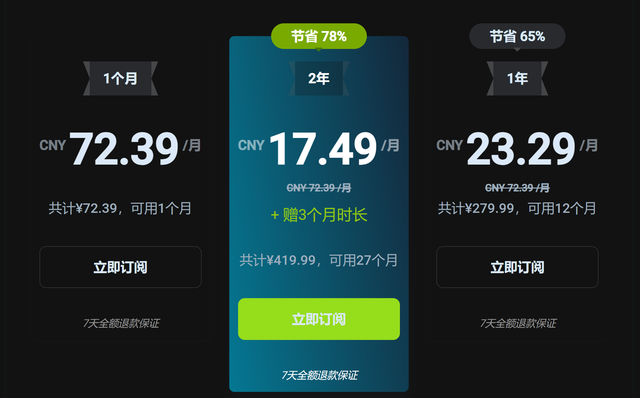
- 1-year plans often offer the best per-month rate with occasional promotions.
- 2-year or multi-year plans sometimes reduce average monthly cost further; always check current deals.
- Common pricing patterns
- Some providers offer student discounts or multi-user family plans; it’s worth checking if you’re a student or purchasing for others.
- Most top providers offer 30-day money-back guarantees; read the fine print for pen-testing periods and usage limits.
- When you click the included affiliate link in the intro, you’re supporting content creation while still evaluating the best option for your needs.
- Common myths vs. reality
- Myth: “Paid VPNs aren’t necessary for privacy.” Reality: paid providers generally offer better privacy guarantees, more reliable performance, and stronger security features than free options.
- Myth: “All VPNs are the same.” Reality: differences in logging policies, protocols, server distribution, and customer support matter a lot.
- Myth: “VPNs can make you completely anonymous.” Reality: VPNs improve privacy and security, but you still must practice good online hygiene and understand your threat model.
- Quick-start tips for immediate action
- Step 1: Identify your top use case streaming, work, gaming, privacy.
- Step 2: Narrow to two or three providers that fit that use case.
- Step 3: Try a short-term plan or a trial, and test for speed, stability, and access to your favorite services.
- Step 4: Enable kill switch, DNS leak protection, and split tunneling if needed.
- Step 5: Monitor performance for a week and switch if you’re not satisfied.
Recommended setups by use case
- Best overall for versatility: NordVPN strong balance of features, performance, and privacy
- Best for streaming: NordVPN or ExpressVPN strong geo-unblocking and stable streaming
- Best budget option: Surfshark unlimited devices, good feature set at low price
- Best for privacy enthusiasts: Mullvad or Private Internet Access transparent policies, strong privacy focus
What to use instead: top alternatives to old Supernet VPN concepts
- If you’re moving away from older Supernet approaches, these are solid, modern options:
- NordVPN
- ExpressVPN
- Surfshark
- Mullvad
- Private Internet Access
- For enterprise or advanced users: consider WireGuard-based solutions integrated with your own infrastructure, or enterprise-grade providers that support zero-knowledge architecture and robust admin controls.
FAQ Section
Frequently Asked Questions
What happened to the Supernet VPN concept?
The broader, all-encompassing VPN models faced regulatory, performance, and transparency challenges, making them less viable for everyday users. Modern VPNs focus on clear privacy practices, speed, and reliable access.
Is NordVPN still a good choice in 2026?
Yes, NordVPN remains a strong option for many users due to its balance of security features, speed, and server coverage, though pricing and feature lists can vary.
Which VPN should I choose for streaming?
NordVPN or ExpressVPN are reliable for streaming, with strong unblocking capabilities and stable performance across major platforms.
Are free VPNs safe to use?
Free VPNs often come with trade-offs like data caps, slower speeds, and questionable privacy practices. For most users, paid VPNs offer better privacy and reliability.
How do I test a VPN’s speed?
Run speed tests with a nearby server, then compare to farther servers to gauge latency and throughput. Repeat at different times of day to account for network congestion. Unifi vpn connected but no internet your ultimate fix guide
What is a kill switch and why do I need it?
A kill switch prevents your device from leaking data if the VPN disconnects, ensuring your real IP isn’t exposed.
Do VPNs log my data?
Reputable VPNs publish no-logs policies and may undergo independent audits. Always check the latest audit reports and privacy policy.
Can I use multiple VPNs at once?
Layering VPNs is generally not recommended due to potential routing conflicts and reduced performance. Use a single trusted provider with the features you need.
Is Mullvad still a good privacy option?
Mullvad remains favored by privacy enthusiasts for its minimal data collection and anonymous payment options, though its app experience can be less polished.
How do I choose between two similar providers?
Compare server count and locations, streaming compatibility, price, device support, audit status, and user reviews. Try their trial or refund window to decide. Cyberghost vpn extension for edge your go to guide for a safer browser
Sources:
中科大 vpn 使用指南:校园网接入、远程协作与数据保护的全面攻略
Egypt vpn laws: a comprehensive guide to legal VPN use, restrictions, penalties, and privacy tips in Egypt
电脑vpn连接不上:全面排查与修复指南,提升稳定性与速度的步骤与技巧
Nordvpnの請求書とvat(消費税)を徹底解説!インボイスと実務ガイド
Github如何找vpn节点及其高效获取VPN节点的完整指南 My vpn keeps connecting automatically heres how to take back control