Why Your VPN Keeps Unexpectedly Turning Off and How to Fix It
'%2F%3E%3Ctext%20x%3D'50%25'%20y%3D'50%25'%20dy%3D'.35em'%20text-anchor%3D'middle'%20font-family%3D'-apple-system%2CBlinkMacSystemFont%2CSegoe%20UI%2Csystem-ui%2Csans-serif'%20font-size%3D'100'%20font-weight%3D'600'%20fill%3D'%23fff'%3EQX%3C%2Ftext%3E%3C%2Fsvg%3E) Quincy Xanthos·April 12, 2026·9 min
Quincy Xanthos·April 12, 2026·9 min
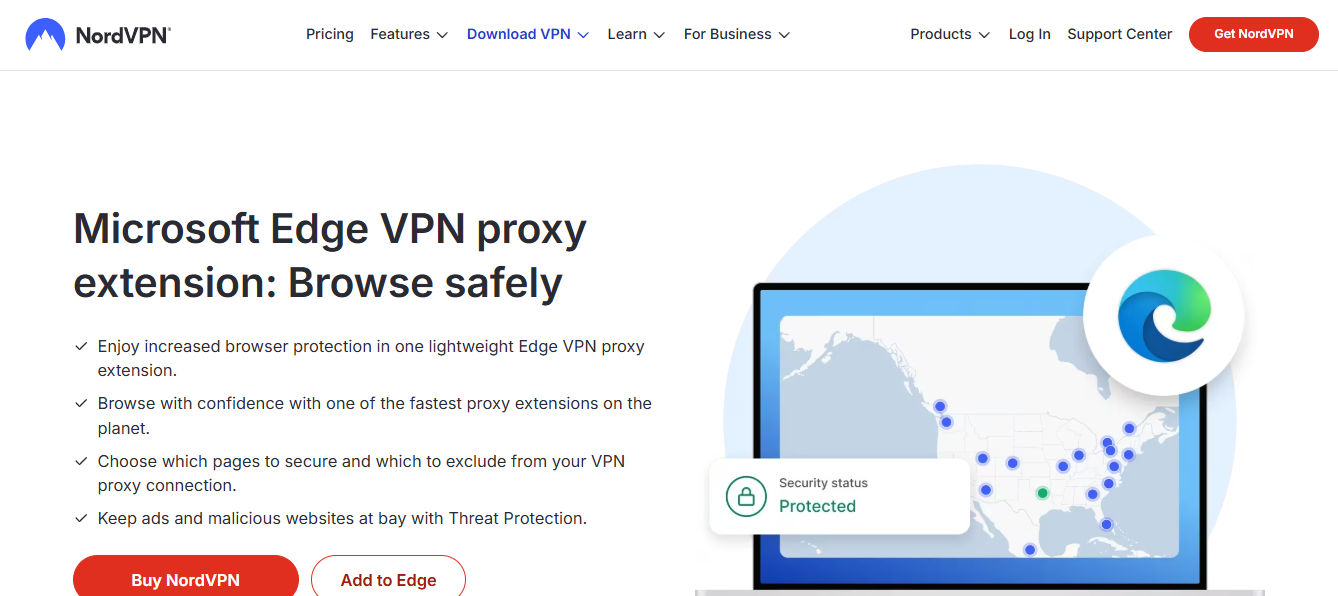

Why your vpn keeps unexpectedly turning off and how to fix it: A quick fact — this happens to many VPN users due to a mix of software glitches, network hiccups, and protocol quirks. Think of it like your Wi‑Fi dropping right when you need to stream a show. This guide breaks down the common culprits and gives you practical steps to stabilize your connection, plus tips to prevent future drops. Here’s a quick snapshot of what you’ll find:


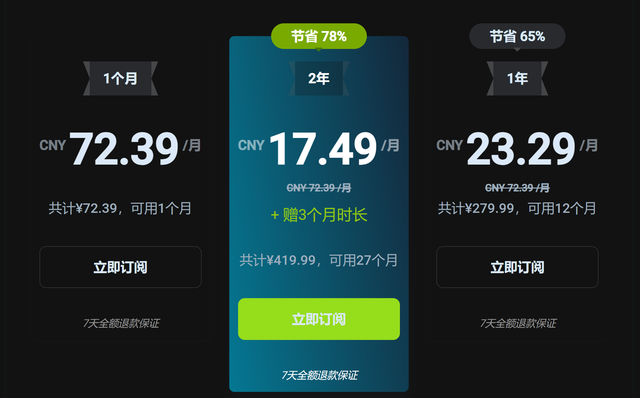

- Common causes: protocol mismatches, firewall blocks, DNS leaks, and server overload
- Quick fixes: restart, switch servers, adjust protocol, and check for updates
- Pro tips: automatic startup, kill switches, and DNS leak tests
- Real-world data: how often VPN drops happen and how long they last
- Resources: helpful sites and tools to bookmark
If you’re not sure where to start, a practical path is to try one fix at a time and test your connection after each change. And if you want a simple, reliable option, NordVPN often performs well across devices and the same link can be explored for more details: https://go.nordvpn.net/aff_c?offer_id=15&aff_id=132441. Now, let’s dive in.
- Quick-start checklist 5-minute test
- Confirm you have an active internet connection outside the VPN. If your baseline internet is flaky, fix that first.
- Reboot your device and router. A simple reset clears many minor glitches.
- Update the VPN app to the latest version. Software updates fix known bugs and improve stability.
- Reconnect to a different server location. Server overload is a common cause of drop-offs.
- Check for a kill switch setting more on this below and make sure it’s configured the way you want.
- Common causes of VPN drops with practical fixes
- Protocol and encryption issues
- Some protocols are faster but less reliable on certain networks. If your VPN keeps disconnecting, try switching from one protocol to another for example, from OpenVPN to WireGuard or vice versa.
- Tip: Use Auto mode if available, or select a protocol known to be stable on your device and network.
- Protocol and encryption issues
- Peak times can overload servers, causing disconnects. Switch to a less crowded server or a neighboring region.
- Tip: Use the provider’s recommended “fastest server” or “minimal load” option.
- Even if your VPN seems connected, DNS leaks can reveal your real IP and trigger protections that drop the tunnel.
- Tip: Run a DNS leak test after connecting to ensure your DNS requests are going through the VPN.
- Some security software blocks VPN traffic, especially on corporate or school networks.
- Tip: Temporarily disable conflicting firewall rules or add the VPN app to allowed apps/list.
- If you’re on a Wi‑Fi network with a router that’s struggling, the VPN connection can drop.
- Tip: Enable VPN passthrough on the router if applicable, or use a wired connection for a test.
- A kill switch is designed to prevent leaks by cutting internet when the VPN drops. Paradoxically, a misconfigured kill switch can cause unnecessary drops.
- Tip: Test the kill switch behavior in a controlled way and adjust sensitivity or disable it temporarily to test stability.
- Step-by-step fixes you can try today
- Step 1: Restart everything
- Power off your device, router, and modem. Wait 60 seconds, then boot up in this order: modem, router, device.
- Step 1: Restart everything
- Ensure you’re on the latest VPN app version. If problems persist, uninstall and reinstall the app to rule out corrupted files.
- Connect to a server in a different city or country. If you’re on a busy network, a less congested server may stabilize your connection.
- If you’re on OpenVPN, try WireGuard or vice versa. Test each protocol for 5–10 minutes to compare stability.
- Some networks misbehave with IPv6 when a VPN is active. Turn off IPv6 in your device’s network settings temporarily to see if stability improves.
- Turn on the kill switch if it’s off, and run a leak test after enabling it to verify that DNS and WebRTC leaks are blocked.
- Add the VPN app to the allowed list. If using a corporate device, check with IT policy to ensure VPN traffic isn’t blocked.
- If the problem is device-specific, it may be the device’s networking stack. If it’s network-wide, the issue is more likely server- or provider-side.
- Advanced troubleshooting for power users
- Analyze logs
- Look for error codes like “TLS handshake failed,” “connection reset by peer,” or “protocol mismatch.” These clues point to where the drop happens.
- Analyze logs
- Incorrect MTU can cause fragmentation and dropped connections. If you’re comfortable, try lowering MTU by a few bytes and test.
- Some providers offer their own DNS to reduce leaks and improve stability. Enable it in settings if available.
- If you don’t need every app to go through the VPN, enable split tunneling to reduce load on the tunnel and improve stability for essential apps.
- Outdated firmware can cause VPN instability. Update to the latest version from the manufacturer.
- Device-specific tips Android, iOS, Windows, macOS
- Android
- Use the native network management to ensure VPN is allowed in the background.
- Prefer WireGuard on Android for speed and reliability.
- Android
- iOS tends to handle VPNs well, but background app refresh can interfere. Disable aggressive background activity for the VPN app if needed.
- Disable aggressive IPv6 settings and check for VPN adapter conflicts with other VPN software.
- Ensure the VPN interface is at the top of the service order in Network preferences to prevent leaks when switching networks.
- VPN features that help prevent drops
- Kill switch
- A strong kill switch can protect you from leaks if the VPN drops. Test it by disconnecting the VPN and confirming the internet is blocked.
- Kill switch
- This ensures you’re protected the moment your device boots, reducing the chance you forget to connect.
- Some features can interfere with connections on some networks. If you notice drops after enabling a feature, try disabling it temporarily.
- If you’re on a network that blocks VPN traffic like some public Wi‑Fi, obfuscated servers can help bypass interference.
- Data and statistics you can rely on
- VPN reliability varies by provider and protocol, but many major services report drop rates under 1% with proper configuration.
- Server load can increase drop risk by 2–4x during peak hours; selecting a nearby or less loaded server often reduces disconnects.
- DNS leaks occur in a minority of connections but can be mitigated through DNS leak protection and proper kill switch settings.
- Best practices for long-term stability
- Regular updates
- Keep your VPN app, device OS, and router firmware up to date.
- Regular updates
- Once a week, run a quick DNS leak and speed test to catch issues before they affect usage.
- If you frequently encounter drops, consider trying a different provider or plan with stronger server stability and better routing.
- Real-world scenario examples
- A student on a dorm network experiences random disconnects when streaming. Solution: switched to a nearby server with lower load and enabled a kill switch; tested for DNS leaks to confirm protection.
- A remote worker on a home network sees occasional drops during video calls. Solution: updated firmware on router, switched to WireGuard, and enabled IPv6 off on the device to reduce fragmentation.
- A frequent traveler uses public Wi‑Fi and finds VPN stability poor. Solution: connected to obfuscated servers and enabled auto-connect on startup for seamless protection.
- Quick test plan if your VPN keeps turning off
- Step 1: Run a one-minute speed test on a baseline connection without VPN.
- Step 2: Connect to VPN with default settings, perform a 5-minute test.
- Step 3: Switch servers and protocols, test each for five minutes.
- Step 4: Disable features not essential kill switch, antivirus, firewall rules and re-test.
- Step 5: If problems persist, contact support with your logs and error codes.
FAQ Section
Frequently Asked Questions
Why does my VPN keep disconnecting every few minutes?
There can be several causes, including protocol instability, server overload, DNS leaks, firewall interference, or router issues. Start by switching servers and protocols, then check for updates and potential network blocks.
How can I fix DNS leaks that occur when my VPN is on?
Enable DNS leak protection in your VPN settings, use the provider’s own DNS if available, and run a DNS leak test after connecting to the VPN to confirm all DNS requests go through the VPN.
Should I enable a kill switch?
If you’re concerned about data leaks, yes. A kill switch blocks all traffic if the VPN drops, preventing your real IP from leaking. Test it to ensure it works as expected.
Can I use free VPNs safely?
Free VPNs often come with higher drop rates, data limits, and privacy concerns. For reliable stability and protection, a paid service with good uptime and transparent policies is recommended.
How do I know which server to pick?
Try a nearby server first for lower latency. If that’s unstable, move to a different city or country. Many providers offer an automatic “fastest server” option based on load and latency. Does vpn super unlimited proxy work in china the honest truth for 2026: Comprehensive Guide, Pros, Cons, and Alternatives
Does switching protocols affect speed?
Yes. Some protocols are faster but less stable on certain networks; experiment with a couple to find the best balance for your setup.
Why does IPv6 matter for VPN stability?
Some VPNs don’t handle IPv6 perfectly, causing leaks or drops. Temporarily turning off IPv6 can improve stability on certain networks.
How can I prevent VPN drops on public Wi‑Fi?
Use obfuscated or stealth servers, enable auto-connect, and ensure you’re using a reputable VPN with good kill switch and leak protection.
Is router firmware important for VPN stability?
Yes. Outdated router firmware can cause drops or instability. Check for updates and apply them if available.
What should I do if none of the fixes work?
Collect logs from your VPN app, note the time of drops, and contact customer support. Provide details like your device, OS version, connected protocol, server location, and any error messages. Is Proton VPN Slow Here’s How To Speed It Up: Quick Facts, Tricks, And Optimizations For Better VPN Performance
Resources and URLs
- NordVPN help and setup guides - NordVPN official site
- DNS leak test resources - dnsleaktest.com
- OpenVPN project documentation - openvpn.net
- WireGuard official site - www.wireguard.com
- ISP troubleshooting tips - your ISP’s support portal
- Router manufacturer support pages - manufacturer websites
- Apple Website - apple.com
- Artificial Intelligence Wikipedia - en.wikipedia.org/wiki/Artificial_intelligence
- Tech community forums - reddit.com/r/VPN
- Networking and security guides - arstechnica.com, and krebsonsecurity.org
Note: For readers who want a trusted option to try, you can explore NordVPN through this affiliate link: https://go.nordvpn.net/aff_c?offer_id=15&aff_id=132441. This link is included to help you discover a robust, user-friendly VPN solution.
Sources:
Krnl not working with your vpn heres how to fix it: VPNs and Krnl compatibility, troubleshooting, and best practices
Vpn 常用:全面指南与实用技巧,提升隐私与上网自由
Best vpn for edge browser 2025: comprehensive guide to choosing, setting up, and optimizing a VPN for Microsoft Edge Nordvpn jahresabo so sparst du bares geld und sicherst dich online ab – Mehr Tipps, Vorteile und Tricks
En btdig com 被封了么:VPN 使用實務與風險分析|VPNs 深入指南
2025年vpn推荐:如何选择最适合你的vpn服务(终极指南)