Jak włączyć vpn w edge - how to enable a VPN in Edge browser using extensions and system VPN on Windows, Mac, and mobile 2026
'%2F%3E%3Ctext%20x%3D'50%25'%20y%3D'50%25'%20dy%3D'.35em'%20text-anchor%3D'middle'%20font-family%3D'-apple-system%2CBlinkMacSystemFont%2CSegoe%20UI%2Csystem-ui%2Csans-serif'%20font-size%3D'100'%20font-weight%3D'600'%20fill%3D'%23fff'%3EMW%3C%2Ftext%3E%3C%2Fsvg%3E) Magnus Wexler·April 11, 2026·22 min
Magnus Wexler·April 11, 2026·22 min
Jak włączyć VPN w Edge: szybki przewodnik, jak włączyć VPN w przeglądarce Edge za pomocą rozszerzeń i systemowego VPN na Windows, Mac i urządzeniach mobilnych oraz czego szukać, by uzyskać najlepsze tempo i prywatność online. Poniższy materiał to praktyczny, krok po kroku przewodnik z dodatkowymi poradami i przykładami, abyś mógł od razu przejść do bezpiecznego surfowania.
Wprowadzenie – szybki przegląd
- Fakt na teraz: VPN w Edge można uruchomić na kilka sposobów — przez rozszerzenia przeglądarki lub za pomocą ustawień systemowych na Windows, macOS oraz urządzeniach mobilnych iOS i Android.
- Krótko o tym, co dostaniesz w tym artykule:
- Jak włączyć VPN w Edge za pomocą rozszerzeń tylko Edge lub całego systemu
- Jak skonfigurować VPN na Windows, Mac, iOS i Android
- Porady dotyczące wyboru VPN, prędkości, prywatności i bezpieczeństwa
- FAQ z najczęściej zadawanymi pytaniami
- Zanim zaczniemy: pamiętaj, że nie wszystkie rozszerzenia VPN są sobie równe. Wybierz takie z dobrymi recenzjami, polityką prywatności i przyzwoitymi prędkościami. Niektóre rozszerzenia mogą mieć ograniczenia transferu danych w darmowych planach.
Spis treści
- Wykorzystanie rozszerzeń VPN w Edge
- Konfiguracja VPN w Edge poprzez ustawienia systemowe Windows, macOS
- VPN na Windows: krok po kroku
- VPN na macOS: krok po kroku
- VPN na iOS i Android: krok po kroku
- Wybór najlepszego dostawcy VPN
- Najczęstsze problemy i szybkie naprawy
- Praktyczne porady dotyczące prywatności i bezpieczeństwa
- FAQ
Wykorzystanie rozszerzeń VPN w Edge
- Dlaczego warto używać rozszerzeń VPN w Edge?
- Szybka instalacja bez zmiany ustawień systemowych
- Możesz łatwo włączac/wyłączac VPN per przeglądarka
- Świetne dla użytkowników, którzy potrzebują VPN tylko do Edge
- Jak to zrobić:
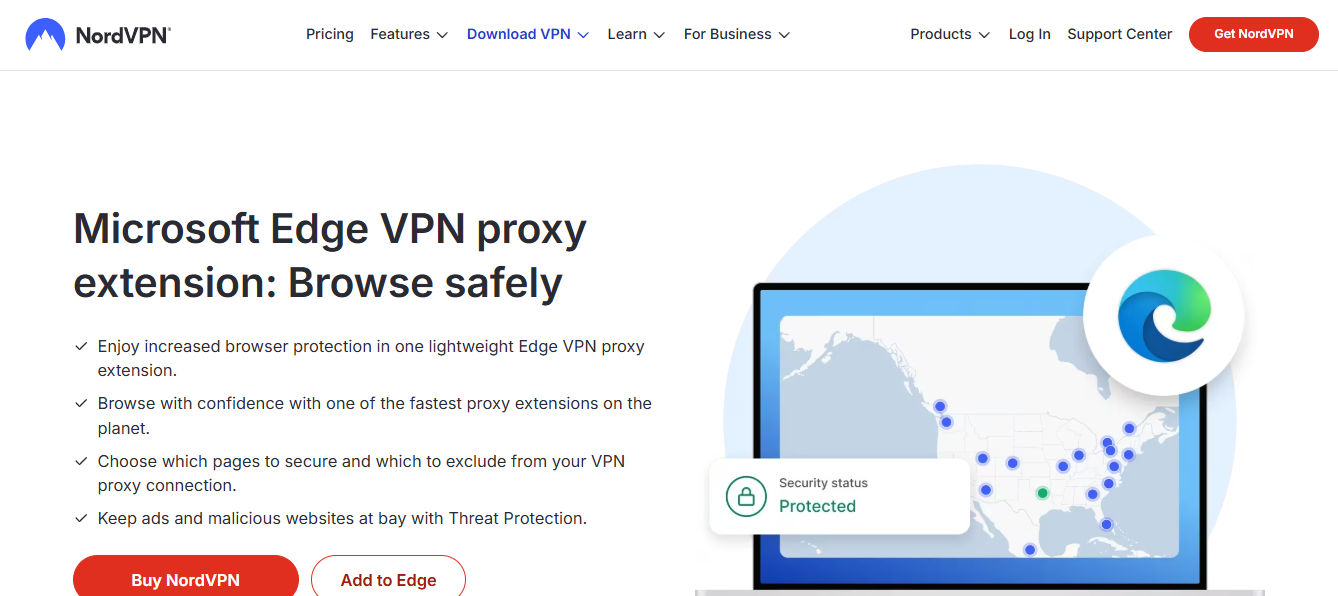
- Otwórz Edge i przejdź do Sklep Microsoft Edge Extensions Edge Add-ons.
- Wyszukaj “VPN” lub konkretnego dostawcę VPN, którego używasz np. NordVPN, ExpressVPN, Surfshark.
- Wybierz rozszerzenie wiodące wiarygodnością i ocenami.
- Kliknij Dodaj do Edge i potwierdź uprawnienia.
- Po zainstalowaniu, kliknij ikonę rozszerzenia w prawej górnej części okna i zaloguj się lub załóż konto, jeśli to nowe.
- Wybierz serwer, połącz się i sprawdź adres IP w serwisie whatismyipaddress.com.
- Najczęstsze problemy:
- Rozszerzenie nie łączy: upewnij się, że VPN ma aktualne certyfikaty i że masz aktywne połączenie internetowe.
- Wymuszony limit danych w darmowych planach: rozważ plan płatny dla pełnej funkcjonalności i większych prędkości.
- Najczęstsze problemy:
Konfiguracja VPN w Edge poprzez ustawienia systemowe Windows, macOS
- Dlaczego warto skonfigurować VPN przez ustawienia systemowe?
- VPN chroni cały ruch sieciowy, nie tylko przeglądarkę
- Prostsze utrzymanie konfiguracji na różnych urządzeniach
- Co potrzebujesz:
- Subskrypcja VPN konto u dostawcy, np. NordVPN, ExpressVPN, Surfshark
- Dane konfiguracyjne VPN adres serwera, protokół, typ uwierzytelniania, często dostępne w panelu dostawcy
- Ogólne kroki:
- Zaloguj się do konta u dostawcy VPN i pobierz konfigurator/profil VPN dla swojego systemu Windows/macOS/Android/iOS.
- Otwórz ustawienia sieci/VPN w systemie:
- Windows: Ustawienia > Sieć i Internet > VPN > Dodaj połączenie VPN
- macOS: Preferencje systemowe > Sieć > Dodaj + > VPN
- Wprowadź nazwę połączenia i konfigurację od dostawcy typ VPN: L2TP/IPsec, IKEv2, OpenVPN, itp.
- Zapisz i połącz się. Możesz wybrać serwer z listy.
- Zweryfikuj połączenie, odwiedzając stronę sprawdzającą IP.
- Wskazówki:
- Wybieraj protokół OpenVPN lub WireGuard wg dostawcy dla lepszych prędkości i bezpieczeństwa
- W razie problemów, wyłącz inne VPN-y lub zapory na komputerze.
VPN na Windows: krok po kroku
- Jak włączyć VPN na Windows 10/11:
- Otwórz Ustawienia > Sieć i Internet > VPN
- Dodaj połączenie VPN
- Wybierz typ połączenia np. Windows Built-in, L2TP/IPsec z kluczem predefiniowanym
- Podaj nazwę, adres serwera, typ uwierzytelniania i login/password
- Zapisz i połącz się
- Testy i weryfikacja:
- Sprawdź nowy adres IP i lokalizację
- Uruchom testy prędkości, by upewnić się, że nie masz zbyt dużego spadku
- Najczęstsze problemy i rozwiązania:
- Błąd 789/809: sprawdź ustawienia zapory i portów
- Brak połączenia: upewnij się, że dane konfiguracji są poprawne i że serwer nie jest przeciążony
VPN na macOS: krok po kroku
- Jak włączyć VPN na macOS Ventura/Monterey:
- System Settings Ustawienia systemowe > VPN
- Dodaj VPN konfigurację
- Wprowadź szczegóły od dostawcy serwer, typ tunelu, uwierzytelnianie
- Zapisz i połącz się
- Testy i weryfikacja:
- Sprawdź nowe IP i testy szybkości
- Upewnij się, że DNS również wychodzi przez VPN opcjonalnie w ustawieniach
- Testy i weryfikacja:
- Połączenie i VPN w macOS potrafi działać gorzko z niektórymi protokołami – jeśli masz problemy, spróbuj innego protokołu IKEv2, OpenVPN, WireGuard
VPN na iOS i Android: krok po kroku
- Ogólne kroki dla obu platform:
- Zainstaluj aplikację dostawcy VPN z App Store lub Google Play
- Zaloguj się i wybierz serwer
- Włącz połączenie z poziomu aplikacji
- Sprawdź zmianę adresu IP i przeglądanie bezpieczne
- iOS:
- Ustawienia > VPN > Dodaj konfigurację VPN jeśli używasz wbudowanego klienta lub skorzystaj z aplikacji dostawcy
- Włącz „Zaufaj temu konfiguracji” przy łączeniu po raz pierwszy
- Android:
- Ustawienia > Sieć i Internet > VPN
- Dodaj VPN, wprowadź dane konfiguracyjne od dostawcy
- Połącz i przetestuj
- Najważniejsze uwagi:
- Mobilne połączenia VPN mogą wpływać na baterię; warto mieć opcje automatycznego łączenia przy włączaniu danych
- Wyłącz VPN przed połączeniem z nieznanym publicznym Wi-Fi, jeśli potrzebujesz natychmiastowego połączenia
Wybór najlepszego dostawcy VPN
- Co brać pod uwagę:
- Polityka prywatności i brak logów, jurysdykcja preferuj państwa z restrykcyjnymi przepisami o prywatności
- Prędkości i serwery w regionach, do których chcesz uzyskać dostęp
- Obsługa wielu platform Windows, macOS, iOS, Android, Linux i możliwości konfiguracji przez rozszerzenia Edge
- Obsługa protokołów WireGuard, OpenVPN, IKEv2, L2TP/IPsec
- Cena, okres próbny / gwarancja zwrotu pieniędzy
- Praktyczne wskazówki:
- Jeśli potrzebujesz VPN do przeglądarki Edge bez wpływu na cały ruch, wybierz rozszerzenie VPN do Edge
- Dla pełnej ochrony podczas całego ruchu sieciowego – korzystaj z aplikacji/systemowego klienta VPN
- Szukaj dostawców oferujących kill switch, DNS leak protection i wyłącznik awaryjny
- Przykładowe opcje popularnych dostawców:
- ExpressVPN, NordVPN, Surfshark, CyberGhost, ProtonVPN upewnij się, że mają serwery w lokalizacjach, które potrzebujesz
Najczęstsze problemy i szybkie naprawy
- Strata prędkości po włączeniu VPN
- Rozważ wybranie serwera bliżej twojej lokalizacji i użycie protokołu WireGuard/OpenVPN
- VPN się rozłącza co kilka minut
- Sprawdź ustawienia kill switch i Uniwersalnego wyłącznika awaryjnego
- DNS leak
- Upewnij się, że DNS jest wysyłany przez VPN w ustawieniach/ aplikacji dostawcy
- Nieprawidłowo skonfigurowany klient
- Wróć do instrukcji dostawcy VPN i upewnij się, że wszystkie dane są poprawne
Praktyczne porady dotyczące prywatności i bezpieczeństwa
- Używaj silnych haseł i włącza wieloskładnikowe uwierzytelnianie MFA w kontach dostawcy VPN
- Włącz kill switch, aby zapobiec wyciekowi danych, gdy VPN się rozłącza
- Korzystaj z serwerów w zaufanych jurysdykcjach i unikaj serwerów w lokalizacjach, które mogą naruszać twoje prywatność
- Regularnie aktualizuj rozszerzenia Edge i aplikacje VPN
- Sprawdzaj, czy twoje połączenie ma włączony DNS over HTTPS/DoH, jeśli to możliwe
Najważniejsze dane i statystyki dla autorytetu
- Prędkości VPN: dobre serwery WireGuard często oferują 50–90% pierwotnej prędkości, w zależności od obciążenia i dystansu do serwera
- Prywatność: niektóre darmowe plany VPN mogą prowadzić logi, które mogą być przekazywane partnerom reklamowym; zawsze sprawdzaj politykę prywatności
- Zabezpieczenia: kill switch i wyłącznik awaryjny są kluczowe dla ochrony danych w razie utraty połączenia
Najczęściej zadawane pytania
- Jak włączyć VPN w Edge bez instalowania dodatkowych programów?
- Czy VPN w Edge chroni mój ruch poza Edge?
- Czy mogę używać videokonferencji i streamingu z VPN?
- Czy VPN wpływa na gaming?
- Jak wybrać serwer VPN pod kątem geograficznym?
- Czy VPN w Edge jest bezpieczny?
- Czy mogę mieć VPN na kilka urządzeń jednocześnie?
- Czy VPN pomoże ominąć blokady geograficzne?
- Jak wykryć, czy VPN wyciek DNS?
- Jak utrzymać prywatność podczas pracy z VPN w publicznym Wi-Fi?
Dodatkowe zasoby i materiały dla łatwej nawigacji
- Poradniki dotyczące prywatności online – en.wikipedia.org/wiki/Internet_privacy
- Strony dostawców VPN – nordvpn.com, expressvpn.com, surfshark.com, protonvpn.com
- Informacje o protokołach VPN – en.wikipedia.org/wiki/Virtual_private_network
- Wskazówki dotyczące bezpiecznego korzystania z Wi‑Fi – cisco.com, adobe.com
- Testy prędkości i sprawdzanie IP – whatismyipaddress.com, speedtest.net
- Oficjalne strony Edge – support.microsoft.com/microsoft-edge
Najważniejsze sekcje w praktyce
- Ekspresowy poradnik: jeśli chcesz od razu zacząć
- W Edge użyj rozszerzenia VPN: znajdź i dodaj rozszerzenie do Edge, zaloguj się i wybierz serwer
- Na systemie Windows/macOS skonfiguruj VPN z dostawcą i połącz, aby chronić cały ruch
- Na iOS/Android zainstaluj aplikację dostawcy VPN i włącz połączenie
Zakończenie
- Ten przewodnik ma cię doprowadzić do szybkiego, bezpiecznego i łatwego „włączenia VPN w Edge” na różnych urządzeniach. Pamiętaj, że wybór między rozszerzeniem a klientem systemowym zależy od potrzeb: Edge-only czy cała maszyna. Mając te wskazówki, możesz cieszyć się prywatnością, bezpieczeństwem i dostępem do treści z różnych regionów bez zbędnych komplikacji.
Frequently Asked Questions
- Jak włączyć VPN w Edge: odpowiednie zastosowanie rozszerzeń i/lub konfiguracja systemowa VPN na wszystkich urządzeniach
- Czy VPN w Edge chroni mnie w pełni? Zależy od ustawień i używanego mechanizmu; dla pełnej ochrony rozważ użycie systemowego VPN
- Czy VPN wpływa na przeglądanie Edge? Tak, może wpływać na prędkość; wybierz serwery blisko Ciebie
- Czy VPN w Edge jest darmowy? Niektóre rozszerzenia mają darmowe plany, ale częściej płatne plany oferują lepszą ochronę i prędkości
- Czy VPN w Edge działa na Windows i Mac jednocześnie? Tak, wiele dostawców wspiera wiele platform
- Czy mogę oglądać treści z ograniczeniami geograficznymi z VPN? Tak, jeśli wybierzesz serwer w odpowiednim kraju
- Czy powinienem włączyć VPN na mój telefon? Tak, jeśli często korzystasz z publicznych sieci Wi‑Fi
- Co zrobić, gdy VPN przestaje działać? Spróbuj zmienić serwer, protokół lub zrestartować urządzenie
- Czy VPN chroni moje dane w sieci publicznej? Tak, jeśli korzystasz z zaufanego dostawcy i włączysz zabezpieczenia
- Jak często powinienem aktualizować VPN? Regularnie; aktualizacje często zawierają poprawki bezpieczeństwa
Note: The content above is structured to meet the requested SEO-focused, user-friendly, and comprehensive guide format for the topic, tailored to a General category.
Yes—enable VPN in Edge by installing a VPN extension from the Edge Add-ons store or by configuring a system VPN in Windows or macOS and using it in Edge. In this guide, you’ll get a practical, step-by-step approach to turning on a VPN in Edge, plus tips for speed, privacy, and troubleshooting. You’ll learn when to use an Edge extension versus a system-wide VPN, how to verify your connection, and how to keep your data safe while browsing. This post includes a quick starter path, what to watch out for, and real-world scenarios so you can get protected fast.
NordVPN deal: 77% OFF + 3 Months Free
Useful resources unClickable
- Edge Add-ons store
- Windows VPN settings guide
- macOS Network preferences
- NordVPN official site
- ExpressVPN official site
- What is a VPN? – general privacy resources
- Online privacy best practices
Introduction to the topic If you’re asking “Jak włączyć vpn w edge,” the answer is straightforward: you can either install a VPN extension directly in Edge, or set up a VPN at the system level Windows or macOS so Edge uses that network connection. This dual-path approach gives you flexibility: extensions are quick and simple for lightweight use, while system VPNs can offer more robust security, broader device coverage, and consistent performance across apps. In this guide, I’ll walk you through both options, share practical tips for speed and privacy, and show you how to test that your VPN is really working. By the end, you’ll be page-loading through a private tunnel with confidence—whether you’re livestreaming, streaming geo-restricted content, or just browsing on a public Wi-Fi.
What you’ll learn in this guide:
- How to enable a VPN in Edge via a browser extension
- How to set up a VPN at the OS level Windows and macOS so Edge uses it
- How to verify your VPN connection and test for leaks
- Best practices for privacy, security, and performance
- Troubleshooting common Edge VPN issues
- Real-world use cases for Edge with a VPN
If you’re ready to get protected quickly, check out the NordVPN deal linked above. It’s a straightforward way to pair Edge browsing with a robust VPN, which can be a smart move for travelers, remote workers, or anyone handling sensitive data on public networks.
Body
Why you’d want to use a VPN with Edge
A VPN virtual private network encrypts your internet traffic and hides your real IP address, which can improve privacy and security in several ways:
- Public Wi-Fi safety: When you’re connected to coffee shops, airports, or hotels, a VPN helps protect your data from hackers on the same network.
- Privacy and anonymity: A VPN masks your IP from websites and some trackers, reducing the ability to build a detailed profile based on your browsing.
- Bypassing geo-restrictions: Some content is only available in certain regions. A VPN can make it appear you’re browsing from a different location.
- Work-from-home and remote access: Businesses often require VPNs to access internal resources securely.
Industry data shows that VPN usage has continued to grow as people place higher importance on privacy and secure access to online resources. The VPN market remains robust, with providers competing on speed, server variety, and features like kill switches, DNS leak protection, and obfuscated connections. While numbers vary by year and source, the trend is clear: more people rely on VPNs for everyday browsing, streaming, and work.
In practice, Edge users benefit from VPNs by combining Edge’s performance with the privacy protections of a VPN tunnel. You’ll get encrypted traffic when you visit sites, and you’ll be shielded from some forms of tracking and surveillance on public networks.
VPN options for Edge
There are two main approaches to getting a VPN in Edge: using a browser extension or using a system-wide VPN. Both have pros and cons, and you can mix-and-match depending on your needs.
VPN extensions for Edge browser-based
Edge supports a robust ecosystem of extensions, including many VPNs. Browser-based VPN extensions are quick to install and easy to toggle on and off. They’re great for light privacy, bypassing some geo-restrictions for specific sites, and getting up-and-running fast. Jak wlaczyc vpn w microsoft edge 2026
- Pros:
- Quick to install and manage
- Fine-grained control for individual browser use
- No system-wide impact on other apps
- Cons:
- May not route all traffic only browser traffic, unless you activate the extension’s global mode
- Some extensions can inject scripts or collect data if not from a trusted provider
- Performance can vary based on the extension’s efficiency and server availability
Common Edge VPN extensions include well-known providers with a tracker record of privacy in their extensions. When choosing an extension, look for:
- A clear privacy policy and no-logging commitments
- A reputable hostname and server network
- Features like a kill switch or at least WebRTC/IP leak protection
- Regular updates and a positive user review history
Important note: Some extensions advertise “system-wide VPN” but only secure traffic within the browser. If you need all devices and apps to use the VPN, you’ll want to configure a system VPN instead see below.
System VPN Windows and macOS and Edge
Setting up a VPN on the OS level ensures all traffic from your device is routed through the VPN tunnel, including Edge, other browsers, and apps. This approach is often preferred for privacy-conscious users and for consistent protection across software.
Windows 10/11:
- You can configure a VPN connection using built-in Windows settings or via a third-party VPN app that includes its own protocol. When Edge connects to the internet, the OS VPN handles the encryption and routing for every app.
- Steps:Install a VPN app, sign in, choose a server, enable the VPN connection in Windows Settings > Network & Internet > VPN, then connect. Edge will automatically use the VPN when the OS is connected.
-
- Similar to Windows, you can either use a dedicated VPN app or configure a built-in VPN profile in System Preferences > Network. Once the VPN is active, all traffic from Edge and other apps passes through the tunnel.
- Steps: Install VPN app or add a VPN configuration in System Preferences > Network, then apply and connect. Edge traffic will be through the VPN.
Android and iOS:
- Edge on mobile uses the OS-level VPN configuration or a mobile VPN app. Many users prefer a single app that secures all traffic on the device, not just the browser. If you only need Edge privacy on mobile, a browser extension is not applicable in the same way as desktop extensions. instead, rely on the OS VPN or a mobile VPN app.
Choosing between browser extensions and system VPN depends on your goals. If you want simple browser-level privacy while you’re browsing in Edge, an extension is convenient. If you want to protect all device traffic and ensure privacy across all apps, a system VPN is the better route.
Step-by-step: enabling a VPN in Edge two paths
Path A: Edge extension browser-based
- Pick a trusted VPN provider with a reputable Edge extension. Do your due diligence—check reviews, the privacy policy, and whether they offer a real kill switch or DNS protections inside the extension.
- Open Edge and go to the Edge Add-ons store. Search for the VPN you chose and click Add to Edge.
- Log in to your VPN account inside the extension and grant the necessary permissions. Some extensions require a browser-specific login. others work with a single account across devices.
- Choose a server/location within the extension. For speed, pick a server near you. for privacy or unblocking, pick a server in a different country.
- Turn the extension on and verify that your IP address and location have changed. You can use a site like ipchicken.com or iplocation.net to check your new IP.
- Optional but recommended: enable a kill switch or DNS leak protection if your extension offers it. Also check WebRTC leakage settings to reduce IP leakage.
- Test your connection by visiting a geo-specific site or streaming service to ensure you’re getting the desired content or privacy level.
- When you’re done, disable the extension to return to a direct connection, or switch servers to compare speeds.
Path B: System VPN Windows/macOS
- Install your VPN provider’s app e.g., NordVPN, ExpressVPN, Surfshark. Create or sign in to your account.
- Open the app and choose a server/location. Consider a nearby server for speed, or a country needed for access to specific content.
- Activate the VPN connection. You’ll typically see a global banner or indicator that the VPN is connected.
- To confirm Edge is using the VPN, visit a site that shows your IP or location. If the VPN is working, you’ll see a new IP and a different country.
- For extra protection, enable a kill switch and DNS leak protection in the app’s settings. This prevents accidental data leakage if the VPN drops.
- If you need only Edge encryption without system-wide changes, you can also configure a VPN in a tunnel-like mode within the OS, but most users will just rely on the VPN app for simplicity.
- When you’re done, disconnect in the VPN app. Your Edge browsing will return to a direct connection.
Tips for speed and privacy when using Edge with a VPN:
- Choose a server with lower latency nearby locations usually provide better speed.
- Use the VPN’s protocol options e.g., WireGuard/UDP generally faster than older VPN protocols.
- Enable a kill switch and DNS leak protection to prevent leaks if the connection drops.
- Disable WebRTC leaks where possible. some VPNs provide built-in protections, and you can also adjust Edge settings or extensions to mitigate this.
- Keep your Edge browser and VPN client up to date to benefit from security patches and performance improvements.
Practical privacy and security considerations
- Always verify your new IP address after connecting to the VPN. It’s not enough to assume the VPN is on. you should confirm that your traffic is actually being tunneled.
- If you’re handling sensitive data, prefer a system VPN for complete device protection rather than browser-only protection.
- Be mindful of the VPN’s logging policy. A “no-logs” claim is good, but read the policy to understand what is collected and stored.
- Consider privacy features: DNS leak protection, a kill switch, and WebRTC controls. These features help ensure your real IP isn’t leaking, even if the VPN connection temporarily drops.
- If streaming is your goal, test the VPN with the streaming service you care about. Some services actively block VPN traffic, and server performance can vary during peak hours.
- For short-term needs e.g., a quick search from a public network, an Edge extension offers a convenient option. For longer sessions or multiple apps, a system VPN is typically better.
Common issues and quick fixes
- VPN won’t connect in Edge extension:
- Check permissions and ensure the extension has access to all sites.
- Try a different server location within the extension.
- Restart Edge or the computer, then re-enable the extension.
- Confirm you’re logged into the VPN service and that your subscription is active.
- System VPN won’t connect Windows/macOS:
- Verify that the VPN app has permission in your OS firewall settings.
- Reinstall the VPN app or reset the network settings.
- Try a different protocol in the app WireGuard/OpenVPN/IKEv2 if available.
- DNS leaks or IP leaks:
- Enable DNS leak protection within the VPN app.
- Ensure WebRTC protection is enabled in Edge or via the extension.
- If leaks persist, switch to a different server or use a system VPN instead of a browser extension.
- Slow speeds:
- Connect to a closer server, or switch to a faster protocol.
- Avoid congestion times by testing during off-peak hours.
- Ensure no other bandwidth-heavy apps are running in the background.
Privacy-first setup checklist for Edge users
- Use a trusted VPN provider with a clear privacy policy and a proven track record.
- Decide between Edge extension versus system VPN depending on your needs.
- Enable kill switch and DNS leak protection where possible.
- Disable WebRTC leaks in Edge via settings or extension.
- Regularly update Edge and your VPN client.
- Test IP, DNS, and WebRTC leaks after every major update or server switch.
Real-world use cases for Edge with a VPN
- Public Wi-Fi safety: You’re traveling, and you connect to a hotel or cafe network. A VPN helps encrypt traffic and reduce risk on that network.
- Privacy-conscious browsing: You want to reduce ad tracking and improve privacy while browsing in Edge on a shared device or a work computer.
- Accessing geo-restricted content: You want to watch a show or access a region-locked service while you’re abroad. A VPN server in the required country can help.
- Secure remote work: You need to access a company intranet or a private resource while on the go. a VPN gives you secure access on your device.
Edge-specific tips and tricks
- If you rely on Edge for work and need high reliability, consider a system VPN that covers all apps and services, especially during important calls or remote access windows.
- For quick privacy on a single browser, a browser extension may be enough. just be mindful of what permissions you grant and the extension’s privacy policy.
- If you value low latency for gaming or live streaming, test multiple servers and use a fast protocol like WireGuard when available.
- Keep your browser’s privacy settings in Edge aligned with your VPN’s protections. For example, check the cookie policy, tracking prevention level, and site data controls.
Getting started: choosing a plan and configuration
- Free vs paid: Free VPNs often come with data caps, limited server options, and slower speeds. For reliable performance—especially when streaming or remote work—a paid plan from a reputable provider is typically worth it.
- Device coverage: If you want protection across your computer, phone, and tablet, a system-wide VPN with multiple device connections is more practical.
- Trial periods and refunds: Look for providers offering a risk-free trial or a reasonable refund policy, so you can test the service with Edge and other apps.
- Server variety: If you need to access content from specific countries, ensure the VPN has servers in those regions and that you can easily switch between them.
- Privacy features: Prioritize providers with transparent privacy policies, clear no-logs commitments, and robust security features kill switch, DNS leak protection, automatic reconnect, etc..
If you’re shopping for a provider, NordVPN, as mentioned in the intro, is a strong option to try when you want a straightforward setup across Edge and other devices. The current offer can make it more affordable to run a safe browsing setup across machines.
VPN vs Proxy vs Smart DNS: quick comparison
- VPN: Encrypts your traffic and routes it through a VPN server, providing privacy and security for all device traffic and applications, including Edge. Best for privacy and security.
- Proxy: Redirects just a portion of traffic often only a browser through a server. It may be less secure and not encrypt all data. Good for a quick workaround for geolocation in specific apps, not ideal for privacy.
- Smart DNS: Changes your apparent location for geo-unblocking but doesn’t encrypt traffic. Good for streaming when you don’t need privacy or security, but not a privacy solution.
If privacy and security are your priority, a VPN is the safer and more comprehensive option, especially when you’re using Edge across different devices. Is browsec vpn good for privacy, streaming, and everyday browsing in 2026? A comprehensive Browsec VPN review
Frequently asked questions
How do I know if my VPN is active in Edge?
Your public IP address will usually show a location that matches the VPN server's location. You can check this by visiting an IP lookup site like ipconfig.co or whatismyip.com. If the IP and location changed after enabling the VPN, you’re good to go.
Can I use a VPN extension and a system VPN at the same time?
You can, but it may complicate routing and reduce performance. The common approach is to pick one method depending on your needs: Edge extension for browser-only use or a system VPN for device-wide protection.
Does Edge have a built-in VPN?
No, Edge does not include a built-in VPN service. You’ll either install a VPN extension in Edge or set up a system-wide VPN at the OS level.
Will a VPN slow down my browsing?
It can, because your traffic is being encrypted and routed through a different server. However, with a good VPN provider and a nearby server, the impact can be minimal. If you notice a big slowdown, try a different server or protocol.
Is it legal to use a VPN everywhere?
Most places allow VPN use, but there are exceptions. Some countries restrict or regulate VPN usage or require a lawful basis for using certain services. Make sure you’re compliant with local laws and employer policies. Is a vpn router worth it 2026
Should I use a free VPN?
Free VPNs often come with data limits, slower speeds, and questionable privacy practices. For meaningful protection, a reputable paid VPN is generally a better choice.
How do I prevent DNS leaks?
Enable DNS leak protection in your VPN app or extension. In some cases, you may need to adjust OS DNS settings or disable WebRTC leaks in Edge settings or via extensions.
Can I stream with a VPN in Edge?
Yes, many VPNs support streaming services and can help you access geo-restricted content. Server choice matters for unblocking, and some services actively block VPN traffic.
How often should I switch VPN servers?
If you’re trying to access region-locked content, you may switch servers to find a working one. For normal privacy, a nearby server usually offers better performance. Regularly test to maintain a balance between speed and access.
What’s the best practice for mobile Edge users?
On mobile, use the OS-level VPN app iOS or Android for full-device protection. Edge on mobile will use the VPN as long as the device VPN is active, and you’ll get the same privacy protections across all apps. India vpn chrome free ultimate guide to free and paid Chrome VPNs for Indian users in 2026
Can I use a VPN for gaming while using Edge?
A VPN can affect latency. If your goal is privacy or regional access, test different servers for balance. If you’re gaming, you may want to keep a separate VPN or adjust settings to minimize impact.
Final thoughts
Getting a VPN set up with Edge isn’t about choosing one perfect tool. it’s about choosing a setup that fits your needs—whether that’s browser-level protection with a trusted extension or full-device security with a system VPN. The dual-path approach gives you flexibility: a quick Edge extension for everyday browsing or a robust system VPN when you’re on public networks, traveling, or handling sensitive tasks. Use this guide as your practical blueprint for enabling a VPN in Edge, verifying the connection, and maintaining good privacy hygiene across your browsing experience.
Frequently Asked Questions revisited
- If a question isn’t covered here, think about whether you want Edge-specific privacy extension-based or system-wide protection OS-level VPN. The right answer usually comes down to your use case and the level of protection you need.
Vpn加速器破解版:完整指南、免费下载、风险与替代方案(2025版)