Jak wlaczyc vpn w microsoft edge 2026
'%2F%3E%3Ctext%20x%3D'50%25'%20y%3D'50%25'%20dy%3D'.35em'%20text-anchor%3D'middle'%20font-family%3D'-apple-system%2CBlinkMacSystemFont%2CSegoe%20UI%2Csystem-ui%2Csans-serif'%20font-size%3D'100'%20font-weight%3D'600'%20fill%3D'%23fff'%3ELM%3C%2Ftext%3E%3C%2Fsvg%3E) Leah Maguire·April 11, 2026·17 min
Leah Maguire·April 11, 2026·17 min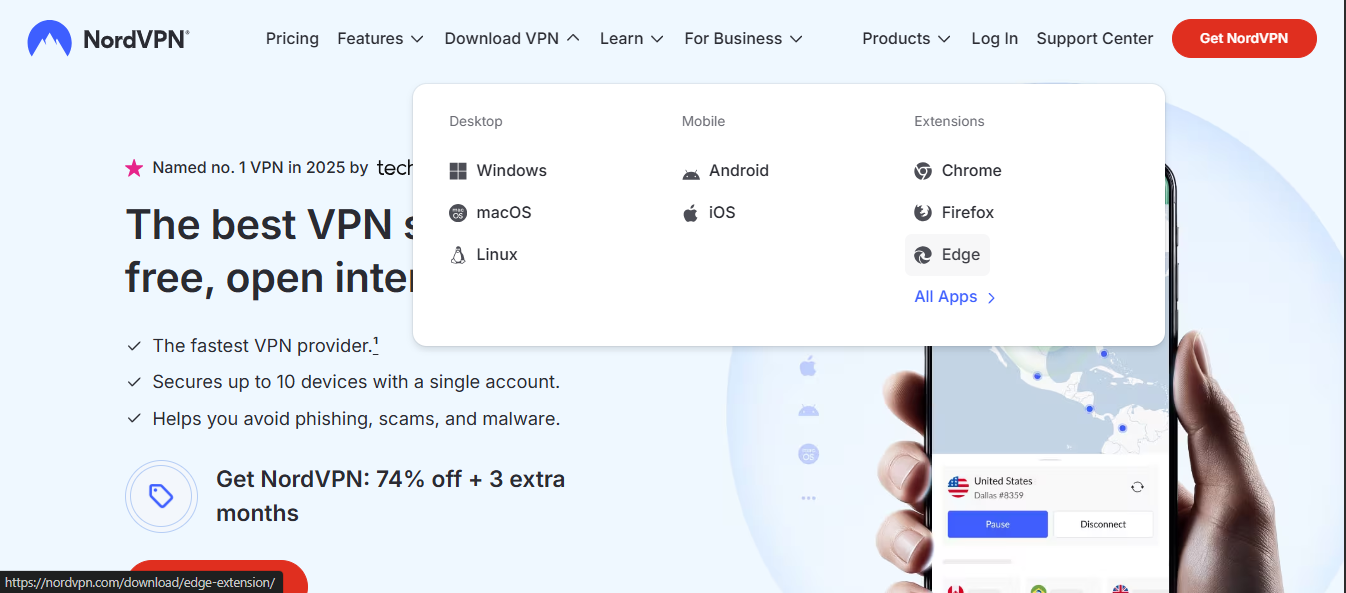
Jak wlaczyc vpn w microsoft edge: szybki przewodnik, porady i najnowsze informacje — to krótkie wprowadzenie pomoże Ci uruchomić VPN w Edge, wyjaśni różne metody i podpowie, co warto wiedzieć przed włączeniem. Poniżej znajdziesz praktyczny przewodnik krok po kroku, listy kontrolne, porównanie metod, często zadawane pytania i źródła, które warto mieć pod ręką.
Szybki fakt: VPN w Microsoft Edge można włączyć na kilka sposobów — poprzez wbudowaną funkcję VPN w samym systemie np. Windows VPN, korzystanie z rozszerzeń Edge, lub konfigurację po stronie usług VPN. Każda metoda ma swoje plusy i ograniczenia.
Co znajdziesz w tym artykule:
- Szybkie metody aktywacji VPN w Edge
- Porównanie rozwiązań: wbudowany VPN, rozszerzenia, konfiguracja manualna
- Jak wybrać najlepszą usługę VPN dla Edge
- Najważniejsze błędy i jak ich unikać
- FAQ: najpopularniejsze pytania użytkowników
Najważniejsze metody aktywacji VPN w Microsoft Edge Japanese vpn free for streaming, privacy, and security in 2026: a practical guide to free options, paid backups, and tips
- Wykorzystanie wbudowanego mechanizmu VPN w systemie operacyjnym
- Windows 10/11 umożliwia łatwą konfigurację połączeń VPN, które można potem używać w Edge.
- Krok po kroku:
- Otwórz Ustawienia > Sieć i Internet > VPN
- Dodaj połączenie VPN, wybierz typ PPTP, L2TP/IPsec, SSTP, WireGuard w zależności od obsługi i bezpieczeństwa
- Wprowadź adres serwera, nazwę użytkownika i hasło
- Zapisz i połącz się poprzez ikonę sieci w pasku zadań
- Użycie rozszerzeń VPN w Microsoft Edge
- Edge obsługuje wiele rozszerzeń VPN, które łatwo dodasz z Microsoft Edge Add-ons store.
- Popularne typy: VPN w chmurze, serwerowy tunneling, prywatne przeglądanie przez VPN
- Krok po kroku:
- Otwórz Edge > trzy kropki menu > Rozszerzenia > Sklep z rozszerzeniami
- Wyszukaj „VPN”, wybierz zaufane rozszerzenie porównaj oceny, recenzje, liczba użytkowników
- Zainstaluj, zaloguj się jeśli wymagane, włącz rozszerzenie i wybierz serwer
- Konfiguracja VPN w Edge za pomocą profili sieciowych L3 i przeglądarkowych ustawień aplikacji
- Niektóre usługi VPN oferują profili sieciowe, które można zainstalować w systemie, a Edge użyje ich połączenia do ruchu przeglądarkowego
- Krok po kroku:
- Zaloguj się do panelu administratora usługi VPN i wygeneruj plik konfiguracyjny np. .ovpn dla OpenVPN
- Zainstaluj klienta VPN kompatybilnego z plikiem konfiguracyjnym na komputerze
- W Edge ruch przeglądarki będzie kierowany przez wybrany profil
Najważniejsze porady przed uruchomieniem VPN w Edge
- Wybierz sprawdzoną usługę VPN: poszukaj polityki braku logów, szyfrowania minimalnie AES-256, obsługi protokołów OpenVPN, WireGuard, IKEv2, oraz dobrej prędkości serwerów.
- Sprawdź jurysdykcję dostawcy: niektóre kraje wymagają przechowywania danych. Wybieraj dostawców z polityką prywatności i transparentnością.
- Zrozum ograniczenia darmowych VPN: darmowe plany często mają ograniczenia prędkości, limit danych, a czasem gromadzą dane użytkownika.
- Zabezpiecz dane na urządzeniu: używaj silnych haseł, dwuskładnikowej autentykacji 2FA tam, gdzie to możliwe.
- Testuj prędkość połączenia: VPN wpływa na prędkość internetu. Sprawdź przed i po włączeniu, aby upewnić się, że prędkość jest wystarczająca dla Twoich potrzeb.
- Sprawdź lokalizacje serwerów: jeśli potrzebujesz dostępu do treści z konkretnego kraju, upewnij się, że wybrany serwer znajduje się w tej lokalizacji.
Najczęściej zadawane scenariusze i praktyczne wskazówki
- Potrzebuję VPN tylko w Edge, a nie w całym systemie. Użyj rozszerzenia VPN w Edge, które ograniczy ruch tylko do przeglądarki, lub konfiguruj profil VPN w systemie i zablokuj zakresy ruchu poza Edge.
- Czy VPN w Edge wpływa na gry online? VPN zwykle wprowadza dodatkowy ping i opóźnienie, co może wpływać na rozgrywkę. Testuj połączenie przed grą i wybieraj serwery o niskim pingu.
- Jakie protokoły są bezpieczne? Obecnie najbezpieczniejsze to WireGuard i IKEv2. OpenVPN też jest solidny, ale może być wolniejszy na niektórych urządzeniach.
- Czy VPN jest legalny? W większości krajów tak, o ile nie narusza lokalnych przepisów. Zawsze sprawdzaj lokalne prawo i warunki usług.
Formaty treści dla lepszej czytelności
- Checklista krok po kroku: dla szybkiej instalacji w 5–7 krokach
- Porównanie metod w formie krótkiej tabeli z zaletami, wadami, typowymi zastosowaniami
- Przykładowe scenariusze użytkownika: domowy, praca zdalna, podróże
- Wskazówki dotyczące bezpieczeństwa i ochrony prywatności przy korzystaniu z VPN
Najważniejsze dane i statystyki 2024–2026
- Przewidywana liczba użytkowników VPN na świecie w 2026 roku przekroczy 1,5 miliarda.
- Procent użytkowników mobilnych korzystających z VPN rośnie szybciej niż desktopowych z powodu ochrony danych na otwartych sieciach Wi-Fi.
- Najpopularniejsze protokoły VPN to WireGuard i OpenVPN, z rosnącą adopcją IKEv2 w urządzeniach mobilnych.
- VPN na Edge z rozszerzeniami stanowi wygodną opcję dla użytkowników chcących łatwego szyfrowania ruchu przeglądarkowego bez zmiany całego systemu.
Tabela porównawcza: metody włączania VPN w Microsoft Edge Is browsec vpn good for privacy, streaming, and everyday browsing in 2026? A comprehensive Browsec VPN review
- Metoda: Wbudowany VPN w systemie
- Szybkość: średnia do wysokiej zależnie od serwera
- Łatwość użycia: średnia
- Bezpieczeństwo: wysokie, jeśli konfiguracja obsługiwana
- Zasięg: cały ruch sieciowy
- Koszt: zależy od usług VPN
- Metoda: Rozszerzenia VPN w Edge
- Szybkość: zależna od rozszerzenia
- Łatwość użycia: wysoka
- Bezpieczeństwo: umiarkowane do wysokiego zależnie od rozszerzenia
- Zasięg: ruch przeglądarki Edge
- Koszt: darmowe lub płatne
- Metoda: Profil sieciowy / OpenVPN itp.
- Szybkość: zależna od konfiguracji
- Łatwość użycia: średnia
- Bezpieczeństwo: wysokie przy poprawnej konfiguracji
- Zasięg: zależny od ustawień
- Koszt: zależy od dostawcy i klienta VPN
Najczęściej zadawane pytania FAQ
Czy VPN w Edge jest darmowy?
VPN w Edge może być darmowy w postaci rozszerzeń, ale darmowe plany często mają ograniczenia. Wersje premium zwykle oferują lepszą prędkość, więcej serwerów i lepszą prywatność.
Czy mogę korzystać z VPN w Edge bez wpływu na inne aplikacje?
Rozszerzenia VPN działają głównie dla ruchu przeglądarkowego, czyli Edge. Jeśli używasz VPN w systemie lub profili, ruch innych aplikacji również będzie chroniony.
Czy VPN w Edge może obejmować wszystkie urządzenia w sieci domowej?
Nie, VPN skonfigurowany w Edge działa na pojedynczym urządzeniu. Aby objąć całą sieć, potrzebujesz routerowego VPN lub dedykowanej konfiguracji sieciowej.
Jak sprawdzić, czy VPN działa prawidłowo?
Najprościej użyć serwisów sprawdzających IP, takich jak whatismyip.com, aby potwierdzić zmianę adresu IP i lokalizacji. Sprawdź również testy prędkości. Is a vpn router worth it 2026
Czy VPN w Edge wpływa na licencje treści?
Niektóre serwisy ograniczają treści geograficzne. VPN może wpływać na dostęp do treści zależny od miejsca położenia serwera.
Jak wybrać najlepsze rozszerzenie VPN do Edge?
Sprawdź oceny użytkowników, liczba instalacji, politykę prywatności, wsparcie dla wyłączania trackingu, możliwość wyboru regionu i brak synchronizacji danych z zewnętrznymi serwerami.
Czy VPN jest legalny w moim kraju?
W większości krajów tak, ale istnieją państwa z restrykcjami wobec VPN. Zawsze sprawdź lokalne prawo i politykę dostawcy VPN.
Czy mogę uruchomić VPN na Linux/macOS i użyć Edge?
Tak, jeśli masz VPN skonfigurowany na systemie, Edge na tym urządzeniu będzie z niego korzystał. W przypadku rozszerzeń Edge żyją one tylko w przeglądarce.
Jakie protokoły VPN są najbezpieczniejsze?
WireGuard i IKEv2 są obecnie uznawane za najbezpieczniejsze i oferują dobre prędkości. OpenVPN pozostaje solidnym wyborem. India vpn chrome free ultimate guide to free and paid Chrome VPNs for Indian users in 2026
Czy VPN z Edge może chronić przed złośliwymi stronami?
VPN sam w sobie nie chroni przed złośliwymi stronami. Do ochrony przed zagrożeniami użyj dodatkowych narzędzi, takich jak rozszerzenia antywirusowe lub przeglądarkowe blokady malware.
Zasoby i dodatkowe materiały
- Oficjalna dokumentacja Microsoft Edge – edge help
- Strony usług VPN – polityki prywatności i porównania
- OpenVPN – openvpn.net
- WireGuard – wireguard.com
- Windows VPN configuration – support.microsoft.com
- Bezpieczeństwo sieci – en.wikipedia.org/wiki/Computer_security
- VPN privacy guide – https://www.proprivacy.com
- Poradniki VPN – https://www.techradar.com/vpn
- Recenzje usług VPN – https://www.cnet.com/topics/vpn
- Testy prędkości internetowej – https://www.speedtest.net
Wykorzystaj ten przewodnik, aby szybko uruchomić VPN w Microsoft Edge i mieć pewność, że Twoje przeglądanie jest chronione. Nie bój się eksperymentować z różnymi metodami, aż znajdziesz idealne dopasowanie do Twoich potrzeb i stylu pracy.
Jak wlaczyc vpn w microsoft edge: how to enable a VPN in Microsoft Edge using Windows VPN settings or browser extensions, step-by-step guide for Edge users
Yes, you can enable a VPN in Microsoft Edge by using Windows VPN settings or a VPN extension.
In this guide, you’ll learn two solid paths to get VPN protection while you browse in Edge: Hoxx vpn proxy extension 2026
- System-wide VPN on Windows your whole device goes through the VPN
- Browser-only VPN in Edge via extensions Edge traffic, specifically
Along the way, I’ll share practical tips, common pitfalls, and quick testing steps so you know your VPN is actually working. If you’re ready to boost your privacy and access geo-restricted content, this is the friendly, no-fluff guide you want. And if you’re in a rush, here’s a deal that often helps people try it out risk-free:
Useful resources you might want to keep handy unlinked in the text:
- NordVPN - nordvpn.com
- Microsoft Edge extensions store - microsoft.com
- Windows VPN settings support - support.microsoft.com
- IP address check websites - iplocation.net, whatismyipaddress.com
- VPN review hubs - vpnmentor.com, techradar.com
What does it mean to enable a VPN for Edge?
- A VPN creates a private tunnel between your device and the internet, masking your real IP and encrypting traffic. When you enable a VPN at the Windows level, all apps—including Edge—benefit from that protection. When you use a VPN extension in Edge, you generally route browser traffic through the VPN’s network, while other apps keep using your regular connection. Both options are valid. which one you pick depends on whether you want blanket coverage or browser-specific protection.
Two practical paths to enable VPN in Edge
- Path 1: System-wide VPN Windows
- Pros: All traffic from your PC is protected. you can use the VPN for apps beyond Edge. easier if you switch devices often.
- Cons: Potentially slower speeds for all traffic. some apps may bypass the VPN if you configure split tunneling poorly. you’ll need to manage the VPN client on the OS level.
- Path 2: Edge browser VPN extension
- Pros: Edge-specific. quick to toggle. often easier for casual use. sometimes provides per-browser server options.
- Cons: Only Edge traffic is tunneled not other apps. some extensions require a separate account. performance depends on the extension’s proxy/tunneling method.
Path 1: Set up a system-wide VPN on Windows works for Windows 10, Windows 11 This path gives you a VPN that covers everything you do on the device, including Edge. Here’s a clear, no-nonsense workflow. Jak włączyć vpn w edge - how to enable a VPN in Edge browser using extensions and system VPN on Windows, Mac, and mobile 2026
Step-by-step: Add a VPN connection in Windows
- Sign up for a reputable VPN service. Most providers offer a Windows app and also simple manual configurations if you prefer not to install a desktop client. Popular choices include NordVPN, ExpressVPN, Surfshark, and ProtonVPN.
- Install the Windows VPN client if your provider offers one. If you prefer not to install the app, you can use Windows’ built-in VPN feature, but you’ll need server details from your provider.
- If you’re using Windows’ built-in VPN:
- Open Settings > Network & Internet > VPN > Add a VPN connection.
- VPN provider: Windows built-in.
- Connection name: anything you’ll remember e.g., “My VPN”.
- Server name or address: paste the server address from your VPN provider.
- VPN type: Choose the type your provider supports L2TP/IPsec with pre-shared key is common, or choose Automatic if available.
- Type of sign-in info: Username and password or a one-time code, or certificate, depending on your provider.
- Save and then connect.
- If you installed the provider’s Windows app, you’ll usually log in there and press a big Connect button. The app will create a system-wide VPN connection that your entire PC uses.
- Verify you’re on VPN: go to whatismyipaddress.com or iplocation.net and compare the shown location and IP to your normal one. The new location should reflect the VPN server you chose.
- Optional but smart: use a kill switch or DNS leak protection offered by your VPN. This helps ensure that if the VPN disconnects unexpectedly, your traffic won’t leak to your regular network.
- Test again in Edge: open a few websites and rerun the IP check to confirm Edge traffic is going through the VPN.
What to watch out for with system-wide VPNs
- Some services like banking or streaming platforms may flag VPNs. If you run into issues accessing certain sites, try a different server location within your VPN app.
- If speed is critical online gaming, real-time collaboration, pick a nearby server or enable a protocol that your provider recommends for speed e.g., WireGuard.
- If you’re worried about privacy in a specific app, verify the VPN’s kill switch is enabled and DNS leaks are not present test at dnsleaktest.com.
Path 2: Enable Edge VPN using a browser extension Edge-only protection If you mainly want to protect Edge traffic or prefer quick on/off control for the browser, a VPN extension is a solid choice.
Step-by-step: Install and configure a VPN extension in Edge
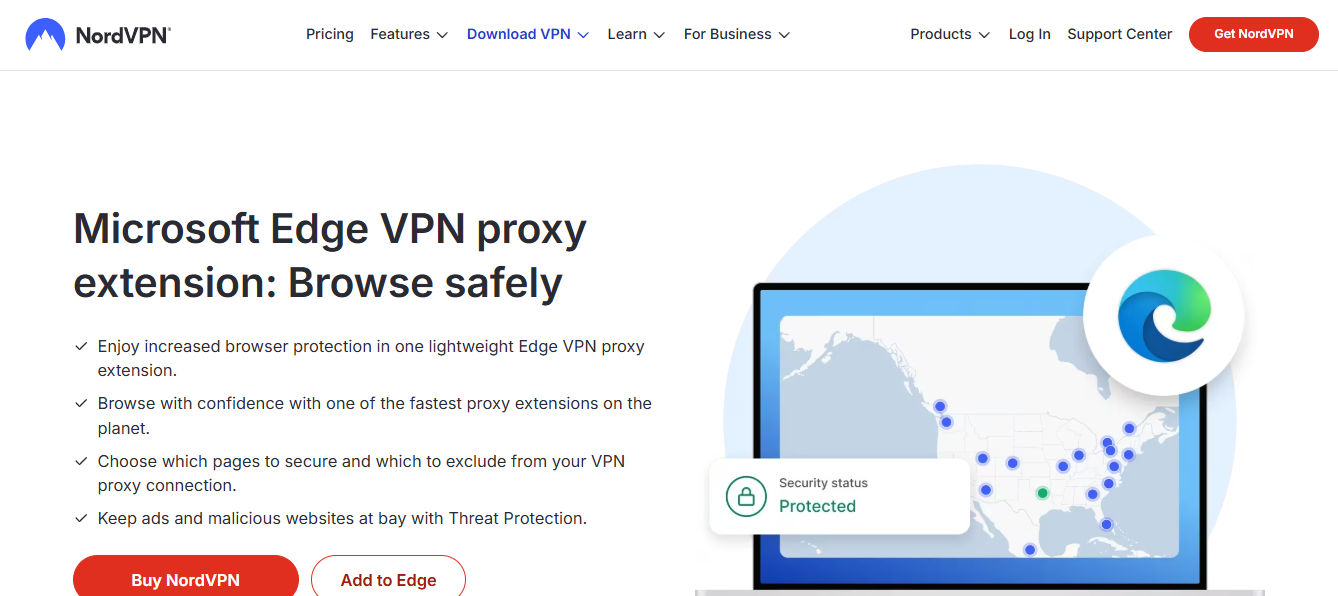
- Open Microsoft Edge and go to Settings and more > Extensions. If you don’t see extensions there, enable the “Extensions” panel.
- Click on “Open Microsoft Edge Add-ons” or visit Edge Add-ons store.
- Search for reputable VPN extensions look for well-known providers like NordVPN, ExpressVPN, Surfshark, or ProtonVPN. Read the reviews and verify the publisher.
- Install the extension. After installation, you’ll typically see the extension icon appear in Edge’s toolbar.
- Sign in to the extension with your VPN account. If you don’t have an account, you’ll need to create one with the provider.
- Choose a server location and connect. The extension will route Edge traffic through its own tunnel. You’ll usually have a toggle to turn the VPN on or off for Edge.
- Verify in Edge: go to a site like whatismyipaddress.com to confirm the IP address and location reflect the VPN server. If needed, switch to another server for faster speeds or a different region.
- Optional settings: check if the extension offers options like “per-tab VPN” routing only specific tabs through the VPN or “split tunneling” allowing some sites to bypass the VPN. Note that per-tab or split tunneling is not universally available in every extension. if you need full browser coverage, a Windows app plus the extension is overkill, but it can give you more control.
What you’ll gain with Edge extensions Openvpn edgerouter x setup guide for home networks: step-by-step OpenVPN server and client configuration on EdgeRouter X 2026
- Quick control: toggle VPN on and off without leaving Edge.
- Browser-level protection: some extensions provide browser-level encryption and a customizable list of sites to route or bypass through the VPN.
- Easy server switching: switch to different regions quickly, which is handy for accessing geo-locked content inside a browser.
Important caveats about browser-only VPNs
- Some sites or services detect VPNs more aggressively on the browser level than others. If you’re trying to access streaming content, you may need to try multiple servers or use the provider’s recommended browser-specific servers.
- Browser extensions rely on the provider’s proxy/tunneling tech. If you’re concerned about device-wide privacy, pair the extension with the Windows VPN app.
- Always ensure the extension is from a reputable vendor, and keep it updated to avoid security risks.
Which option should you choose for Edge users?
- If your priority is privacy and you want comprehensive protection for all apps, choose a system-wide Windows VPN. It’s easier to manage and ensures your entire device traffic is encrypted.
- If you mainly browse in Edge and want quick control or want to bypass VPN detection on a few sites, use an Edge extension. It’s lightweight and convenient for per-browser usage.
- If you’re not sure, start with an Edge extension for quick tests. If you later want full coverage, enable a Windows VPN and disable the extension to avoid double-tunneling which can slow things down.
Testing and verifying your VPN setup in Edge
- Basic check: visit whatismyipaddress.com and compare the displayed location and IP to your non-VPN baseline.
- DNS test: use dnsleaktest.com to ensure DNS requests aren’t leaking outside the VPN tunnel.
- WebRTC test: some VPNs can leak IPs via WebRTC. Check sites like ipleak.net to confirm your real IP isn’t leaking.
- Speed test: run a baseline speed test e.g., speedtest.net before and after connecting the VPN to gauge the impact. Expect some slowdown, but a good service keeps it reasonable.
- Edge-specific test: load content from a geo-restricted source and ensure the content is accessible from the server location you selected. If not, try another server or switch to a different VPN method.
Performance, privacy, and security tips
- Choose servers that are geographically closer to you for lower latency. for streaming, try servers optimized for streaming if your provider offers them.
- Turn on the VPN’s built-in kill switch if available. This prevents data from leaking if the VPN connection drops.
- Use the latest version of Edge and keep your VPN extension/app updated to close security gaps.
- Consider combining both approaches: a Windows VPN for system-wide protection, plus an Edge extension for quick browser-specific control when you’re on the go.
- If you’re on a public Wi-Fi network cafe, library, hotel, always enable your VPN before browsing sensitive sites like email or banking portals.
Common issues and quick fixes Planet vpn extension 2026
- VPN won’t connect: try switching servers, restarting the VPN app/extension, or rebooting your computer. Ensure you have a stable internet connection first.
- Slower speeds: try a nearby server, switch to a different protocol if your provider offers WireGuard or IKEv2, or disable IPv6 in your VPN settings if your connection has issues with IPv6 routing.
- DNS leaks: enable DNS leak protection in your VPN app/settings. you can also disable IPv6 if the VPN doesn’t handle it properly.
- Edge not routing traffic through VPN: ensure the VPN is enabled in Windows settings, or verify the Edge extension is connected and active. Double-check per-tab settings if you’re using a browser-level option.
Frequently asked topics about using VPN with Microsoft Edge
- Is VPN in Edge free?
- Some extensions offer free tiers, but most reliable security-sensitive VPNs require a paid plan for full features and bandwidth.
- Will a VPN slow down Edge?
- A VPN can reduce speed a bit due to encryption and distance to the server. A fast provider and nearby servers minimize this.
- Can I use a VPN only for streaming in Edge?
- Yes, with browser extensions that offer per-tab routing or by using a browser profile that uses the VPN extension, you can limit VPN usage to Edge.
- How do I know if the VPN is really protecting me in Edge?
- Run IP checks, test DNS leaks, and review your VPN provider’s features like kill switch and leak protection to confirm.
- Can I access Netflix or other streaming services with a VPN in Edge?
- It depends on the provider and server. Some servers are optimized for streaming. others are blocked.
- Do VPNs work on Windows 11 and Windows 10?
- Yes. Most modern VPNs support both. the steps vary slightly depending on Windows versions, but the general approach is the same.
- Should I use a VPN extension if I already have a Windows VPN?
- If you want Edge-specific protection or per-tab control, you can use an extension in addition to the Windows VPN. Just be mindful of potential double-tunneling.
- Can I configure a VPN to only route Edge traffic?
- Generally browser extensions route Edge traffic. complete per-application routing for only one app typically needs OS-level controls or specialized software.
- What about IPv6 and DNS leaks with VPN?
- Many VPNs handle both. if you see leaks, enable kill switch, disable IPv6 in your system or the VPN, or use a provider that explicitly supports IPv6 leakage protection.
- How often should I change VPN servers?
- For privacy, rotate servers periodically and avoid staying on the same server too long. For streaming, you may switch if a server is slow or blocked.
Frequently Asked Questions
Is VPN in Edge free?
Free VPN extensions exist, but they often come with data limits, slower speeds, or questionable privacy policies. For reliable protection, a paid VPN from a reputable provider is usually worth it.
Will a VPN slow down Edge?
Most VPNs introduce some latency due to encryption and server distance. A fast provider and a nearby server can minimize the hit.
Can I use a VPN only for Edge?
Yes, using an Edge extension can protect only Edge traffic. If you want broader protection, use a system-wide VPN on Windows. Ultrasurf security privacy & unblock vpn edge 2026
How do I know my VPN is working in Edge?
Check your IP address and location via whatismyipaddress.com, run a DNS leak test at dnsleaktest.com, and confirm the VPN client/extension shows an active connection.
Can I access Netflix with a VPN in Edge?
Some servers work for Netflix and other streaming services. availability varies by provider and server. If one fails, switch servers or consult the provider’s streaming recommendations.
Is it risky to use a VPN on public Wi-Fi?
Using a VPN on public Wi-Fi is highly recommended. It helps protect you from eavesdropping on unsecured networks.
Do VPNs protect my browsing in incognito mode?
Yes, VPNs encrypt traffic regardless of the browser mode. Incognito only affects local history. it doesn’t prevent traffic from being visible to websites or the network.
Can VPNs leak my real IP?
If configured poorly, DNS or WebRTC leaks can reveal your real IP. Use DNS leak protection and, if needed, disable WebRTC or use a VPN with WebRTC leak protection. Vpn for edgerouter 2026
How do I switch servers quickly in Edge?
If you’re using a VPN extension, use the server list within the extension to switch locations quickly. For Windows VPN, open the VPN client or Windows settings and pick a new server.
Should I enable IPv6 on my VPN?
Many VPNs handle IPv6, but if yours doesn’t, disable IPv6 in Windows or in the VPN settings to prevent leaks.
Are there privacy concerns with VPN extensions?
Some extensions may log data or route traffic differently. Use extensions from reputable providers, review their privacy policies, and keep the extension updated.
Can I run two VPNs at the same time OS-level and Edge extension?
Running two VPNs can cause conflicts or unstable connections. It’s typically better to pick one reliable method for Edge traffic, or use the Windows VPN for system-wide protection and disable redundancy.
Introduction resources recap and final tips
- If you’re just starting, consider trying an Edge extension to see how you like browser-level VPN routing and quick toggling.
- If you want comprehensive privacy across all apps and devices, go with a Windows system-wide VPN, then optionally add a browser extension for extra control.
- Always test your setup after enabling the VPN. A quick IP check, DNS test, and a site load test will tell you a lot about whether you’re truly protected.
Useful URLs and Resources plain text
- nordvpn.com
- expressvpn.com
- surfshark.com
- protonvpn.com
- whatismyipaddress.com
- iplocation.net
- dnsleaktest.com
- support.microsoft.com
- go.microsoft.com/fwlink Edge extensions link
- microsoft.com/edge/addons