Does edge have its own vpn 2026
'%2F%3E%3Ctext%20x%3D'50%25'%20y%3D'50%25'%20dy%3D'.35em'%20text-anchor%3D'middle'%20font-family%3D'-apple-system%2CBlinkMacSystemFont%2CSegoe%20UI%2Csystem-ui%2Csans-serif'%20font-size%3D'100'%20font-weight%3D'600'%20fill%3D'%23fff'%3ELM%3C%2Ftext%3E%3C%2Fsvg%3E) Leah Maguire·April 11, 2026·20 min
Leah Maguire·April 11, 2026·20 min
Does edge have its own vpn? No, Microsoft Edge doesn’t come with a built-in VPN service. If you’re looking to browse with an extra layer of privacy or to access geo-restricted content, you’ll need a separate VPN or alternative privacy tools. Here’s a quick guide to help you decide what works best for you:
- Quick facts: Edge itself doesn’t provide a VPN, but you can pair Edge with any third-party VPN app or extension.
- Pros and cons: VPNs protect data on public networks and hide your IP, but they can slow down speeds and sometimes affect streaming.
- Setup tips: Choose a reputable VPN, install the app or extension, and connect to a server before you browse.
- Alternatives: Privacy-focused browsers, no-log VPNs, and browser-level proxies.
Useful Resources text, not clickable links Apple Website - apple.com Artificial Intelligence Wikipedia - en.wikipedia.org/wiki/Artificial_intelligence Microsoft Edge Extensions - in Microsoft Edge add-ons store VPN Comparison - www.techradar.com/vpn Browser Privacy Guide - www.eff.org/issues/privacy-ger
What Edge Is and Isn’t
- Edge is a modern browser created by Microsoft, built on the Chromium engine. It’s fast, integrated with Windows, and features guardrails like SmartScreen and tracking protection.
- Edge itself doesn’t offer a VPN service. It does offer some privacy settings, but those are not the same as a VPN.
Edge’s Privacy and Security Features
- Tracking prevention with three levels: Basic, Balanced, and Strict.
- InPrivate browsing mode for local history and cookies, though it won’t hide you from your ISP or the sites you visit.
- Microsoft Defender SmartScreen helps block malicious sites and downloads.
- Password monitors and security bypass options for safer logins.
How VPNs Work with Edge
- A VPN creates an encrypted tunnel between your device and a VPN server. Your traffic appears to come from the VPN server rather than your device.
- When you use Edge with a VPN, you’re routing Edge traffic through the VPN, but you’ll also affect other apps on your device unless you use a split-tunnel VPN.
- Most people want a VPN for privacy on public Wi-Fi, access to geo-restricted content, or avoiding ISP tracking.
Types of VPNs to Consider
- Full-device VPNs: Install the VPN app on your computer, and all traffic including Edge goes through the VPN.
- VPN extensions for Edge: Lightweight add-ons that route only browser traffic through the VPN. Useful if you don’t want all traffic encrypted.
- Standalone privacy tools: DNS over HTTPS DoH and secure DNS can be a good supplement to a VPN, but they’re not a replacement.
Pros and Cons of Using a VPN with Edge
- Pros:
- Hides your IP address from websites.
- Encrypts data on unsecured networks.
- Helps bypass some geo-restrictions.
- Cons:
- Some streaming services block VPNs or throttle speeds.
- Potential speed reductions due to encryption and server distance.
- Free VPNs can be risky, with data logging or ads.
How to Add a VPN to Your Edge Experience
Option 1: Full-device VPN recommended for comprehensive protection
- Pick a reputable VPN provider look for no-logs policy, strong encryption, Kill Switch, and DNS leak protection.
- Download and install the Windows/macOS app.
- Sign in, choose a server location, and connect.
- Open Edge and browse as usual. All traffic is going through the VPN.
Option 2: VPN extension browser-level
- Find a trusted VPN extension in the Edge Add-ons store.
- Install the extension and sign in if required.
- Activate the extension to route edge.com and other sites through the VPN server.
- Note: Other apps on your device will not be protected unless you use a full-device VPN.
Option 3: Privacy-focused alternatives lightweight
- Use DoH in Edge for encrypted DNS queries.
- Enable Strict tracking prevention and periodically clear cookies and site data.
- Use a reputable ad blocker to reduce tracking.
Edge Tips for Better Privacy Without a VPN
- Use InPrivate mode for sensitive sessions, but remember it won’t hide your activity from network providers.
- Enable Tracking prevention: set to Strict for stronger protection.
- Regularly clear cookies and site data, and review permissions for sites.
- Disable prefetching and improve privacy with clear browsing data on exit.
Real-World Scenarios
- Scenario A: Public Wi-Fi at a coffee shop
- Best practice: Use a full-device VPN with a Kill Switch to protect all traffic and prevent DNS leaks.
- Scenario B: Streaming a show unavailable in your country
- Best practice: If your VPN is blocked by the streaming service, try a different server location or a dedicated streaming VPN option.
- Scenario C: Working with sensitive documents
- Best practice: Use a VPN in tandem with strong device security, two-factor authentication, and a corporate VPN if available.
Performance Considerations
- Distance to VPN server: The farther away the server, the slower the connection.
- Server load: High load can cause buffering and latency.
- Encryption overhead: Stronger encryption adds overhead but improves security.
- Device specs: Older devices may experience more noticeable slowdowns.
Quick Benchmark Tips
- Test speeds before and after connecting to a VPN to gauge impact.
- Try multiple servers in nearby regions for a balance of speed and access.
- Use wired connections where possible for stability.
Security and Privacy Myths
- Myth: VPNs make you 100% anonymous online.
- Reality: They hide your IP from sites and encrypt data in transit, but websites can still track you via cookies, login data, and browser fingerprinting.
- Myth: Free VPNs are as good as paid ones.
- Reality: Free VPNs often come with data limits, ads, and questionable logging practices.
- Myth: A VPN will fix all privacy issues.
- Reality: It’s a tool, not a cure-all. Combine VPNs with good browsing habits and privacy settings.
Design and SEO Insights
- Target keyword: Does edge have its own vpn
- Secondary keywords: Edge VPN extension, Windows VPN, DoH in Edge, privacy in Edge, browser VPN
- Content depth: Comprehensive guide with pros/cons, setup steps, scenarios, and FAQs.
- Structure: Clear H2 and H3 headings, bullet lists, and practical steps for easy reading.
- Data points: General VPN industry notes, typical speed impact ranges, and common privacy features.
Table: VPN vs. Edge Privacy Features Browsec vpn free vpn for edge: complete guide to using Browsec on Edge, features, setup, tips, and alternatives 2026
| Feature | Edge Privacy built-in | VPN Full-device | VPN Extension |
|---|---|---|---|
| IP masking | No by default | Yes | Yes browser traffic |
| Data encryption | Not guaranteed for all traffic | Yes for all traffic | Yes for browser traffic |
| Coverage | Browser cookies, site data only | All apps and browser | Browser traffic only |
| Speed impact | Minimal privacy settings only | Moderate to high | Moderate depends on extension |
| Geolocation spoofing | No | Yes via server | Yes via server |
| Setup complexity | Low | Medium to high | Low to medium |
FAQ Section
Frequently Asked Questions
Does edge have its own vpn?
No, Edge does not come with an integrated VPN service.
Can I use a VPN extension in Edge?
Yes, you can install a VPN extension from the Edge Add-ons store and route browser traffic through the VPN server.
Is it better to use a full-device VPN or a browser extension?
Full-device VPNs protect all traffic on your device, while browser extensions only protect browser traffic. If you want comprehensive protection, go with a full-device VPN.
Will a VPN slow down my browsing in Edge?
Possible. Speed depends on server distance, server load, and encryption. Testing different servers can help. Best VPN for USA Travelling in 2026: The Ultimate Guide to Staying Safe, Accessing Content, and Saving Money on the Road
Can I use DoH DNS over HTTPS with Edge without a VPN?
Yes, DoH helps protect DNS queries and can be used alongside a VPN or on its own for added privacy.
Are free VPNs safe to use with Edge?
Free VPNs often come with limitations and potential privacy risks. It’s usually better to choose a reputable paid option.
Can I stream content while using a VPN with Edge?
Some services block VPNs. If you encounter blocks, try different servers or a VPN known for streaming.
Will a VPN hide my activity from my employer or government?
A VPN can obscure your activity from outsiders, but your organization or government can still monitor it if they control the network or use advanced monitoring methods.
How do I reduce tracking while using Edge without a VPN?
Use Edge’s Tracking prevention set to Strict, regularly clear cookies, disable ad personalization, and limit site permissions. Zenmate free vpn edge guide 2025: ZenMate free version, features, limitations, safety tips, and top alternatives
What should I look for in a good VPN for Edge?
Strong encryption AES-256, a Kill Switch, DNS leak protection, a no-logs policy, transparent privacy practices, and a broad server network.
Does edge have its own vpn: does Microsoft Edge include a built-in VPN, how to use VPN extensions, and top options for Edge users
No, Edge does not have its own VPN. But you can protect your browsing with a VPN in several practical ways: install a standalone VPN app on your device, use a VPN extension in Edge, or combine browser privacy features with a trustworthy VPN service. If you’re shopping for a solid option, NordVPN has a popular deal you’ll want to check out—. This article breaks down what Edge can and can’t do on its own, and how you can get VPN protection while browsing with Edge on Windows, macOS, iOS, and Android.
Introduction: what you’ll learn
- The truth about Edge’s built-in privacy tools and whether they replace a VPN
- The difference between a browser extension VPN and a full device VPN
- Step-by-step guides to installing VPN extensions in Edge
- How standalone VPN apps work with Edge and what to expect in terms of speed and security
- Practical tips for streaming, privacy, and security when you’re using Edge
- A handy checklist for choosing the right VPN for Edge users
- A robust FAQ with practical, real-world answers
Does edge have its own vpn, and what does that mean for you? No, Edge does not come with a built-in VPN service. Microsoft has focused Edge on privacy features like tracking prevention, SmartScreen, and password hygiene rather than embedding a full VPN inside the browser. If you want the full privacy protection of a VPN, you’ll need to rely on external options:
- A standalone VPN app installed on your device Windows, macOS, iOS, Android
- A VPN extension you can add to Edge works for browser traffic and can be easier to manage in some setups
Why most Edge users opt for a VPN anyway Hotspot shield vpn edge review 2025: features, performance, privacy, pricing, and setup guide
- Bypassing geo-restrictions for streaming and regional content
- Encrypting your data on public Wi-Fi to prevent eavesdropping
- Reducing the likelihood of targeted ads and price discrimination based on location
- Protecting sensitive information like login details on shared networks
What Edge does offer in place of a built-in VPN: privacy features you should know Edge provides several privacy and security features that improve your online experience without a VPN:
- Tracking prevention with multiple levels Basic, Balanced, Strict to limit cross-site tracking
- SmartScreen filtering to block phishing and malware in real time
- Password monitor and autofill controls to manage credentials safely
- InPrivate browsing mode that minimizes local data storage though it does not anonymize you like a VPN These features are valuable, but they don’t encrypt your traffic beyond your normal connection, nor do they mask your IP address.
Two primary paths to VPN protection with Edge
- Path A: Use a VPN extension in Edge
- Pros: Easy to switch on/off for browser traffic. no changes to system-wide network settings
- Cons: Extension routing only affects browser traffic. other apps on your device aren’t protected
- Path B: Use a standalone VPN app on your device
- Pros: Encrypts all traffic from the device, not just Edge. can provide a consistent IP and DNS across all apps
- Cons: Requires configuring the VPN at the OS level. may impact battery life and system performance If you want a simple, browser-level solution that doesn’t require changing your whole device’s network, a VPN extension in Edge is a good starting point. If your goal is comprehensive protection for everything you do online, a full VPN app is the better option.
How to use a VPN with Edge: two practical approaches
- Install a VPN extension in Edge browser-level protection
- Step 1: Open Edge and go to the Extensions gallery Edge add-ons store or Edge’s settings.
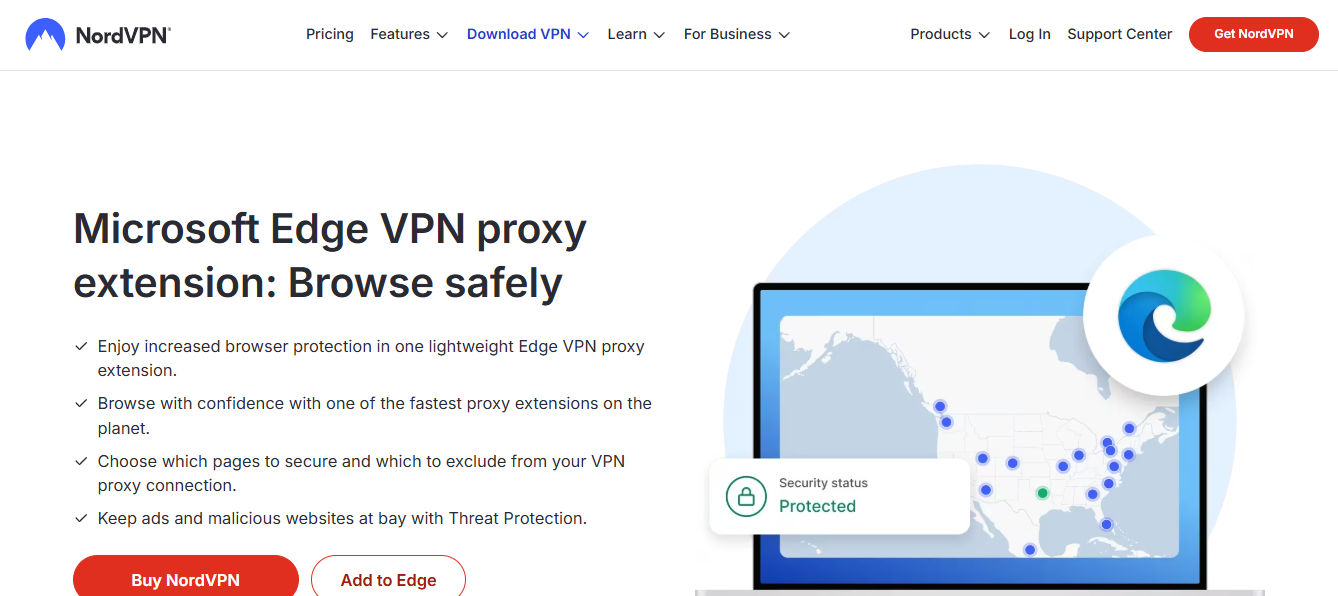
- Step 2: Search for a VPN extension examples include NordVPN, ExpressVPN, Surfshark, ProtonVPN, Windscribe, TunnelBear. Note: Edge now supports many Chrome Web Store extensions, but you should verify the extension’s legitimacy and publisher.
- Step 3: Click Add to Edge and follow prompts to enable the extension.
- Step 4: Sign in to your VPN account if required and toggle the VPN on when you want browser traffic protected.
- Step 5: Verify your IP address has changed by visiting a site like whatismyip.com to confirm you’re browsing from the VPN’s region.
- Important caveats: Browser extensions typically route only Edge traffic. If you have other apps or devices, you’ll want a full VPN on the OS level for comprehensive coverage.
- Use a standalone VPN app on your device system-wide protection
- Step 1: Choose a reputable VPN provider and download their Windows/macOS/iOS/Android app.
- Step 2: Install and sign in with your account.
- Step 3: Connect to a server location of your choice.
- Step 4: Open Edge. your traffic from Edge and any other apps will be routed through the VPN automatically.
- Step 5: Use features like kill switch and split tunneling if your provider offers them, to control what traffic goes through the VPN.
Edge compatibility: does Edge support all VPNs equally?
- Edge, being built on Chromium, handles Chrome extensions, so many VPN extensions that work with Chrome will work with Edge as well. However, some VPNs offer better integration as a dedicated OS-level app, which provides more stable performance and full-device encryption.
- If your VPN depends on custom DNS or specific network routing, you may notice differences in Edge versus other apps. For the most consistent experience, use a reputable VPN app for device-wide protection and consider a browser extension for quick toggling in Edge.
Performance considerations: speed, latency, and stability Tunnelbear vpn rating
- VPN impact on speed varies by provider, server location, and encryption level. Expect some speed loss due to encryption overhead and routing through remote servers.
- If you’re streaming 4K content or gaming, a close server location and a service with robust optimization for streaming generally yields the best results.
- Modern VPNs offer protocol options like WireGuard fast and OpenVPN stable. Start with WireGuard-based servers if your provider supports them for better performance.
- Kill switch and DNS leak protection are essential features to look for to prevent data leaks if the VPN connection drops.
Security best practices when using Edge with VPNs
- Always enable the VPN’s kill switch if you’re on a less stable network.
- Use multi-factor authentication for your VPN account.
- Keep Edge and all extensions up to date to reduce potential privacy vulnerabilities.
- Combine Edge’s tracking prevention with a VPN for layered privacy. The VPN hides your IP, while Edge’s tracking prevention reduces cross-site profiling.
- Be mindful of browser fingerprinting. Even with a VPN, some sites attempt to fingerprint you via browser configuration. Use Edge’s privacy settings and consider additional privacy hardening features if needed.
Edge mobile experience: VPN on iOS and Android
- Edge on mobile devices relies on the device’s system-level VPN configuration rather than a browser-internal VPN. This means you typically manage VPN connections through the OS’s settings or a dedicated VPN app.
- On iOS, you can install any VPN app from the App Store and enable per-app VPN features if supported, but often you’ll run the VPN app itself and Edge traffic will ride along.
- On Android, VPN apps integrate at the system level and affect all apps, including Edge. Some devices offer per-app VPN options through settings or via third-party apps.
- If you primarily browse on mobile with Edge, a strong OS-level VPN app is usually the simplest path to comprehensive protection.
Edge privacy myths: what’s true and what isn’t
- Myth: “Edge has a built-in VPN that’s always on.” Truth: No, there isn’t an embedded, user-facing VPN inside Edge.
- Myth: “Using Edge with a VPN extension is as private as a full-device VPN.” Truth: Browser-level VPNs mask only Edge’s traffic, not all traffic on your device.
- Myth: “All VPNs work equally well with Edge extensions.” Truth: Compatibility and performance depend on the provider and the extension’s design. some VPNs work better via OS-level apps.
- Myth: “VPNs are illegal or dangerous.” Truth: In most places, VPNs are legal for legitimate uses such as privacy and security, but you should follow local laws and terms of service for streaming or other restricted activities.
Choosing the right VPN for Edge users: a quick checklist
- Type: Browser extension vs. app-based OS-wide VPN? Determine your primary goal: browser-level privacy or full-device protection.
- Privacy policy and no-logs commitment: Look for a transparent policy and independent audits if possible.
- Speed and server network: A bigger server network and fast protocols like WireGuard usually deliver better performance.
- Security features: Kill switch, DNS protection, split tunneling, and leak protection are must-haves.
- Platform support: Ensure the service supports Windows, macOS, iOS, and Android if you use multiple devices.
- Customer support and ease of use: If you’re new to VPNs, a user-friendly app and responsive support make a big difference.
- Price and value: Compare annual plans and consider whether multi-device plans suit your setup.
Edge vs Opera: built-in VPNs and feature comparisons Download vpn extension for edge 2026
- Opera browser includes a built-in VPN, which is convenient for some users but has limitations and privacy questions typical of browser-provided services.
- Edge does not include a built-in VPN, so users who want the convenience of a browser-integrated option must rely on extensions or system-wide VPN apps.
- For Edge users who want a similar convenience to Opera’s built-in VPN, an Edge extension or a robust OS-level VPN app are the closest equivalents.
Practical real-world use cases
- You’re traveling and want to access a different regional library of streaming services while using Edge. A browser extension VPN can give you a quick IP switch, but for stable streaming, a full VPN app connected at the OS level may be better.
- You work on public Wi-Fi at a cafe. A VPN extension helps if you’re only browsing in Edge and don’t need other apps secured. for broader protection, use a system-wide VPN.
- You’re concerned about privacy on wonky networks hotels, airports. A VPN app, combined with Edge’s privacy features, gives you a layered approach with fewer gaps.
What to do next if you’re ready to try a VPN with Edge
- Decide whether you want browser-level protection with an extension or full-device protection with an app.
- Choose a reputable provider, ideally with a strong privacy policy, good performance, and clear setup instructions for Edge.
- Start with a risk-free trial or a money-back period to evaluate performance on your devices and networks.
Frequently asked questions
Frequently Asked Questions
Does Edge have a built-in VPN?
No, Edge does not include a built-in VPN service. You’ll need to use a VPN extension in Edge or a standalone VPN app on your device for full protection.
Can I install a VPN extension in Edge?
Yes. Edge supports many Chrome Web Store extensions, including a wide range of VPN extensions. Install the extension, sign in, and toggle it on when you want browser traffic protected. Edge secure network vpn review 2026
Is a browser VPN as good as a system-wide VPN?
A browser VPN protects only the traffic from the browser Edge in this case. A system-wide VPN protects all network traffic from your device, including other apps—this is usually better for comprehensive privacy.
Will a VPN slow down my internet?
Most VPNs will cause some slowdown due to encryption and routing. The impact depends on server distance, server load, and the protocol used. Modern VPNs with WireGuard tend to offer the best performance.
Which VPN extensions work best with Edge?
Top providers offer Chrome-compatible extensions that work well in Edge, including NordVPN, ExpressVPN, Surfshark, and ProtonVPN. Always verify extension legitimacy and publisher trust.
Should I use a VPN for streaming on Edge?
If you’re trying to access geoblocked content, a VPN can help. Some streaming services actively block VPN traffic, so you may need to try different servers or providers to find one that works.
Is it legal to use a VPN in my country?
In most places, yes, VPNs are legal for private use. Some countries regulate or restrict VPN usage. Always be aware of local laws and the streaming platforms’ terms of service. Edge vpn mod: A Thorough, Honest Guide to Edge VPN Modifications, How They Work, Pros, Cons, Security, and Alternatives 2026
Can I use a free VPN with Edge?
Free VPNs exist, but they often come with limitations like data caps, slower speeds, weaker privacy protections, and questionable data practices. A reputable paid VPN generally offers better security and performance.
How do I verify my VPN is protecting Edge traffic?
You can visit a site that shows your IP address and location before and after enabling the VPN extension or app. If the IP changes to the VPN server’s location, you’re protected.
Can I use multiple VPNs at once with Edge?
Running two VPNs simultaneously is generally not recommended and can cause routing problems or leaks. Choose one reputable VPN and use its features like split tunneling if needed.
Are VPNs safe to use on public Wi-Fi?
Yes. A VPN encrypts your traffic, which helps protect you from eavesdroppers on public networks. Always ensure you’re connected to a trusted VPN server and keep your software updated.
Do I need to disable Edge’s tracking prevention when using a VPN?
Typically you don’t need to disable Edge’s privacy features. The VPN protects your data in transit, while Edge’s tracking prevention helps limit cross-site profiling. If you run into compatibility issues with certain sites, you can adjust Edge’s privacy settings. Edge vpn fast secure vpn for streaming, gaming, privacy, and safe browsing in 2026
How do I choose between a VPN extension and a full VPN app for Edge?
Consider your needs: If you mainly browse with Edge and want quick, browser-level protection, a VPN extension is convenient. If you want comprehensive protection for all apps on your device, choose a full VPN app and use its OS-wide features.
Is there a risk using a VPN with Edge on Windows?
The risk is minimal when you use a reputable provider and keep software updated. The main concerns are potential DNS leaks if the VPN isn’t configured correctly, and performance impacts on slower connections.
What features should I look for in a VPN for Edge users?
Look for strong encryption AES-256, a no-logs policy, a kill switch, DNS leak protection, fast and stable servers preferably with WireGuard, multi-platform support, and clear privacy practices.
Can Edge’s built-in privacy controls replace a VPN?
Edge’s privacy controls are valuable for reducing tracking and improving security, but they do not replace the encryption and IP masking that a VPN provides. For full protection, a VPN is still recommended.
How often should I update my VPN extensions or apps?
Keep everything updated regularly. VPN apps and extensions frequently release security and performance improvements, so enabling automatic updates is a good practice. Edge vpn pro mod apk risks, legality, and safe alternatives for VPN users 2026
What’s the simplest setup for a beginner using Edge with VPN?
Install a reputable VPN app on your device OS-wide protection and turn it on. Then, if you want quick browser-level toggling, add a lightweight Edge VPN extension for occasional use.
If you’re deciding whether to go with a browser extension or a full device VPN, the safest bet for broad protection is a system-wide VPN app. But if you want a quick, lightweight browser-level shield in Edge, a trustworthy VPN extension does the job. Remember to balance ease of use, privacy needs, and streaming or gaming requirements when you choose.
Useful resources for Edge users and VPNs
- Edge privacy features and settings overview
- VPN providers with Chrome-compatible extensions and app-based clients
- Whatismyip.com for IP checks and verification
- Official support pages for your chosen VPN extension or app
- General cybersecurity guidelines for safe browsing and online privacy
Disclaimer: this article provides information on VPN options for Edge users and is not financial or legal advice. For specific privacy or legal concerns, consult a qualified professional.
Frequently Asked Questions