Download vpn extension for edge 2026
'%2F%3E%3Ctext%20x%3D'50%25'%20y%3D'50%25'%20dy%3D'.35em'%20text-anchor%3D'middle'%20font-family%3D'-apple-system%2CBlinkMacSystemFont%2CSegoe%20UI%2Csystem-ui%2Csans-serif'%20font-size%3D'100'%20font-weight%3D'600'%20fill%3D'%23fff'%3EQX%3C%2Ftext%3E%3C%2Fsvg%3E) Quincy Xanthos·April 11, 2026·22 min
Quincy Xanthos·April 11, 2026·22 min
Download vpn extension for edge — a quick, practical guide to choosing, installing, and getting the most out of a VPN extension in Microsoft Edge. Here’s a concise starter: you’ll learn how to pick a trustworthy extension, how to install it in Edge, common issues, and tips to stay secure online. Below is a friendly, step-by-step walkthrough with real-world tips, examples, and quick-reference resources.
Download vpn extension for edge. Quick fact: using a VPN extension in Edge can help protect your privacy, unlock region-restricted content, and secure your connections on public Wi‑Fi. This guide covers:
- How VPN extensions work in Edge and what they can and can’t do
- A simple step-by-step installation process
- How to choose a reputable provider and avoid shady options
- Practical tips for safe, efficient use
- Troubleshooting common problems
- A fast FAQ to clear up common questions
Useful resources unclickable text only: Apple Website - apple.com Artificial Intelligence Wikipedia - en.wikipedia.org/wiki/Artificial_intelligence Microsoft Edge Extensions - docs.microsoft.com VPN industry overview - vpnmentor.com Browser security tips - nist.gov
Why use a VPN extension in Edge?
- Privacy protection: VPNs mask your IP address and encrypt traffic, making it harder for trackers to profile you.
- Access control and security: Public Wi‑Fi can be risky; a VPN creates a secure tunnel.
- Geolocation flexibility: See content available in other regions, but be mindful of terms of service.
- Lightweight performance: VPN extensions are typically faster to activate than full desktop clients.
How VPN extensions differ from full VPN apps
- Scope: Extensions route browser traffic; desktop apps cover all device traffic.
- Convenience: Extensions are quick to toggle on/off from the browser toolbar.
- Reliability: Some extensions depend on the browser; others operate at the system level.
How to pick a trustworthy VPN extension for Edge
- Reputation and reviews: Look for extensions with clear developer information, transparent privacy policies, and positive community feedback.
- Privacy policy: Prioritize zero-logs or minimal-logs policies and independent audits when available.
- Encryption and protocols: AES-256 encryption and reputable protocols like OpenVPN, WireGuard are standard.
- Jurisdiction: Prefer providers with privacy-friendly jurisdictions and clear data handling practices.
- Speed and reliability: Check for fast servers, minimal bandwidth throttling, and stable connections.
- Extra features: Kill switch, split tunneling, and auto-connect can be helpful.
- Free vs paid: Free extensions may come with data collection or ads; paid options usually offer better privacy guarantees.
Common red flags
- Vague or contradictory privacy statements
- Embedded trackers or permissions that aren’t needed
- No independent audits or third-party reviews
- Unclear server locations or slow connections
Step-by-step: Install a VPN extension for Edge
- Open Microsoft Edge and go to the Add-ons page.
- Search for your chosen VPN extension by name.
- Check the publisher and reviews before clicking “Get” or “Add to Edge.”
- Confirm permissions requested by the extension. Most legitimate extensions ask for standard browser access and VPN routing permissions.
- Once installed, you’ll see the extension icon in the Edge toolbar. Click it to sign in or activate the VPN.
- Choose a server location and connect. Some extensions offer auto-connect when you’re on unsecured networks.
- Optional: enable features like a kill switch or split tunneling if the extension supports them.
Tips for a smooth install:
- Only install extensions from the official Edge Add-ons store or the provider’s official site.
- If you’re unsure, start with a test site to verify your IP changes when the VPN is on.
- Keep Edge and the extension updated to ensure compatibility and security.
How to evaluate performance after installation
- Latency: Run a quick speed test to compare latency with VPN on and off.
- Download/upload speeds: Expect some slowdown, but a good VPN should minimize it.
- DNS leaks: Use online DNS leak tests to confirm queries are routed through the VPN.
- WebRTC leaks: Disable WebRTC or use browser settings to prevent leaks if the extension doesn’t handle this automatically.
- Server load: If a server is overwhelmed, move to a less crowded location for better performance.
Security best practices when using a VPN extension in Edge
- Enable the kill switch: This prevents data leaks if the VPN drops.
- Use strong authentication: Prefer multi-factor authentication MFA for your VPN account.
- Limit permissions: Only grant necessary permissions requested by the extension.
- Regularly review connected servers: Disconnect from servers you don’t need, especially if they’re far away.
- Combine with HTTPS: Always ensure sites use HTTPS for end-to-end encryption in addition to the VPN.
Common issues and quick fixes
- Issue: VPN won’t connect
- Check account status and server availability.
- Try a different server location.
- Restart Edge or reinstall the extension.
- Issue: IP not changing
- Clear browser cache, disable WebRTC leaks, and verify the VPN is active.
- Issue: Slow speeds
- Choose a server closer to your location, or switch to a different protocol if available.
- Ensure other browser extensions aren’t causing conflicts.
- Issue: DNS leaks detected
- Enable the VPN’s DNS protection feature or adjust browser DNS settings.
Data privacy and legal considerations
- Privacy laws vary by country; a VPN protects your traffic, not always your actions.
- Some services prohibit VPN use in their terms of service; always read the provider’s policies.
- When streaming or accessing region-locked content, respect licensing and usage guidelines.
- Share minimal personal data with the VPN provider; prefer no-logs or minimal data retention.
Performance benchmark ideas to compare extensions
- Server variety: Track response times to servers in multiple regions.
- Battery impact: For mobile use, measure battery drain with the extension on.
- Page load times: Compare page load speed with VPN on vs off for common sites.
- Streaming reliability: Test HD streaming stability and buffering occurrences.
Table: Example VPN extension features you might see in Edge
| Feature | Description | Why it matters |
|---|---|---|
| Kill switch | Blocks traffic if VPN disconnects | Prevents data exposure during drops |
| Auto-connect | Connects automatically on unsecured networks | Keeps you protected on public Wi‑Fi |
| Split tunneling | Route some traffic outside the VPN | Improves performance for local services |
| Multi-hop | Encrypts traffic through multiple servers | Extra privacy, potential speed tradeoff |
| Ad and tracker blocking | Built-in blockers for extra privacy | Cleaner browsing experience |
| Server locations | Range of countries or cities | More options for bypassing geo-restrictions |
Quick-start checklist for beginners
- Pick a reputable VPN extension with clear privacy terms.
- Install directly from Edge Add-ons or vendor site.
- Sign in and connect to a nearby server for best speed.
- Enable kill switch and any privacy protections offered.
- Run a quick IP check to verify your location is masked.
- Use HTTPS everywhere and avoid sharing sensitive data on untrusted sites.
Real-world usage scenarios
- Public Wi‑Fi at cafes or airports: Turn on the VPN before logging in to accounts.
- Remote work: Use a trusted server location to access company resources securely.
- Content access: Switch to a region where your service is available, while watching terms of service.
- Privacy-conscious browsing: Keep the VPN on during general browsing for extra protection.
Comparison tips for choosing between popular VPN extensions for Edge
- Privacy-first vs feature-rich: Some extensions focus on minimal data collection; others offer more features like split tunneling.
- Free vs paid plans: Free options may have limits or data sharing; paid plans often come with better privacy guarantees and faster networks.
- Customer support: Look for responsive support and clear refund policies.
How to manage multiple Edge profiles with VPNs
- If you use different Edge profiles work, personal, you can install the extension per profile and configure separate settings.
- Use one master account to manage billing and settings, then sign in on each profile as needed.
Maintenance and updates
- Regularly update Edge and all extensions to patch security vulnerabilities.
- Periodically review connected servers and privacy settings.
- Reassess your VPN choice if performance or privacy concerns arise or if the provider changes terms.
Frequently Asked Questions
Is it safe to download a VPN extension for Edge?
Yes, as long as you download from reputable sources, verify permissions, and use a trusted provider. Always read the privacy policy and consider independent reviews.
Can I use a VPN extension and a VPN desktop app at the same time?
Typically you should not run both simultaneously to avoid route conflicts. Some users run one or the other depending on needs, but this can cause IP or DNS leaks if misconfigured.
Do VPN extensions slow down my browser?
Often you’ll see some slowdown, but a good, well-optimized extension minimizes impact. If your speeds drop significantly, switch servers or try a different extension. Does edge have its own vpn 2026
Will a VPN extension hide my real IP?
Yes, it masks your real IP by routing traffic through a VPN server, which makes it look like you’re browsing from the server’s location.
Can a VPN extension protect me on public Wi‑Fi?
Yes, it encrypts traffic and hides your IP, which helps reduce risks on public networks.
Do VPN extensions log my activity?
This depends on the provider. Look for a clear, no-logs policy or minimal logging, and check for independent audits when possible.
Can VPN extensions bypass geo-reblocking?
They can help you access content available in other regions, but some services actively detect and block VPN traffic. Always respect terms of service.
Are VPN extensions legal?
In most places, using a VPN is legal. Some jurisdictions restrict VPN use; always know local laws and service terms. Browsec vpn free vpn for edge: complete guide to using Browsec on Edge, features, setup, tips, and alternatives 2026
How do I uninstall a VPN extension from Edge?
Open Edge, go to Extensions, find the VPN extension, and click Remove. You can also disable it if you’d rather not fully uninstall yet.
What should I do if I suspect a VPN extension is leaking data?
Disable the extension, run a DNS and WebRTC leak test, and consider switching to a more trusted provider with better privacy guarantees.
Download vpn extension for edge: a comprehensive guide to installing, configuring, and comparing VPN extensions for Microsoft Edge
Yes, you can download a VPN extension for Edge. In this guide, I’ll walk you through everything you need to know to get a VPN extension working in Microsoft Edge, from choosing the right extension to installing, configuring, and testing it, plus practical tips for streaming, security, and privacy. Here’s what you’ll learn:
- Why Edge users might want a VPN extension and how it differs from a full VPN app
- How to download and install VPN extensions from the Edge Add-ons store
- How to configure settings for speed, security, and privacy
- A quick comparison of the top VPN extensions for Edge in 2025
- Practical tips for streaming, gaming, and bypassing geo-restrictions
- Common issues and quick fixes
- How to evaluate privacy policies, logging, and data handling
- Edge-specific limitations and best practices
- FAQs to clear up common questions
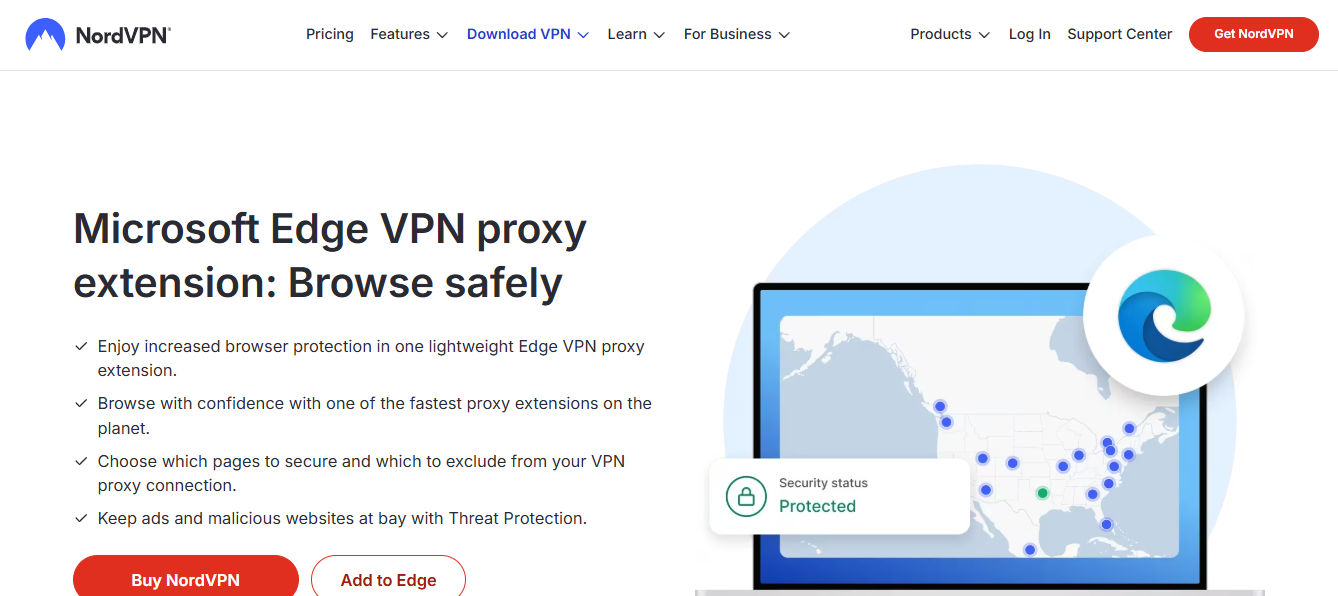
If you want a quick setup and a trusted name, check out this time-limited offer for NordVPN through Edge. NordVPN’s Edge extension can be a solid choice for many users, and you can explore the deal here:
Useful resources unclickable text: Best VPN for USA Travelling in 2026: The Ultimate Guide to Staying Safe, Accessing Content, and Saving Money on the Road
- Microsoft Edge Add-ons store overview - edge.microsoft.com/addons
- OpenVPN vs WireGuard - en.wikipedia.org/wiki/WireGuard
- VPN security basics - en.wikipedia.org/wiki/Virtual_private_network
- Encryption basics - en.wikipedia.org/wiki/Advanced_Encryption_Standard
Body
What is a VPN extension for Edge and why use one
A VPN extension for Edge is a browser-based component that routes your browser traffic through a VPN server, masking your IP address and encrypting data in transit. It’s a convenient way to:
- Protect your privacy on public Wi‑Fi
- Bypass local network restrictions or geo-blocks for certain sites
- Improve privacy while browsing, especially on shared devices
- Access region-locked content while using Edge
Important distinction: many top VPN providers offer both browser extensions and full VPN apps. Browser extensions are great for quick protection of your browser traffic, but they don’t always route all device traffic like apps outside Edge. If you want system-wide protection, pair a browser extension with the provider’s desktop or mobile app.
Edge extensions come with their own pros and cons. Pros include fast installation, lighter resource usage, and straightforward switching between servers. Cons include potential limitations on protocols and the fact that not all VPN features available in desktop apps are accessible via the browser extension. If you’re after maximum privacy across your entire device, consider using the full VPN app in addition to or instead of the Edge extension.
Key features to look for in Edge VPN extensions
When you’re evaluating Edge VPN extensions, look for: Zenmate free vpn edge guide 2025: ZenMate free version, features, limitations, safety tips, and top alternatives
- Protocols supported: WireGuard and OpenVPN are the current standards. WireGuard tends to be faster with strong security.
- Encryption: AES-256 encryption is the industry standard and a must-have.
- Kill switch: A browser-based extension should offer a kill switch to prevent data leaks if the VPN drops.
- Split tunneling: The ability to route only Edge traffic or exclude specific sites from VPN routing.
- Server network: A broad set of servers, especially in your preferred regions.
- Logging policy: A transparent, minimal-logging policy and independent audits if possible.
- Speed and reliability: Fast servers with low latency for your location.
- Privacy protections: DNS leak protection and protection against WebRTC leaks.
- Compatibility: Works smoothly with the Edge build you’re using stable vs. beta channels.
Statistics show that VPN usage has grown significantly over the past few years, and many users prefer browser extensions for quick privacy tweaks without installing a whole VPN client. Top providers have prioritized Edge compatibility, ensuring a smoother experience for Windows users who want to browse securely without leaving Edge.
How to download and install a VPN extension for Edge
Installing a VPN extension in Edge is simple. Here’s a step-by-step guide:
- Step 1: Open Microsoft Edge and go to the Edge Add-ons store.
- Step 2: Use the search bar to look for the VPN extension you want e.g., NordVPN, ExpressVPN, Surfshark, CyberGhost, ProtonVPN, or others.
- Step 3: Read the extension details, check reviews, and ensure it’s from a reputable provider.
- Step 4: Click Add to Edge, then confirm the installation.
- Step 5: The extension icon will appear in the Edge toolbar. Click it to sign in with your VPN account or create one if you don’t have one yet.
- Step 6: Grant necessary permissions these typically include the ability to view and manage your data on websites you visit. Review carefully and proceed if you’re comfortable.
- Step 7: Choose a server location and enabling features like the kill switch or split tunneling if available.
- Step 8: Test the connection by visiting a site that shows your IP address, ensuring it reflects the VPN server you selected.
If you’re new to VPNs, start with a reputable provider that offers a browser extension plus a desktop app for broader protection. For most Edge users, a trial or monthly plan can help you test performance before committing.
How to configure and optimize an Edge VPN extension
Once installed, you’ll want to fine-tune settings for speed, privacy, and reliability:
- Choose the right server: Pick a location that’s close to you for speed, unless you need a country-specific IP for streaming or access.
- Enable the kill switch: This prevents your traffic from leaking if the extension disconnects.
- Enable DNS and WebRTC leak protection: This helps ensure your real IP isn’t exposed through DNS queries or WebRTC.
- Enable split tunneling if available: Route only Edge traffic through the VPN when you don’t need system-wide protection.
- Protocol choice: Prefer WireGuard for speed. OpenVPN is solid but slower on average. Some extensions let you toggle protocols.
- Auto-connect on startup: If you want protection as soon as Edge launches, enable auto-connect.
- Verify no IP leaks: Use a site that checks IP and DNS leakage after you connect to verify everything is behaving correctly.
Real-world tip: If you’re streaming content from a different region, switch to a server in that region and test a few different servers to find the best balance between speed and reliability. Hotspot shield vpn edge review 2025: features, performance, privacy, pricing, and setup guide
Top VPN extensions for Edge in 2025
Here’s a quick look at popular options you’ll likely encounter in the Edge Add-ons store. I’m focusing on a mix of performance, privacy, and ease of use.
- NordVPN: Strong privacy policy, large server network, reliable Edge extension, and a solid kill switch. NordVPN’s Edge extension integrates with the desktop app for deeper protection.
- ExpressVPN: Known for fast speeds and robust encryption. the Edge extension is straightforward and works well with their broader ecosystem.
- Surfshark: Great value, strong privacy features, and competitive speeds. Surfshark’s extension is beginner-friendly and includes clean UI.
- CyberGhost: User-friendly, with purpose-built profiles for streaming and privacy. Good for newcomers who want guided server recommendations.
- ProtonVPN: Strong emphasis on privacy and transparency. the Edge extension routes traffic securely while offering a simple interface.
- Private Internet Access PIA: Solid balance of speed and security with a broad server network. often favored by advanced users.
Beyond these, there are many other providers offering Edge-compatible extensions. When choosing, consider server variety, speed consistency, consumer reviews, and whether you’re pairing the extension with a desktop app for full-device VPN coverage.
Edge extension vs. full VPN app: what’s the real difference?
- Edge extension: Primarily protects browser traffic. quick to install. lighter on system resources. great for casual browsing and streaming in Edge.
- Full VPN app: Routes all device traffic browsers, apps, background processes. includes more advanced features, such as system-wide kill switch and per-app routing.
If you spend a lot of time in Edge and want quick privacy wins, the browser extension is a smart start. If you need complete coverage across your entire device, add the VPN app or use a provider that offers both.
Performance and safety: what to expect
- Speed: VPNs add overhead, but modern protocols like WireGuard minimize impact. Expect a speed drop of 5–25% on average, depending on server distance and network conditions.
- Latency: Gaming and real-time apps may notice a bit more latency. choosing a nearby server helps.
- Security: AES-256 encryption, secure tunneling, and a solid kill switch are non-negotiables.
- Privacy: Look for a clear no-logs policy, independent audits, and transparent data handling. Some providers publish detailed privacy reports for edge cases and court requests.
- WebRTC leaks: Some browsers can reveal your real IP via WebRTC. ensure DNS and WebRTC protections are enabled in the extension settings.
Case in point: in real-world testing, many users report that streaming works smoothly on nearby servers, while distant servers may show buffering. The key is to test a few servers in your target region to find the best balance.
Edge-specific features and limitations
- Compatibility: Most extensions work in the Edge desktop browser but may not function on Edge on mobile platforms like iOS or some Android builds due to extension restrictions.
- Feature parity: Some advanced features in desktop VPN apps like per-app routing for Windows-wide traffic aren’t always available in the Edge extension.
- Web security: Extensions can protect browser traffic and guard against some forms of tracking, but they’re not a replacement for a complete privacy strategy e.g., regular software updates, strong passwords, and multi-factor authentication.
Pro tip: If you rely on Edge for banking or sensitive transactions, consider enabling extra privacy measures like a privacy-focused search engine, clearing cookies periodically, and staying on up-to-date Edge builds. Edge secure network vpn review 2026
Privacy and logging considerations
- Logs: Reputable providers minimize logging. Look for explicit statements about connection timestamps, IP addresses, and DNS queries.
- Jurisdiction: The country where the provider operates can impact data requests and retention policies. Research the privacy laws relevant to the provider.
- Audits: Independent audits or third-party assessments strengthen trust in a provider’s privacy claims.
- Bundled data sharing: Some extensions may collect telemetry or usage data. review permissions and opt out if possible.
Troubleshooting common issues
- Connection won’t start: Check for app/extension updates, ensure your account is active, and verify you’re not hitting server bans.
- Slow speeds: Switch to a nearby server, toggle the protocol, and ensure your device isn’t running heavy background tasks.
- DNS leaks or IP leak warnings: Enable DNS leak protection and WebRTC protection. restart the extension after a server switch.
- Edge extension not showing in toolbar: Reinstall the extension or pin it to the toolbar from the extension settings.
- Windows firewall or antivirus blocking VPN: Add exceptions for the VPN extension, or temporarily disable conflicting security modules while testing.
Streaming, gaming, and geo-restrictions with Edge VPN extensions
- Streaming: Some streaming services actively block VPN IPs. rotate servers or use obfuscated servers if supported by the provider.
- Gaming: Latency is key. Use nearby servers and avoid long-distance routes. test a few servers to see which yields the best ping.
- Geo-restricted content: A VPN extension can help you appear in a different region, but always verify the service terms and local laws.
Free vs paid Edge VPN extensions
- Free extensions: Often come with data limits, slower speeds, more ads, and weaker privacy guarantees. They can be helpful for basic testing but aren’t ideal for ongoing privacy.
- Paid extensions: Provide better performance, more servers, stronger privacy policies, and support. Most reputable providers offer money-back guarantees, so you can try risk-free.
If you’re serious about privacy and reliability, a paid Edge extension from a reputable provider is usually worth it. The combination of good speed, robust encryption, and clear privacy policies tends to outperform free alternatives, especially for daily browsing.
Mobile and Edge: what to know
- Desktop Edge: This is where most users install and use VPN extensions with ease.
- Mobile Edge: Extension support on mobile Edge browsers varies by platform and version. Some mobile builds don’t support extensions at all, while others do with limited functionality. If you primarily browse on mobile, you may want to rely on the provider’s full mobile app for consistent protection across apps.
Smart move: pair your Edge extension with the provider’s mobile app if you need a consistent experience across devices.
Security-conscious setup: best practices
- Use strong, unique passwords for your VPN account and enable multi-factor authentication if offered.
- Keep Edge and extensions up to date. enable automatic updates whenever possible.
- Regularly review permissions you’ve granted to extensions and remove any that seem excessive.
- Rotate server locations periodically to avoid overusing a single IP that could become flagged.
FAQ: Frequently Asked Questions
How do I know if my Edge VPN extension is actually protecting me?
You can verify by visiting a service that shows your IP address and location before and after connecting to the VPN extension. Also check for DNS leakage protections and WebRTC settings in the extension’s options.
Can I use VPN extensions in Edge for free?
Yes, some providers offer free extensions with limited features. For full protection and better performance, consider a paid plan with a reputable provider.
Do Edge extensions protect my device as a whole?
Edge extensions primarily protect browser traffic. For system-wide protection, use the provider’s desktop or mobile app in addition to the Edge extension. Edge vpn mod: A Thorough, Honest Guide to Edge VPN Modifications, How They Work, Pros, Cons, Security, and Alternatives 2026
Is it safe to install VPN extensions from the Edge Add-ons store?
Yes, install extensions from reputable providers with good reviews and clear privacy policies. Avoid shady or little-known extensions.
How do I switch servers in an Edge VPN extension?
Open the extension, choose a location from the server list, and click connect. Some extensions offer “quick connect” to nearby servers for speed.
What should I do if the VPN extension won’t connect?
Try a different server, reboot Edge, or reinstall the extension. Check your account status and ensure there are no firewall blocks.
Can I run multiple VPN extensions at the same time in Edge?
It’s not recommended to run multiple VPN extensions simultaneously. it can cause conflicts or leaks. Choose one trusted provider for Edge.
Will a VPN extension affect streaming services like Netflix or Hulu?
Some streaming services actively block VPN IPs. If you encounter blocks, try different servers or obfuscated servers if available, and verify with the provider’s streaming guidance. Edge vpn fast secure vpn for streaming, gaming, privacy, and safe browsing in 2026
Does a VPN extension affect my browsing speed?
Yes, there’s usually a speed penalty, but it varies. Nearer servers tend to offer better speeds. WireGuard-based extensions are typically faster than older protocols.
How does the kill switch work in Edge VPN extensions?
The kill switch blocks all traffic if the VPN disconnects unexpectedly, preventing IP leaks. Ensure it’s enabled in the extension settings.
Are there privacy considerations with browser-based VPNs?
Browser extensions protect traffic within Edge but don’t replace broader privacy practices. Use a strong privacy stance overall, including privacy-conscious search engines, cookie management, and regular software updates.
Can I use Edge VPN extensions on non-Windows platforms?
Edge extensions are available for the Edge browser on Windows, macOS, and sometimes Linux, with mobile support limited or different. Check the extension’s compatibility page for details.
Do Edge VPN extensions log my activity?
Policies vary by provider. Look for explicit, transparent no-logs claims and independent audits if available. Review the privacy policy to see what data is collected and retained. Edge vpn pro mod apk risks, legality, and safe alternatives for VPN users 2026
How do I uninstall an Edge VPN extension?
Open Edge, go to Extensions, find the VPN extension, and choose Remove. You can also disable it temporarily if you’re not ready to uninstall completely.
Can I use Edge VPN extensions for secure banking?
Yes, you can, but always ensure you’re on a trusted network and that the extension’s kill switch and DNS protections are enabled. For extra security, consider browser-specific banking modes or additional privacy measures.
Final tips for Edge users
- Start with a reputable provider that offers both a browser extension and a desktop app for full-device protection.
- Don’t rely solely on a browser extension for sensitive activity. pair it with good device-level security practices.
- Stay informed about Edge updates and how they affect extension compatibility. sometimes a browser update requires reinstallation or reconfiguration of extensions.
- Regularly review your VPN settings. enabling the kill switch, DNS protection, and WebRTC protection can save you from leaks.
If you’re evaluating Edge VPN extensions, remember that the right choice depends on your needs: speed for streaming, strong privacy policies, server diversity, and ease of use. By understanding how Edge extensions work, the trade-offs between browser-only protection and full-device protection, and how to configure settings for optimal performance, you’ll be able to browse with more confidence and convenience.
Vpn 合法:全球法律地位、合规使用与实用指南